


 Zobrazit v interiéru
 Odeslat
 Sdílet
 Podrobnosti
 Průvodce

 Stáhnout obrázek
 Podobné kousky
 Rentgenové snímky
 Slideshow
 Statistiky
Suprematic elements


 Přečíst si více
Ručně malovaná olejová reprodukce
Ručně malované olejné plátno v libovolném rozměru i s rámem, vyrobené našimi umělci na zakázku. ( Přepnout na tiskové verze Přepnout na digitální verzi obrazu)




P118B Kč10

P118H Kč10

P118W Kč10

P438Z Kč10

P508JH Kč12

P508YH Kč12

P805H Kč10

P805Z Kč10

P919BZ Kč10

P919G Kč10

P919XJ Kč10

P959ZH Kč10

P968JZ Kč12

W106C Kč8

W218G Kč10

W218JH Kč8

W218Y Kč10

W307PJ Kč10

W316G Kč10

W316PJ Kč8

W316Y Kč10

W398PJ Kč8

W4111J Kč10

W500HY Kč15

W500JH Kč15

W692G Kč12

W849H Kč8

W940BG Kč15

W953PJ Kč8




Vyberte si z našich přednastavených velikostí, které odpovídají původním proporcím díla.

Zadejte šířku a výšku, které potřebujete pro váš rám nebo stěnu. Protože se jedná o ruční malbu, při výběru jiného formátu může umělec kolem obrazu domalovat o něco více, nebo jej mírně oříznout — rozhodnete si vy. Před zahájením malby vám zašleme digitální náhled ke schválení. Obraz zobrazený na této stránce neodpovídá skutečnému výsledku — pouze digitální náhled jej zobrazuje.
Po přijetí objednávky vám tým ArtsDot.com zašle e-mail s pokyny a poskytne náhledovou verzi.
Celosvětová doprava () za 3–4 týdny namísto standardních 5 týdnů. (24 říjen). Bez kompromisů v kvalitě.

Zdarma celosvětová expresní doprava

Vysoce kvalitní lněné plátno

Úplné pojištění přepravy

Záruka vrácení celního poplatku

Záruka věrného barevného shodu

100dení lhůta pro vrácení zboží (pouze při vadách výroby)

100% garance vrácení peněz

Sleva při více objednávkách
 Skleněná varianta je dostupná pouze u rozměrů menších než 110 cm

Suprematic elements
Technika provedení
Velikost reprodukce
-


Celková cena
Kč 5618
Kazimir Malevich’s “Suprematic Elements”: A Journey into Pure Feeling
Kazimir Malevich's "Suprematic Elements," painted in 1917, isn’t merely a depiction of geometric forms; it’s a profound statement about the very nature of art and human perception. Born in Kyiv Oblast, Ukraine, in 1878, Malevich embarked on a revolutionary artistic journey that would forever alter the landscape of 20th-century art. His early explorations encompassed Impressionism, Symbolism, and Cubism, but it was his encounter with the burgeoning avant-garde movements of Europe – particularly in Paris – that ignited his desire to strip away representational imagery and delve into the realm of pure feeling. “Suprematic Elements” stands as a pivotal example of this radical shift, embodying the core tenets of Suprematism: a movement dedicated to reducing art to its most fundamental geometric forms, divorced from any connection to the external world.
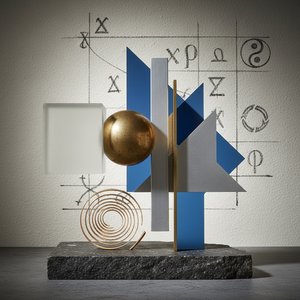
The photograph presented here captures a study in stark simplicity – a black and white composition dominated by circles and triangles arranged against a neutral background. The central element is a large circle, bisected by a smaller circle, creating an immediate visual hierarchy that draws the eye inward. Surrounding this core form are other geometric shapes—rectangles and triangles—that contribute to a dynamic yet balanced arrangement. Notice how these forms appear to float within the frame, lacking any conventional spatial relationships; they exist purely as elements of shape and color, devoid of illusionistic depth. This deliberate flattening of space is characteristic of Suprematism’s rejection of traditional perspective, prioritizing instead the inherent qualities of form itself.
The Language of Pure Form
Malevich's artistic philosophy centered on the belief that art should transcend objective representation and tap directly into the viewer’s emotional experience. He sought to create a “zero degree” of painting—a state where color and form are divorced from any reference to the external world, allowing pure feeling to emerge. "Suprematic Elements" exemplifies this pursuit. The monochromatic palette – shades of gray rendered in black and white photography – amplifies the impact of the shapes themselves. The precise lines defining each geometric element convey a sense of order and control, while subtle variations in tone suggest the artist’s hand—perhaps graphite or charcoal applied to paper. This tactile quality hints at the physicality of the original work, grounding its abstract concepts in a tangible reality.
Symbolism Within Geometry
While seemingly devoid of overt symbolism, “Suprematic Elements” invites contemplation on deeper meanings. The circles, often associated with wholeness, infinity, and the cosmos, could represent Malevich’s aspiration for a universal artistic language. Conversely, the triangles—symbols of dynamism, tension, and even spirituality—suggest an underlying energy within the composition. The interplay between these fundamental shapes creates a visual dialogue that transcends simple geometric arrangement. It's important to remember that Suprematism wasn’t about literal representation; it was about expressing pure feeling through the reduction of art to its most essential elements. The artist aimed to evoke a response in the viewer, prompting them to engage with the work on an emotional and intellectual level.
Historical Context & Legacy
Created during a period of immense social and political upheaval—the aftermath of World War I and the rise of the Bolshevik Revolution—"Suprematic Elements" reflects the radical spirit of its time. Malevich’s artistic explorations aligned with broader cultural shifts, challenging established conventions and seeking to redefine the role of art in society. His work profoundly influenced subsequent movements, including Constructivism and De Stijl, demonstrating the lasting impact of his pioneering approach. Reproductions like this offer a window into a pivotal moment in art history, allowing us to appreciate Malevich’s revolutionary vision and its continuing relevance today. Consider how these fundamental geometric forms resonate within contemporary design—from minimalist architecture to graphic layouts—a testament to the enduring power of Suprematism.
Otázky a odpovědi
V jaké orientaci je dílo „Suprematic elements“ od Kazimír Malevič?
Formát díla „Suprematic elements“ je Portrait. To se hodí při plánování umístění reprodukce.
V jakém roce bylo vytvořeno dílo „Suprematic elements“ od Kazimír Malevič?
Dílo "Suprematic elements" pochází z roku 1917. Toto datum situuje dílo do období tvůrčí činnosti Kazimír Malevič i do jeho dobové kontextu.
Kolik lidí si prohlíží „Suprematic elements"?
Pro dílo „Suprematic elements“ existuje stránka Statistiky. Zobrazuje měsíční počet návštěv tohoto díla i dalších děl daného umělce s rozpadem podle zemí a jazyků.
Související díla


Biografie umělce
Kazimir Malevich: Průkopník abstraktního umění
Raný život a vlivy
- Kazimir Severinovič Malevič se narodil v roce 1878 v Kyjevské oblasti na Ukrajině do polské rodiny, přičemž jeho raná léta byla hluboce formována ukrajinskou venkovskou krajinou a její bohatou lidovou kulturou.
- Jeho výchova v sobě vrostila cit pro tradiční umělecké projevy, které později v jeho díle nenápadně rezonovaly.
- Formální vzdělání začalo v Kyjevě, ale Malevič rychle hledal širší umělecké obzory, zaměřil se na Moskvu a nakonec se napojil na rozkvétající evropská avantgardní hnutí.
- Klíčové vlivy: Rané setkání s lidovým uměním, spojené s touhou po moderním vyjádření, vytvořilo základ jeho jedinečného stylu.
Umělecký vývoj a klíčová hnutí
- V počátcích Malevič prozkumával různé styly, včetně impresionismu, symbolismu, fauvismu a kubismu. Zlomová cesta do Paříže v roce 1912 ho vystavila nejnovějším trendům evropského umění.
- Postupně se vzdal od figurativních forem a hledal čistě umělecký jazyk založený na geometrických tvářích a barvě.
- To vedlo k vytvoření suprematismu kolem roku 1915 – abstraktního hnutí zaměřeného na „supremacii čistého citu“ v umění.
- Suprematismus odmítal jakékoli snahy zobrazovat předměty ze světa viditelného a místo toho upřednostňoval základní geometrické tvary, jako jsou čtverce, kruhy a obdélníky.
Hlavní úspěchy a významná díla
- Černý čtverec (1915): Pravděpodobně jeho nejslavnější dílo, které představuje radikální odklon od tradičního umění a je považováno za zakládní kámen abstraktního malířství.
- Bílé na bílém (1918): Série zkoumající čistotu formy a barvy, která představuje bílé geometrické tvary na bílém pozadí – tím posouvá abstrakci do jejích extrémů.
- Stroyuschiysya dom [Dům ve výstavbě] (1916): Raný příklad suprematismu, který ukazuje jeho unikátní pohled na ukrajinskou kulturu prostřednictím abstraktních forem.
- Rozsáhle také psal o teorii umění, přičemž formuloval filozofické principy stojící za suprematismem a prosazoval nový umělecký vědomí.
Historický význam a odkaz
- Malevičovo dílo hluboce ovlivnilo vývoj abstraktního umění 20. století a mělo vliv na hnutí jako minimalismus a konstruktivismus.
- Zpochybnil konvenční představy o reprezentaci a připravil cestu pro neobjektivní umění.
- Jeho myšlenky o čistém citu a geometrické abstrakci rezonují i u dnešních umělců.
- Navzdory politickému pronásledování za éry Stalina – kdy byl nejprve podporován, ale poté potlačován – Malevič vytrval ve své tvorbě i výuce.
- Vliv na pozdější umělce: přímo ovlivnil umělce jako El Lissitzky a nepřímým dědictvím suprematismu utvaril tváře nespočetným dalším tvůrcům.
Pozdní život a smrt
- V pozdějších letech se Malevič vrátil k figurativnímu malířství a pokoušel se syntetizovat své abstraktní principy s reprezentativními formami.
- O umění продовжуoval vyučovat i psát až do své smrti v Leningradu (dnešní Petrohrad) v roce 1935.
- Jeho dílo zůstalo po jeho smrti po několik desetiletí relativně neznámé, ale v druhé polovině 20. století zažilo renesanci zájmu, která upevnila jeho postavení jako jedné z nejdůležitějších postav moderní historie umění.

Kazimír Malevič
1878 - 1935 , Ukrajina
Rychlé informace
- Artistic Movement Or Style: Suprematismus, Abstrakce
- Artists Or Movements Influenced By This Artist:
- Konstruktivismus
- El Lissitzky
- Artists Who Influenced This Artist:
- Impresionismus
- Fauvizmus
- Date Of Birth: 1878
- Date Of Death: 1935
- Full Name: Kazimir Severinovič Malevich
- Nationality: Ukrajinský/Ruský
- Notable Artworks:
- Černá čtvrť
- Bílá na bílou
- Place Of Birth: Kyjev, Ukrajina
Související články

Wassily Kandinsky: Top 25 mistrovských děl abstrakce pro váš interiér | ArtsDot.com
Prozkoumejte 25 ikonických děl Wassily Kandinského – průkopníka abstraktního umění a expresionismu. Objevte příběhy za barevnými kompozicemi, Bauhaus styl a inspirujte se pro váš interiér s reprodukcemi nejvyšší kvality na ArtsDot.com.

Geometrická abstrakce: 10 mistrovských děl, které změnily umění | ArtsDot.cz
Prozkoumejte 10 ikonických děl geometrické abstrakce od Mondriana, Maleviče a Kandinského. Objevte příběhy umělců, techniky a historii tohoto revolučního hnutí. Najděte inspiraci pro moderní dekorace a luxusní reprodukce obrazů na ArtsDot.com.
Beyond Form: Exploring the Philosophical Foundations of Geometric Abstraction
Explore the philosophical roots & artistic evolution of geometric abstraction with ArtsDot. Discover Mondrian, Malevich, De Stijl & more. Expert insights for collectors and art enthusiasts.

Beyond Form & Color: Geometric Abstraction's Evolution in 20th/21st Century Art
Explore the evolution of geometric abstraction from Cubism to contemporary art. Discover key artists like Malevich & Mondrian, investment insights, and expert collecting advice at ArtsDot.

Kazimir Malevich: Top 25 Děl Suprematismu pro Vaši Inspiraci | ArtsDot.com
Prozkoumejte 25 ikonických děl Kazmira Maleviče a objevte sílu suprematismu. Černé náměstí, bílé na bílém a další abstraktní mistrovská díla. Repliky obrazů nejvyšší kvality pro váš interiér – ArtsDot.com.


