


 Zobrazit v interiéru
 Odeslat
 Sdílet
 Podrobnosti
 Průvodce

 Stáhnout obrázek
 Podobné kousky
 Rentgenové snímky
 Slideshow
 Statistiky
Samovar


 Přečíst si více
Ručně malovaná olejová reprodukce
Ručně malované olejné plátno v libovolném rozměru i s rámem, vyrobené našimi umělci na zakázku. ( Přepnout na tiskové verze Přepnout na digitální verzi obrazu)




P118B $10

P118H $10

P118W $10

P438Z $10

P508JH $12

P508YH $12

P805H $10

P805Z $10

P919BZ $10

P919G $10

P919XJ $10

P959ZH $10

P968JZ $12

W106C $8

W218G $10

W218JH $8

W218Y $10

W307PJ $10

W316G $10

W316PJ $8

W316Y $10

W398PJ $8

W4111J $10

W500HY $15

W500JH $15

W692G $12

W849H $8

W940BG $15

W953PJ $8




Vyberte si z našich přednastavených velikostí, které odpovídají původním proporcím díla.

Můžete zadat vlastní rozměry pro konkrétní rám nebo prostor. Pokud se vámi vybraná velikost neshoduje s proporcemi původního obrazu, dílo buď ořízneme, nebo jej doplníme ručně malovanými prvky. Před zahájením výroby vám bude zaslán digitální náhled ke schválení.
Upozorňujeme, že náhled na obrazovce neodpovídá skutečnému ořezu ani rozšíření. Pouze digitální náhled přesně zobrazí finální kompozici.
Ačkoliv je možné zvolit vlastní velikost, pro zachování původních proporcí doporučujeme vybrat rozměr z předdefinovaného seznamu.
Po přijetí objednávky vám tým ArtsDot.com zašle e-mail s pokyny a poskytne náhledovou verzi.
Celosvětová doprava () za 3–4 týdny namísto standardních 5 týdnů. (25 září). Bez kompromisů v kvalitě.

Zdarma celosvětová expresní doprava

Vysoce kvalitní lněné plátno

Úplné pojištění přepravy

Záruka vrácení celního poplatku

Záruka věrného barevného shodu

100dení lhůta pro vrácení zboží (pouze při vadách výroby)

100% garance vrácení peněz

Sleva při více objednávkách
 Skleněná varianta je dostupná pouze u rozměrů menších než 110 cm

Samovar
Technika provedení
Velikost reprodukce
-


Celková cena
$ 263
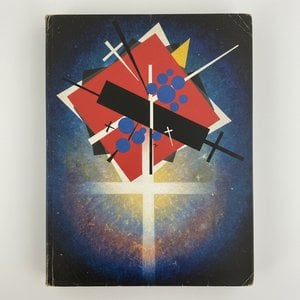
A Glimpse into Suprematist Domesticity: Kazimir Malevich’s *Samovar* (1913)
This captivating painting by Kazimir Malevich, created in 1913, is far more than a depiction of a traditional Russian tea urn – it's a pivotal work bridging his earlier explorations and the full emergence of Suprematism. While seemingly representing a *samovar*, the artwork transcends simple subject matter to become an investigation into form, space, and the very essence of painting itself.Deconstructing the Everyday: Subject & Style
The image presents a fragmented, almost kaleidoscopic view. Rather than a realistic portrayal, Malevich dissects the *samovar* – a symbol of Russian hospitality and domestic life – into geometric components. Circles dominate the composition, layered and intersecting to create depth and movement. The inclusion of two clocks is particularly intriguing; they aren’t merely decorative elements but suggest concepts of time, modernity, and perhaps even the disruption of traditional rhythms within a rapidly changing world. This work exists in the transitional period before Malevich's complete embrace of non-objective art, retaining recognizable forms while simultaneously pushing towards abstraction. It showcases elements of Cubo-Futurism alongside the nascent principles that would define Suprematism.Technique & Materiality
While the specific materials used remain somewhat undocumented, it’s likely Malevich employed oil paints on canvas. The technique is characterized by a dynamic interplay of planes and colors. He doesn't blend or soften edges; instead, shapes are sharply defined, creating a sense of visual energy and tension. This deliberate approach emphasizes the flatness of the picture plane – a key tenet of Suprematism – rejecting illusionistic depth in favor of pure artistic form.Historical Context: The Dawn of Abstraction
1913 was a crucial year for Malevich. Having recently returned from Paris, he absorbed influences from French avant-garde movements like Cubism and Fauvism but quickly began to forge his own path. Russia at this time was a hotbed of artistic experimentation, with artists seeking new ways to express the dynamism of modern life. *Samovar* represents a critical step in Malevich’s journey toward Suprematism – an art movement he would officially launch in 1915 with his iconic *Black Square*. This painting demonstrates his move away from representing objects and towards expressing pure feeling through geometric abstraction.Symbolism & Interpretation
The *samovar* itself carries symbolic weight. It represents tradition, community, and the warmth of home. By deconstructing this familiar object, Malevich challenges conventional notions of representation and invites viewers to contemplate the underlying forms that constitute reality. The clocks could symbolize modernity’s relentless march forward or a commentary on humanity's attempt to control time. Ultimately, *Samovar* isn’t about what it depicts but how it is depicted, prioritizing artistic sensation over narrative content.Emotional Impact & Legacy
Despite its abstract nature, *Samovar* evokes a sense of vibrant energy and intellectual curiosity. The dynamic composition and bold colors create a visually stimulating experience. The painting’s enduring appeal lies in its ability to simultaneously ground us in the familiar (the suggestion of a domestic object) while propelling us into the realm of pure abstraction. It serves as a powerful reminder of Malevich's revolutionary contribution to 20th-century art and continues to inspire artists and designers today. Its influence can be seen in countless works of abstract art, graphic design, and architecture.Collecting & Reproduction
- Original Location: The State Russian Museum, Saint Petersburg is one location where this artwork resides.
- Reproduction Quality: High-quality reproductions capture the vibrancy of color and geometric precision essential to appreciating Malevich’s vision. Consider giclée prints on archival paper for lasting quality.
- Interior Design Applications: *Samovar*’s bold composition and abstract form make it a striking focal point in modern interiors, complementing minimalist or contemporary spaces. Its dynamic energy can add visual interest to living rooms, offices, or creative studios.
Související díla


Biografie umělce
Kazimir Malevich: Průkopník abstraktního umění
Raný život a vlivy
- Kazimir Severinovič Malevič se narodil v roce 1878 v Kyjevské oblasti na Ukrajině do polské rodiny, přičemž jeho raná léta byla hluboce formována ukrajinskou venkovskou krajinou a její bohatou lidovou kulturou.
- Jeho výchova v sobě vrostila cit pro tradiční umělecké projevy, které později v jeho díle nenápadně rezonovaly.
- Formální vzdělání začalo v Kyjevě, ale Malevič rychle hledal širší umělecké obzory, zaměřil se na Moskvu a nakonec se napojil na rozkvétající evropská avantgardní hnutí.
- Klíčové vlivy: Rané setkání s lidovým uměním, spojené s touhou po moderním vyjádření, vytvořilo základ jeho jedinečného stylu.
Umělecký vývoj a klíčová hnutí
- V počátcích Malevič prozkumával různé styly, včetně impresionismu, symbolismu, fauvismu a kubismu. Zlomová cesta do Paříže v roce 1912 ho vystavila nejnovějším trendům evropského umění.
- Postupně se vzdal od figurativních forem a hledal čistě umělecký jazyk založený na geometrických tvářích a barvě.
- To vedlo k vytvoření suprematismu kolem roku 1915 – abstraktního hnutí zaměřeného na „supremacii čistého citu“ v umění.
- Suprematismus odmítal jakékoli snahy zobrazovat předměty ze světa viditelného a místo toho upřednostňoval základní geometrické tvary, jako jsou čtverce, kruhy a obdélníky.
Hlavní úspěchy a významná díla
- Černý čtverec (1915): Pravděpodobně jeho nejslavnější dílo, které představuje radikální odklon od tradičního umění a je považováno za zakládní kámen abstraktního malířství.
- Bílé na bílém (1918): Série zkoumající čistotu formy a barvy, která představuje bílé geometrické tvary na bílém pozadí – tím posouvá abstrakci do jejích extrémů.
- Stroyuschiysya dom [Dům ve výstavbě] (1916): Raný příklad suprematismu, který ukazuje jeho unikátní pohled na ukrajinskou kulturu prostřednictím abstraktních forem.
- Rozsáhle také psal o teorii umění, přičemž formuloval filozofické principy stojící za suprematismem a prosazoval nový umělecký vědomí.
Historický význam a odkaz
- Malevičovo dílo hluboce ovlivnilo vývoj abstraktního umění 20. století a mělo vliv na hnutí jako minimalismus a konstruktivismus.
- Zpochybnil konvenční představy o reprezentaci a připravil cestu pro neobjektivní umění.
- Jeho myšlenky o čistém citu a geometrické abstrakci rezonují i u dnešních umělců.
- Navzdory politickému pronásledování za éry Stalina – kdy byl nejprve podporován, ale poté potlačován – Malevič vytrval ve své tvorbě i výuce.
- Vliv na pozdější umělce: přímo ovlivnil umělce jako El Lissitzky a nepřímým dědictvím suprematismu utvaril tváře nespočetným dalším tvůrcům.
Pozdní život a smrt
- V pozdějších letech se Malevič vrátil k figurativnímu malířství a pokoušel se syntetizovat své abstraktní principy s reprezentativními formami.
- O umění продовжуoval vyučovat i psát až do své smrti v Leningradu (dnešní Petrohrad) v roce 1935.
- Jeho dílo zůstalo po jeho smrti po několik desetiletí relativně neznámé, ale v druhé polovině 20. století zažilo renesanci zájmu, která upevnila jeho postavení jako jedné z nejdůležitějších postav moderní historie umění.

Kazimír Malevič
1878 - 1935 , Ukrajina
Rychlé informace
- Artistic Movement Or Style: Suprematismus, Abstrakce
- Artists Or Movements Influenced By This Artist:
- Konstruktivismus
- El Lissitzky
- Artists Who Influenced This Artist:
- Impresionismus
- Fauvizmus
- Date Of Birth: 1878
- Date Of Death: 1935
- Full Name: Kazimir Severinovič Malevich
- Nationality: Ukrajinský/Ruský
- Notable Artworks:
- Černá čtvrť
- Bílá na bílou
- Place Of Birth: Kyjev, Ukrajina
Související články

Kazimir Malevich: Pioneering Suprematism & the Quest for Non-Objective Art
Explore the revolutionary art of Kazimir Malevich & his groundbreaking Suprematism movement. Discover the origins, core principles, and lasting impact of this pivotal force in modern abstract painting.

Geometrická abstrakce: 10 mistrovských děl, které změnily umění | ArtsDot.cz
Prozkoumejte 10 ikonických děl geometrické abstrakce od Mondriana, Maleviče a Kandinského. Objevte příběhy umělců, techniky a historii tohoto revolučního hnutí. Najděte inspiraci pro moderní dekorace a luxusní reprodukce obrazů na ArtsDot.com.

Beyond Form & Color: Geometric Abstraction's Evolution in 20th/21st Century Art
Explore the evolution of geometric abstraction from Cubism to contemporary art. Discover key artists like Malevich & Mondrian, investment insights, and expert collecting advice at ArtsDot.
Beyond Representation: Exploring the Radical Geometry of Suprematism & Its Spiritual Foundations
Explore the revolutionary world of Suprematism with our expert guide. Discover Kazimir Malevich's groundbreaking art, its spiritual foundations & lasting influence on modern design. Learn about collecting this iconic movement.

Kazimir Malevich: Top 25 Děl Suprematismu pro Vaši Inspiraci | ArtsDot.com
Prozkoumejte 25 ikonických děl Kazmira Maleviče a objevte sílu suprematismu. Černé náměstí, bílé na bílém a další abstraktní mistrovská díla. Repliky obrazů nejvyšší kvality pro váš interiér – ArtsDot.com.


