
- Domů

- Tisk na plátno
- Kazimír Malevič
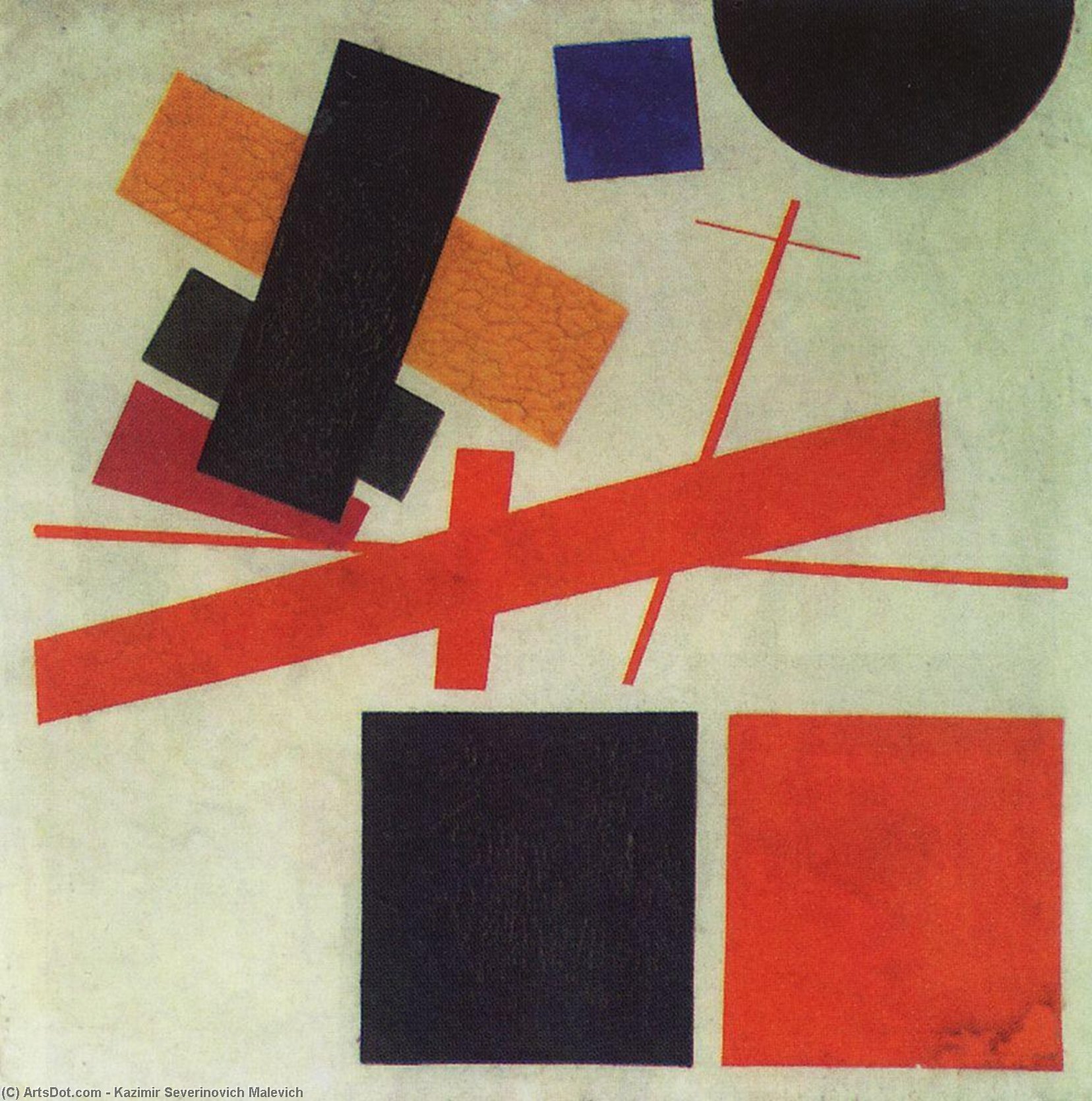
- Suprematism (12) – Suprematismus (12)
 Objednat reprodukci Koupit digitální obrázek
 Sdílet
 Sdílet
 Details
 Přidat do oblíbených

 Stáhnout
 Podobné položky
 X-Ray
X-Ray
 Slideshow
Suprematism (12) – Suprematismus (12)


Giclée / Umělecký tisk
Giclée nebo plátěný tisk muzeální kvality s rychlou výrobou a flexibilními možnostmi povrchové úpravy.
 Více informací



P118B $10

P118H $10

P118W $10

P438Z $10

P508JH $12

P508YH $12

P805H $10

P805Z $10

P919BZ $10

P919G $10

P919XJ $10

P959ZH $10

P968JZ $12

W106C $8

W218G $10

W218JH $8

W218Y $10

W307PJ $10

W316G $10

W316PJ $8

W316Y $10

W398PJ $8

W4111J $10

W500HY $15

W500JH $15

W692G $12

W849H $8

W940BG $15

W953PJ $8




Vyberte si z našich přednastavených velikostí, které odpovídají původním proporcím díla.

Můžete zadat vlastní rozměry tak, aby výtvor odpovídal konkrétnímu rámu nebo prostoru. Pokud zvolená velikost nebude odpovídat poměru stran původního obrazu, dílo buď ořížeme, nebo obraz rozšíříme pomocí zrcadlového efektu či jednobarevného okraje. Před zahájením výroby vám bude zaslán digitální náhled k schválení.
Mějte prosím na paměti, že náhled na obrazovce neodráží skutečné oříznutí nebo rozšíření. Pouze digitální náhled přesně zobrazí finální kompozici.
Ačkoliv jsou k dispozici i vlastní rozměry, pro zachování původních proporcí doporučujeme vybrat si rozměr z předdefinovaného seznamu.
Celosvětové doručení () do 2 týdnů namísto standardních 4/5 týdnů. (1 červenec)

Zdarma celosvětová expresní doprava

Vysoce kvalitní lněné plátno

Kompletní přepravní pojištění

Záruka vrácení celního poplatku

Záruka přesného barevného shodu

60denní lhůta pro vrácení zboží (pouze při vadách výroby)

100% garance vrácení peněz

Sleva při hromadné objednávce
 Skleněná varianta je dostupná pouze u rozměrů menších než 110 cm

Suprematism (12) – Suprematismus (12)
Giclée / Umělecký tisk
Rozměry reprodukce
-


Celková cena za výběr
-
Popis sběratelského kousku
Suprematism (12): A Declaration of Pure Feeling
Kazimir Malevich’s Suprematism (12), painted in 1915, is not merely an artwork; it’s a declaration. A bold statement severing ties with the representational traditions that had defined Western art for centuries. The painting presents a strikingly simple composition: a vibrant red triangle dominates the canvas, anchored by a black square positioned above it. Smaller triangles subtly recede into the background, accompanied by a delicate circle in the upper right corner. This isn’t an attempt to depict reality, but rather to evoke pure feeling – a sensation of dynamic energy and spiritual liberation through form and color alone. The limited palette—primarily red and black, punctuated with hints of orange and blue—heightens the emotional intensity, creating a visual experience that is both austere and profoundly moving.
A Turning Point in Art History
To understand Suprematism (12), one must consider its historical context. Malevich was at the forefront of the Russian avant-garde, a period of intense artistic experimentation fueled by utopian ideals and a desire to break free from the constraints of the past. He had already journeyed through Impressionism, Symbolism, Fauvism, and Cubism, absorbing their lessons before ultimately rejecting them all as insufficient. The culmination of this exploration was Suprematism, an art form that sought to express “pure artistic feeling” – a spirituality unbound by the visible world. This painting emerged from his groundbreaking exhibition ‘0.10’ in St. Petersburg, where he unveiled works like Black Square, effectively declaring the end of representational painting and ushering in a new era of abstract art. It was a revolutionary moment, challenging fundamental assumptions about the purpose and nature of artistic expression.
Decoding the Language of Form
The geometric shapes within Suprematism (12) are not arbitrary; they represent Malevich’s attempt to distill painting down to its most essential elements. The triangle, often interpreted as a symbol of dynamism and ascension, is counterbalanced by the grounding weight of the black square – a form that would become iconic in his oeuvre. The placement of these shapes on a white ground isn’t accidental either; it creates a sense of infinite space, suggesting a realm beyond the material world. Malevich believed that through this reduction to pure form and color, art could transcend its earthly limitations and connect with a higher spiritual reality. He wasn’t interested in *what* he painted, but *how* he painted—the very act of applying paint to canvas became a conduit for expressing universal truths.
A Legacy of Abstraction
The impact of Suprematism (12) and Malevich's broader artistic vision extends far beyond the early 20th century. His ideas profoundly influenced subsequent generations of artists, including those associated with De Stijl and Minimalism. Today, his work continues to inspire designers and architects seeking to create spaces that are both visually striking and emotionally resonant. A reproduction of this painting isn’t simply a decorative element; it's an invitation to contemplate the fundamental principles of art and the power of abstraction. It is a piece that encourages viewers to look beyond representation and engage with the raw, emotive force of form and color—a testament to Malevich’s enduring legacy as a pioneer of modern art.
- Artist: Kazimir Severinovich Malevich (1879-1935)
- Born City: Kyiv Oblast
- Birth Country: Ukraine
- Biography: Early life and influences included exposure to folk art and a desire for modern expression. He explored Impressionism, Symbolism, Fauvism, Cubism before rejecting them all as insufficient. Suprematism sought to express “pure artistic feeling” unbound by the visible world.
The painting’s bold simplicity—a red triangle dominating black square—challenged conventional art traditions and championed pure emotion.
Podobná umělecká díla


Biografie umělce
Kazimir Malevich: A Pioneer of Abstract Art
Kazimir Severinovich Malevich (1878-1935) stands as a monumental figure in the history of art, recognized globally for his groundbreaking contribution to Suprematism – an artistic movement that fundamentally reshaped perceptions of visual expression. Born in Kyiv Oblast, Ukraine, Malevich’s formative years were steeped in Ukrainian folklore and rural traditions, subtly informing his later artistic vision. His early training focused on traditional styles like Impressionism and Symbolism before he embarked on a transformative journey to Paris in 1912, where he encountered the vibrant dynamism of European avant-garde movements. This pivotal encounter propelled him toward abstraction, driven by an unwavering belief that art should transcend representational illusion and tap into pure feeling—a conviction that would become the cornerstone of Suprematism. Around 1915, Malevich established this revolutionary movement, rejecting any depiction of external reality in favor of geometric forms like squares, circles, and rectangles arranged on a canvas with uncompromising simplicity. His most iconic work, *Black Square* (1915), embodies this radical aesthetic, symbolizing an audacious rejection of convention and marking a decisive break from artistic heritage. Alongside *Black Square*, *White on White* (1918) – a series exploring the purity of form against a white background – cemented Malevich’s reputation as a visionary artist who dared to challenge established norms. Malevich's artistic trajectory wasn’t solely defined by Suprematism; he initially experimented with Cubism and Fauvism, absorbing influences from artists like Picasso and Matisse. However, it was his unwavering dedication to geometric abstraction that secured his legacy. He penned influential treatises on art theory, articulating the philosophical underpinnings of Suprematism and advocating for a new artistic consciousness—a testament to his intellectual engagement alongside his creative prowess. Despite facing political persecution during Stalin’s regime – initially receiving governmental support before experiencing suppression – Malevich persevered in his artistic pursuits and continued to impart knowledge as an educator until his untimely death in Leningrad (now St. Petersburg) in 1935. His oeuvre remained largely unrecognized for decades following his demise, yet it experienced a significant revival in the latter half of the twentieth century, establishing Malevich’s enduring position among the titans of modern art history. He profoundly impacted subsequent artists like El Lissitzky and indirectly influenced countless others through the indelible mark of Suprematism—a movement that continues to inspire contemplation on the essence of artistic expression.
Kazimír Malevič
1878 - 1935 , Ukrajina
Rychlé fakta
- Artistic Movement Or Style: Suprematismus, Abstrakce
- Artists Or Movements Influenced By This Artist:
- Konstruktivismus
- El Lissitzky
- Artists Who Influenced This Artist:
- Impresionismus
- Fauvizmus
- Date Of Birth: 1878
- Date Of Death: 1935
- Full Name: Kazimir Severinovič Malevich
- Nationality: Ukrajinský/Ruský
- Notable Artworks:
- Černá čtvrť
- Bílá na bílou
- Place Of Birth: Kyjev, Ukrajina
Související články

Mikhail Larionov: Rayonism, Primitivism & the Dawn of Russian Avant-Garde Painting
Explore the revolutionary art of Mikhail Larionov & the Russian Avant-Garde. Discover Rayonism, Primitivism's influence, and his lasting impact on modern painting. Expert insights for collectors.


Kuzma Petrov-Vodkin: A Pioneer of Russian Spiritual Symbolism & the Avant-Garde
Explore the captivating world of Kuzma Petrov-Vodkin, a pivotal figure in Russian avant-garde and spiritual symbolism. Discover his iconic works, unique style & lasting influence on 20th-century art.

David Burliuk: A Pioneer of Russian Avant-Garde & His Enduring Legacy
Explore the revolutionary art of David Burliuk, a key figure in Russian Avant-Garde & Cubo-Futurism. Discover his impact on painting, poetry, and design with ArtsDot.

Kazimir Malevich: Top 25 Děl Suprematismu pro Vaši Inspiraci | ArtsDot.com
Prozkoumejte 25 ikonických děl Kazmira Maleviče a objevte sílu suprematismu. Černé náměstí, bílé na bílém a další abstraktní mistrovská díla. Repliky obrazů nejvyšší kvality pro váš interiér – ArtsDot.com.

Kazimir Malevich: Pioneering Suprematism & the Quest for Non-Objective Art
Explore the revolutionary art of Kazimir Malevich & his groundbreaking Suprematism movement. Discover the origins, core principles, and lasting impact of this pivotal force in modern abstract painting.



