
 Náhled v interiéru
 Sdílet
 Sdílet
 Podrobnosti o díle
 Průvodce

 Stáhnout
 Podobné položky
 Rentgenové snímky
 Slideshow
 Otázky a odpovědi
 Statistiky
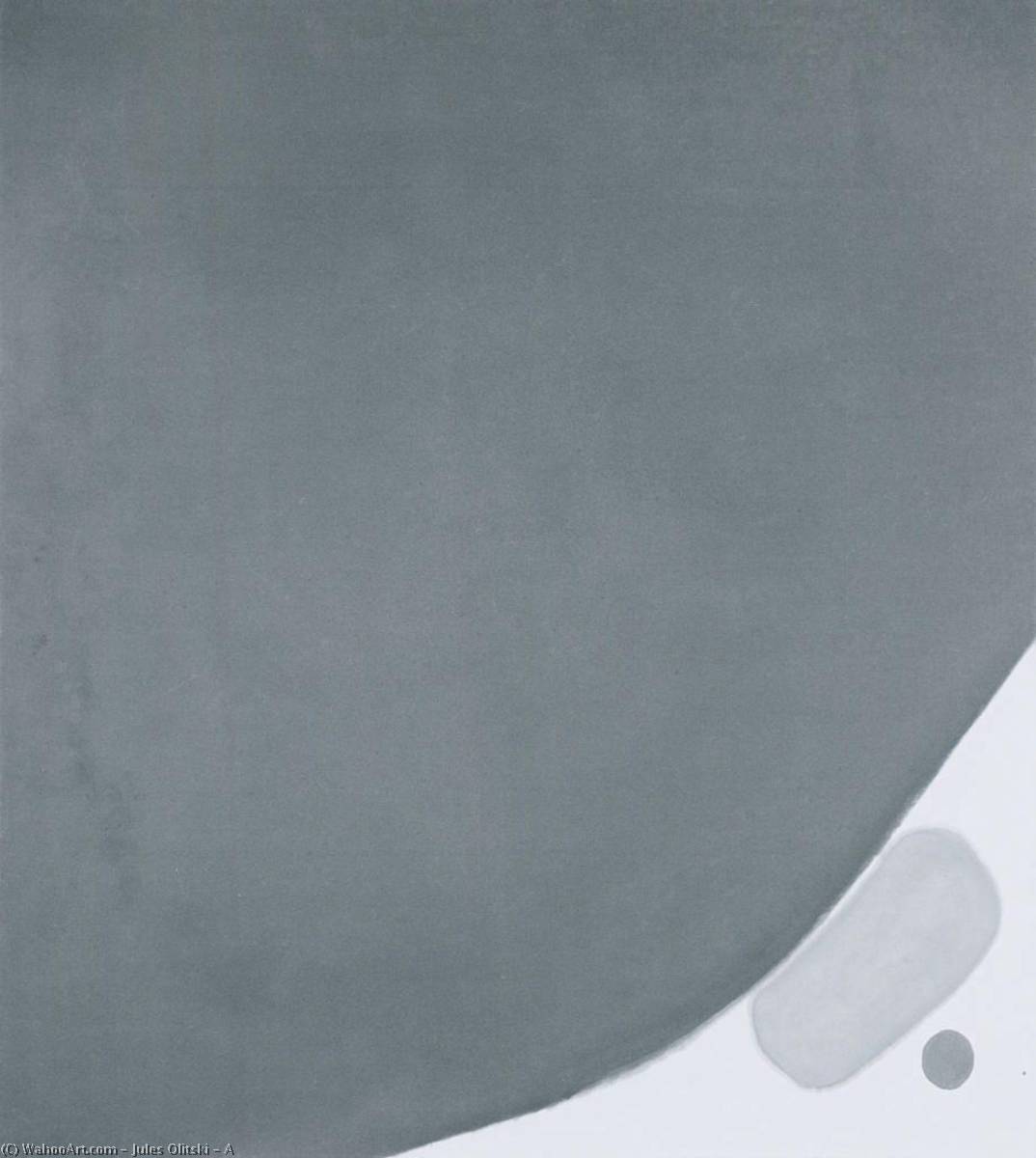
A

- 229.0 x 204.0 cm

 Zobrazit více
Umělecké dílo zobrazené na této stránce je chráněno autorským zákonem, což znamená, že nemůžeme legálně vytvářet ani prodávat jeho identickou reprodukci. Tato ochrana je vymáhána na základě mezinárodních dohod, jako například Berberská úmluva a národními zákony, včetně těch stanovených v Americký autorský zákon – Díl 17. Všechna práva vyhrazena.
Tato metoda je plně v souladu s autorským právem, protože nezahrnuje kopírování ani duplikování chráněného díla. Jde o kreativní reinterpretaci – nový obraz, který je inspirován originálem, ale není s ním identický.
Giclée / Umělecký tisk
Giclée nebo plátěný tisk muzeální kvality s rychlou výrobou a širokou nabídkou povrchových úprav. ( Koupit ručně malovaný obraz Přepnout na digitální obraz)




































Vyberte si z našich přednastavených velikostí, které odpovídají původním proporcím díla.

Zadejte šířku a výšku, které potřebujete pro váš rám nebo stěnu. Tisk lze pouze oříznout, nikdy však nelze zvětšit obraz nad jeho původní rozměr, proto při výběru jiného formátu dochází ke ztrátě části obrazu. Před samotným tiskem vám zašleme digitální náhled k schválení. Obraz zobrazený na této stránce nenabízí skutečný výřez — ten uvidíte pouze v náhledu.
Celosvětové doručení () do 2 týdnů namísto standardních 4/5 týdnů. (7 listopad)

Zdarma celosvětová expresní doprava

Vysoce kvalitní lněné plátno

Kompletní pojištění přepravy

Záruka vrácení celního poplatku

Záruka věrného barevného souladu

100dení lhůta pro vrácení zboží (pouze při vadách výroby)

100% záruka vrácení peněz

Sleva při více objednávkách
 Skleněná varianta je dostupná pouze u rozměrů menších než 110 cm

A
Giclée / Umělecký tisk
Rozměry reprodukce
-


Celková cena za vybrané možnosti reprodukcí
Kč 1371
Podobná díla


Biografie umělce
The Luminous Legacy of Jules Olitski
The story of Jules Olitski is one of profound transformation, a journey that began in the turbulent shadows of Soviet Ukraine and culminated in the radiant, weightless expanses of American abstraction. Born Jevel Demikovsky in 1922 within the Snizhne region, his early life was marked by the heavy hand of political upheaval. The execution of his father during the era of Stalinist repression left an indelible mark on the young artist, instilling a resilience that would later define his creative spirit. Emigrating to the United States as a child with his mother and grandmother, Olitski found a new home in Brooklyn, where the vibrant, pulsing energy of postwar New York City began to shape his burgeoning artistic sensibilities.
His path toward mastery was paved through rigorous academic pursuit and an insatiable curiosity for the mechanics of light and shadow. After studying at the Pratt Institute and the National Academy of Design, the G.I. Bill provided him with a transformative opportunity to study in Paris during the late 1940s. It was in the studios of Europe—specifically at the Ossip Zadkine School and the Académie de la Grande Chaumiére—that Olitski began a deliberate process of artistic stripping. He sought to shed the heavy, gestural habits of traditional painting, looking instead toward the psychological depth found in the tonal subtleties of Rembrandt. This period of self-assessment was crucial; he was not merely learning new techniques but was actively deconstructing his own perception to find a more pure form of expression.
A Revolution of Color and Atmosphere
Olitski’s true artistic breakthrough arrived in 1951 with his debut at Galerie huit in Paris, marking the beginning of a trajectory that would redefine the boundaries of the canvas. While many of his contemporaries were immersed in the frantic, muscular energy of Abstract Expressionism, Olitski moved in a different direction. He began to reject chromatic excess in favor of monochromatic explorations and expansive, atmospheric voids. His work became a meditation on the essence of color itself, rather than a vehicle for narrative or figure.
To achieve this, he pioneered a revolutionary technique that bridged the gap between painting and atmosphere. By utilizing spray guns to apply thin, delicate layers of acrylic paint, he was able to create surfaces that appeared almost weightless, as if the color were not sitting upon the canvas but emanating from within it. This method allowed for:
- Atmospheric Luminosity: The creation of surfaces that seem to glow with an internal light, capturing fleeting moments of brilliance.
- Textural Innovation: A departure from heavy impasto toward a smooth, ethereal texture that invites the viewer into a state of contemplation.
- Chromatic Vibration: The ability to layer colors so finely that they appear to vibrate against the retina, creating a sense of depth without physical mass.
Works such as Kristina Type 3 exemplify this mastery, where sun-drenched yellows and stark whites interact to create a window into a pure dimension of light. In these canvases, Olitski achieved what many thought impossible: the depiction of the intangible.
Historical Significance and the Color Field Movement
As a central figure in the development of Color Field painting and Lyrical Abstraction, Olitski’s influence on 20th-century art cannot be overstated. He helped shift the focus of the art world from the "action" of the painter to the "experience" of the viewer. His canvases do not demand to be read like a story; they demand to be felt as environments. By removing the trace of the brushstroke, he removed the ego of the artist, leaving only the pure, unadulterated presence of color.
His legacy is found in the way modern abstraction approaches the concept of space and perception. Through his innovative use of spray paint and his commitment to exploring the limits of monochromatic depth, Olitski transformed the canvas from a flat surface into a profound, immersive landscape. He remains a titan of mid-century abstraction, an artist who took the trauma of his early life and transmuted it into a legacy of light, air, and infinite color.

Jules Olitski
1922 - 2007 , Ukraine
Rychlé informace o umělci
- Full Name: Jevel Demikovsky Olitski
- Nationality: American
- Date Of Birth: 1922
- Date Of Death: 2007
- Place Of Birth: Snizhne, Ukraine
- Notable Artworks:
- Green Spread
- Pink Alert
- Mother of Night 2
- Artistic Movement Or Style: Color Field Painting & Lyrical Abstraction
- Artists Who Influenced This Artist: ['Rembrandt']
- Artists Or Movements Influenced By This Artist: ['European Modern Masters']