


 Zobrazit v interiéru
 Odeslat
 Sdílet
 Podrobnosti
 Průvodce

 Stáhnout obrázek
 Podobné kousky
 Rentgenové snímky
 Slideshow
 Statistiky
Erwinna
 1957
1957 50.0 x 61.0 cm
 Přečíst si více
Umělecké dílo zobrazené na této stránce je chráněno autorským zákonem, což znamená, že nemůžeme legálně vytvářet ani prodávat jeho identickou reprodukci. Tato ochrana je vymáhána na základě mezinárodních dohod, jako například Berberská úmluva a národními zákony, včetně těch stanovených v Americký autorský zákon – Díl 17. Všechna práva vyhrazena.
Jako etickou a právní alternativu nabízíme vlastní, ručně malovaná umělecká díla inspirovaná originálem. Naši zdatní a profesionální umělci si pečlivě studují styl, náladu a uměleckou podstatu originálu, aby vytvořili nové, jedinečné dílo, které vyvolává stejný pocit – přičemž zůstává samostatným originálním tvůrčím dílem.
Tato metoda je plně v souladu s autorským právem, protože nezahrnuje kopírování ani duplikování chráněného díla. Jde o kreativní reinterpretaci – nový obraz, který je inspirován originálem, ale není s ním identický.
Ručně malovaná olejová reprodukce
Ručně malované olejné plátno v libovolném rozměru i s rámem, vyrobené našimi umělci na zakázku. ( Přepnout na tiskové verze Přepnout na digitální verzi obrazu)




































Vyberte si z našich přednastavených velikostí, které odpovídají původním proporcím díla.

Zadejte šířku a výšku, které potřebujete pro váš rám nebo stěnu. Protože se jedná o ruční malbu, při výběru jiného formátu může umělec kolem obrazu domalovat o něco více, nebo jej mírně oříznout — rozhodnete si vy. Před zahájením malby vám zašleme digitální náhled ke schválení. Obraz zobrazený na této stránce neodpovídá skutečnému výsledku — pouze digitální náhled jej zobrazuje.
Po přijetí objednávky vám tým ArtsDot.com zašle e-mail s pokyny a poskytne náhledovou verzi.
Celosvětová doprava () za 3–4 týdny namísto standardních 5 týdnů. (22 říjen). Bez kompromisů v kvalitě.

Zdarma celosvětová expresní doprava

Vysoce kvalitní lněné plátno

Úplné pojištění přepravy

Záruka vrácení celního poplatku

Záruka věrného barevného shodu

100dení lhůta pro vrácení zboží (pouze při vadách výroby)

100% garance vrácení peněz

Sleva při více objednávkách
 Skleněná varianta je dostupná pouze u rozměrů menších než 110 cm

Erwinna
Technika provedení
Velikost reprodukce
-


Celková cena
Kč 5589
Artistic Inspiration and Style
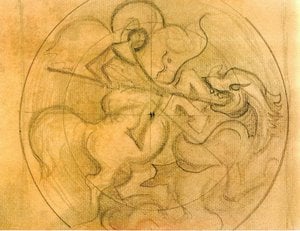
Glasco's artistic journey was influenced by prominent figures such as Alfonso Ossorio, Jackson Pollock, and Lee Krasner. His work also reflects the impact of Jean Dubuffet and Hans Hofmann. The Erwinna painting, in particular, showcases Glasco's ability to deconstruct the figure and develop non-objective paintings that build upon the abstraction of the 1950s. Key Features of the Painting The Erwinna painting is characterized by its vibrant colors, intricate textures, and complex composition. The use of oil on linen creates a sense of depth and dimensionality, drawing the viewer into the world of the artwork. The painting's abstract nature invites interpretation, making it a thought-provoking piece that continues to fascinate art enthusiasts.- The Smithsonian Museum of American Art has an impressive collection of Glasco's works, including the Erwinna painting.
- Glasco's artistic style is also reflected in his other notable works, such as Big Sitting Cat and Reclining Figure, which can be found at the Museum of Modern Art New York and the Metropolitan Museum of Art, respectively.
- For more information on Joseph Glasco and his artwork, visit ArtsDot.com or Wikipedia.
The Erwinna painting is a remarkable example of Joseph Glasco's innovative style and artistic vision. As a masterpiece of abstract expressionism, it continues to inspire and captivate art enthusiasts around the world.
Otázky a odpovědi
Jakou převládající barvu má dílo „Erwinna“ od Joseph Glasco?
Hlavní barvou díla „Erwinna“ od Joseph Glasco je Putty (#d5bfaa).
Jaké barvy dominují dílu „Erwinna“ od Joseph Glasco?
„Erwinna“ je definováno paletou Dark, které dominuje Putty (#d5bfaa).
Jak je utkaná barevná kompozice díla „Erwinna“ od Joseph Glasco?
Barevná analýza díla „Erwinna“ od Joseph Glasco zachycuje Gentle kontrast a Strong Color Unity harmonii.
Související díla


Biografie umělce
Joseph Glasco: Pioneer of Textured Abstraction
Joseph Glasco (1925 – 1996) stands as a singular figure in American Abstract Expressionism, an artist whose distinctive approach to painting—characterized by layered textures and monumental scale—earned him recognition within the vanguard of postwar art. Born in Pauls Valley, Oklahoma, Glasco’s formative years were spent amidst the sprawling landscapes of Texas, shaping his artistic sensibility from an early age. His family comprised Lowell and Pauline Glasco, alongside three brothers and two sisters, fostering a rich familial environment that nurtured his creative pursuits. He pursued higher education at the University of Texas at Austin before enlisting in the United States Army during World War II, serving bravely in the Battle of the Bulge—a testament to his commitment to duty and resilience. Following the war, Glasco embarked on an artistic journey fueled by intellectual curiosity and exploration. He enrolled at Portsmouth Art School in Bristol, England, immersing himself in European artistic traditions and honing his technical skills. Simultaneously, he studied at the École Supérieure des Beaux-Arts in San Miguel de Allende, Mexico, absorbing influences from Mexican muralism and engaging with diverse cultural perspectives. Further refining his craft at the Art Students League of New York solidified his position within the burgeoning New York art scene of the 1950s and 60s. Glasco’s artistic vision was profoundly impacted by collaborations with luminaries like Jackson Pollock and Alfonso Ossorio, as well as by the groundbreaking theories of Hans Hofmann—a teacher who championed spontaneous gesture and color exploration. Hofmann's emphasis on “psychological abstraction” resonated deeply with Glasco, guiding him toward a style that prioritized emotional expression over representational accuracy. Glasco’s canvases became monumental explorations of texture and pigment, often incorporating burlap or other materials to create palpable surfaces that conveyed depth and dynamism. He drew inspiration from the work of Jean Dubuffet, whose “primitive art” championed unfiltered emotion and challenged conventional artistic standards—a conviction that permeated Glasco's oeuvre. Glasco’s prolific output spanned decades, producing canvases ranging in size from modest portraits to colossal works measuring over eight feet wide. His paintings are housed in prestigious institutions worldwide, including the Metropolitan Museum of Art, MoMA, Guggenheim Museum, Whitney Museum of American Art, Hirshhorn Museum and Smithsonian American Art Museum—a testament to his enduring legacy as a master of abstract expressionism. Beyond his artistic achievements, Glasco established the Joseph Glasco Charitable Foundation, demonstrating his dedication to supporting artistic endeavors and fostering creativity within younger generations. Notably, he had a significant relationship with William Goyen, documented in Clark Davis’ biography “It Starts With Trouble,” offering insight into his personal life alongside his professional accomplishments. He retired to Galveston, Texas in 1972, maintaining a studio on the Strand near the Strand Emporium and retreating from public life—leaving behind an indelible mark on the art world. Glasco passed away peacefully in Galveston on May 31, 1996.
Joseph Glasco
1925 - 1996
Rychlé informace
- Artistic Movement Or Style: Abstract Expressionism
- Artists Or Movements Influenced By This Artist: ['Dubuffet']
- Artists Who Influenced This Artist:
- Jackson Pollock
- Jean Dubuffet
- Hans Hofmann
- Date Of Birth: 1925
- Date Of Death: 1996
- Full Name: Joseph Glasco
- Nationality: American
- Notable Artworks:
- Standing Man
- Erwinna
- Head
- Place Of Birth: Paulsville, Oklahoma