


 Náhled v interiéru
 Sdílet
 Sdílet
 Podrobnosti o díle
 Průvodce

 Stáhnout
 Podobné položky
 Rentgenové snímky
 Slideshow
 Statistiky
Rock Warbler

 Zobrazit více
Ručně malovaná olejová reprodukce
Rukou malované olejné plátno v libovolném rozměru i s rámem, vyrobené našimi umělci na zakázku. ( Přepnout na tisk Přepnout na digitální obraz)




































Vyberte si z našich přednastavených velikostí, které odpovídají původním proporcím díla.

Zadejte šířku a výšku, které potřebujete pro váš rám nebo stěnu. Protože se jedná o ruční malbu, při výběru jiného formátu může umělec kolem obrazu domalovat o něco více, nebo jej mírně oříznout — rozhodnete si vy. Před zahájením malby vám zašleme digitální náhled ke schválení. Obraz zobrazený na této stránce neodpovídá skutečnému výsledku — pouze digitální náhled jej zobrazuje.
Po přijetí objednávky vám tým ArtsDot.com zašle e-mail s pokyny a poskytne náhledovou verzi.
Celosvětová doprava () za 3–4 týdny namísto standardních 5 týdnů. (27 říjen). Bez kompromisů v kvalitě.

Zdarma celosvětová expresní doprava

Vysoce kvalitní lněné plátno

Kompletní pojištění přepravy

Záruka vrácení celního poplatku

Záruka věrného barevného souladu

100dení lhůta pro vrácení zboží (pouze při vadách výroby)

100% záruka vrácení peněz

Sleva při více objednávkách
 Skleněná varianta je dostupná pouze u rozměrů menších než 110 cm

Rock Warbler
Technika reprodukce
Rozměry reprodukce
-


Celková cena za vybrané možnosti reprodukcí
Kč 5641
Podobná díla


Biografie umělce
A Pioneer of the Australian Wild
Born into a lineage of scientific artistry in the United Kingdom, John William Lewin arrived on the shores of New South Wales in 1800, forever altering the visual record of a burgeoning colony. As the son of the renowned naturalist and illustrator William Lewin, his very foundation was built upon the meticulous observation of the natural world. While he originally intended to travel to Australia to document entomological life for a British patron, his arrival marked the beginning of a profound transformation in his art. He transitioned from the conventional natural history illustrations practiced in England to creating deeply authentic images that captured the unique essence of the Australian landscape.
Lewin’s journey was one of both scientific rigor and artistic evolution. Settling initially near Parramatta, he utilized every opportunity to venture into the untamed wilderness, accompanying expeditions to the Bass Strait, the Hunter River, and even the rugged terrain beyond the Blue Mountains. His work was not merely a collection of specimens but an attempt to grasp the very atmosphere of the bush. He possessed a rare ability to observe the translucent foliage of the eucalyptus and the delicate, feathery grasses of the interior, rendering them with a sense of light and life that avoided the stifling conventions of European art.
The Art of Observation and Legacy
The breadth of Lewin's repertoire extended far beyond the wings of birds and the carapaces of insects. He was a versatile observer who captured the diversity of Australian fauna, from the enigmatic duck-billed platypus to the vibrant species of the sea. His skill in documenting the bounty of the colony is perhaps most strikingly realized in his oil painting, Fish catch and Dawes Point, Sydney Harbour, which stands as the earliest known oil painting on canvas in Australia. In this work, he masterfully arranged various species like the snapper and hammerhead shark, suggesting an abundance that mirrored the hopes of the new settlement.
Beyond his scientific contributions, Lewin held significant roles within the colonial structure, serving as the city coroner and working under the patronage of Governors Philip Gidley King, William Bligh, and Lachlan Macquarie. His published works, such as Prodromus Entomology and Birds of New Holland with their Natural History, remain vital historical documents. Through his delicate watercolors and precise engravings, he provided a window into a world that was, to the European eye, entirely new. Today, his legacy lives on not only in museum collections but in the very names of the species that continue to inhabit the lands he so lovingly documented.
- Notable Species Named After Him: Lewin's rail, Lewin's honeyeater, and Lewin's euploea.
- Key Artistic Contributions: The first professional artist of the New South Wales colony and creator of the first illustrated book engraved and printed in Australia.

John William Lewin
1770 - 1819 , United Kingdom
Rychlé informace o umělci
- Artistic Movement Or Style: Natural History Illustration
- Full Name: John William Lewin
- Nationality: English-born
- Notable Artworks:
- Yellow Ear Honeysucker
- Rock Warbler
- Duck-billed platypus
- Spotted grossbeak
- Fish catch and Dawes Point, Sydney Harbour
- Place Of Birth: United Kingdom
- Date Of Birth: 1770
- Date Of Death: 1819
Související články

10 legendárních akvarelů, které změnily svět umění | ArtsDot
Objevte 10 legendárních akvarelů od Turner, Monet a dalších mistrů! Ponořte se do historie umění a inspirujte se pro váš interiér. Kvalitní reprodukce na ArtsDot.com.

Ephemeral Visions: Exploring the Artistic Legacy & Contemporary Practice of Watercolor Painting
Explore the captivating world of watercolor painting! Discover its rich history, essential techniques, influential artists & collecting tips. A comprehensive guide for art enthusiasts from ArtsDot.
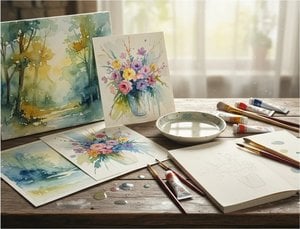
Ephemeral Visions: Exploring the Artistic Legacy & Nuances of Watercolor Painting
Explore the captivating world of watercolor painting! Discover its rich history, essential techniques, influential artists & collecting tips from art experts. A comprehensive guide for enthusiasts.

John Singer Sargent: 25 mistrovských děl a inspirace pro váš domov | ArtsDot.com
Objevte 25 ikonických děl Johna Singera Sargenta – portrétů, impresionistických krajin a elegantních kompozic. Prozkoumejte příběhy umění, techniky a inspiraci pro váš interiér s reprodukcemi nejvyšší kvality na ArtsDot.com

Ephemeral Visions: Exploring the History & Emotional Resonance of Watercolor Painting
Explore the captivating history of watercolor painting, from ancient techniques to modern masters like Kandinsky & Blake. Discover essential artists, collecting tips & the emotional power of this luminous medium. Expert insights for art enthusiasts.