

 Náhled v interiéru
 Sdílet
 Sdílet
 Podrobnosti o díle
 Průvodce

 Stáhnout
 Podobné položky
 Rentgenové snímky
 Slideshow
 Otázky a odpovědi
 Statistiky
Untitled

 Zobrazit více
Umělecké dílo zobrazené na této stránce je chráněno autorským zákonem, což znamená, že nemůžeme legálně vytvářet ani prodávat jeho identickou reprodukci. Tato ochrana je vymáhána na základě mezinárodních dohod, jako například Berberská úmluva a národními zákony, včetně těch stanovených v Americký autorský zákon – Díl 17. Všechna práva vyhrazena.
Tato metoda je plně v souladu s autorským právem, protože nezahrnuje kopírování ani duplikování chráněného díla. Jde o kreativní reinterpretaci – nový obraz, který je inspirován originálem, ale není s ním identický.
Giclée / Umělecký tisk
Giclée nebo plátěný tisk muzeální kvality s rychlou výrobou a širokou nabídkou povrchových úprav. ( Koupit ručně malovaný obraz Přepnout na digitální obraz)




































Vyberte si z našich přednastavených velikostí, které odpovídají původním proporcím díla.

Zadejte šířku a výšku, které potřebujete pro váš rám nebo stěnu. Tisk lze pouze oříznout, nikdy však nelze zvětšit obraz nad jeho původní rozměr, proto při výběru jiného formátu dochází ke ztrátě části obrazu. Před samotným tiskem vám zašleme digitální náhled k schválení. Obraz zobrazený na této stránce nenabízí skutečný výřez — ten uvidíte pouze v náhledu.
Celosvětové doručení () do 2 týdnů namísto standardních 4/5 týdnů. (17 listopad)

Zdarma celosvětová expresní doprava

Vysoce kvalitní lněné plátno

Kompletní pojištění přepravy

Záruka vrácení celního poplatku

Záruka věrného barevného souladu

100dení lhůta pro vrácení zboží (pouze při vadách výroby)

100% záruka vrácení peněz

Sleva při více objednávkách
 Skleněná varianta je dostupná pouze u rozměrů menších než 110 cm

Untitled
Giclée / Umělecký tisk
Rozměry reprodukce
-


Celková cena za vybrané možnosti reprodukcí
Kč 1366
Podobná díla


Biografie umělce
John Wesley (1928-2022): The World of Paradox
John Wesley, who passed away in February 2022 at the age of 93, remains a quietly compelling figure in American art—an artist whose work defies easy categorization. Born in Los Angeles in 1928, his life spanned nearly a century of artistic evolution, yet he forged a path distinctly his own, blending elements of Pop Art’s accessibility with the enigmatic depths of Surrealism. Wesley wasn't interested in belonging to movements; rather, he absorbed influences and transmuted them into a visual language that was both precise and profoundly personal. His paintings aren’t bombastic statements but intimate explorations—coolly observed scenes populated by recurring motifs, rendered in a limited palette of pastel blues, pinks, and greens. This deliberate restraint is key to their power; it creates an atmosphere of detached contemplation, inviting the viewer into a world that feels both familiar and subtly unsettling. The impact of a childhood trauma – discovering his father’s death from a stroke at age five – resonated throughout his life and work, manifesting as a quiet introspection and a fascination with themes of loss and memory.Early Influences and Artistic Development
Wesley's journey to becoming a painter was unconventional. Before dedicating himself fully to art, he worked as an illustrator for Northrop Aircraft, meticulously translating technical blueprints into simplified drawings. This experience instilled in him a precision of line and form that would become hallmarks of his style. Later, a stint as a postal clerk provided another unexpected source of inspiration—the imagery found on stamps and employee badges began to appear in his artwork, subtly woven into the compositions. These early experiences weren’t merely jobs; they were formative lessons in visual communication, shaping his compositional approach and establishing a unique vocabulary of symbols. He acknowledged the influence of Pop artists like Andy Warhol, recognizing their impact on the art world, but he resisted being solely defined by that label. Wesley's work possessed a deeper psychological current, an undercurrent of dreamlike imagery and unexpected juxtapositions that aligned him more closely with the spirit of Surrealism, even as he eschewed strict adherence to its tenets. His signature style emerged gradually—clean lines, solid shapes, repetitive motifs like animals, women, and portraits, often arranged in compositions reminiscent of comic strips.“Searching for Bumstead” and Major Recognition
Perhaps the most poignant expression of Wesley’s personal history is found in his “Searching for Bumstead” series. This body of work delves into themes of loss and trauma through depictions of empty interiors, spaces imbued with a sense of absence and longing. The title itself hints at an elusive search—a quest to recapture something lost, perhaps the comforting presence of his father. These paintings aren’t overtly emotional; they are characterized by a cool detachment that amplifies their underlying sadness. Wesley's talent didn’t go unnoticed. His first solo exhibition in 1963 at The Robert Elkon Gallery garnered critical acclaim, including a particularly insightful review from Donald Judd, who praised the “cool, psychological oddness” of his work. This early recognition paved the way for further opportunities, most notably his inclusion in Documenta 5 in Kassel in 1972—a significant milestone that brought his art to an international audience. However, it was his relationship with Donald Judd that proved particularly pivotal. Judd invited Wesley to participate in a residency at the Chinati Foundation in Marfa, Texas, culminating in the creation of a permanent John Wesley Gallery dedicated to showcasing his work. This gallery stands as a testament to Judd’s belief in Wesley's artistic vision and ensures that his art will continue to be appreciated for generations to come. His work has also been exhibited at MoMA PS1, Stedelijk Museum Amsterdam, and the Whitney Museum of American Art, solidifying his place within the canon of contemporary art. He received a Guggenheim Fellowship in 1976 and a National Endowment for the Arts grant in 1989, further acknowledging his contributions to the field.A Legacy Beyond Categorization
John Wesley’s historical significance lies not only in his artistic achievements but also in his refusal to be easily categorized. He challenged conventional boundaries, resisting simple labels like Pop Art or Minimalism and carving out a unique space for himself within contemporary art history. His paintings offer a wry and insightful exploration of the American subconscious—themes of trauma, sexuality, innocence, and the complexities of modern life are subtly woven into his compositions. He wasn’t interested in providing answers; he was more concerned with posing questions. Wesley's work is characterized by a deadpan humor, a sense of irony that prevents it from becoming overly sentimental or didactic. The permanent gallery at the Chinati Foundation serves as a lasting tribute to his artistic vision, ensuring that audiences worldwide will continue to encounter and engage with his enigmatic and compelling paintings. He leaves behind a body of work that is both intellectually stimulating and emotionally resonant—a testament to the power of art to explore the depths of human experience.
John Wesley
1928 - 2022 , Spojené státy americké
Rychlé informace o umělci
- Artistic Movement Or Style: Pop Art, Surrealism
- Artists Or Movements Influenced By This Artist: ['Donald Judd']
- Artists Who Influenced This Artist: ['Andy Warhol']
- Date Of Birth: November 25, 1928
- Date Of Death: February 10, 2022
- Full Name: John Wesley
- Nationality: Američan
- Notable Artworks: ['Searching for Bumstead']
- Place Of Birth: Los Angeles, USA
Související články

Roy Lichtenstein: Top 25 děl pop artu pro váš interiér | ArtsDot.cz
Prozkoumejte 25 ikonických děl Roye Lichtensteina – průkopníka pop artu. Obrazy s komiksovými motivy, výrazné barvy a unikátní technika ben-day dots. Najděte inspiraci pro váš interiér a kvalitní reprodukce na ArtsDot.cz! Prozkoumejte celou kolekci online.

The Unconventional Vision: Exploring the Characteristics, History & Enduring Appeal of Naïve Art
Explore the captivating world of naïve art! Discover its history, characteristics, key artists & collecting tips from ArtsDot's experts. Find your perfect piece today.
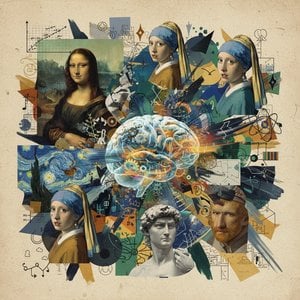
Za hranicemi malířského plátna: Kultivace interdisciplinárního učení skrze integraci vizuálního umění
Objevte sílu vizuálního umění v interdisciplinárním vzdělávání! Hluboká analýza historie, ikonografie a aplikací pro rozvoj kritického myšlení. Získejte inspiraci a nové perspektivy.

Defining Art Now: Top 10 Masterpieces of '08-Contemporary & Beyond | ArtsDot
Explore 10 defining masterpieces of contemporary art – from Jeff Koons to Yayoi Kusama. Discover the stories behind iconic paintings & sculptures, and find museum-quality reproductions for your home at ArtsDot.com. Explore the full collection online!

Clyfford Still's Abstract Expressionism: A Study of Color, Form & the Existential Landscape
Explore the profound world of Clyfford Still's Abstract Expressionism with ArtsDot. Discover his unique style, existential themes & investment potential. Expert analysis for discerning collectors.