


 Zobrazit v interiéru
 Odeslat
 Sdílet
 Podrobnosti
 Průvodce

 Stáhnout obrázek
 Podobné kousky
 Rentgenové snímky
 Slideshow
 Statistiky
Dead Wolf
 Oil On Canvas
- WallArt
- Baroque Rococo
 1721
1721 193.0 x 260.0 cm
 Wallace Collection
 Přečíst si více
Ručně malovaná olejová reprodukce
Ručně malované olejné plátno v libovolném rozměru i s rámem, vyrobené našimi umělci na zakázku. ( Přepnout na tiskové verze Přepnout na digitální verzi obrazu)




P118B Kč10

P118H Kč10

P118W Kč10

P438Z Kč10

P508JH Kč12

P508YH Kč12

P805H Kč10

P805Z Kč10

P919BZ Kč10

P919G Kč10

P919XJ Kč10

P959ZH Kč10

P968JZ Kč12

W106C Kč8

W218G Kč10

W218JH Kč8

W218Y Kč10

W307PJ Kč10

W316G Kč10

W316PJ Kč8

W316Y Kč10

W398PJ Kč8

W4111J Kč10

W500HY Kč15

W500JH Kč15

W692G Kč12

W849H Kč8

W940BG Kč15

W953PJ Kč8




Vyberte si z našich přednastavených velikostí, které odpovídají původním proporcím díla.

Zadejte šířku a výšku, které potřebujete pro váš rám nebo stěnu. Protože se jedná o ruční malbu, při výběru jiného formátu může umělec kolem obrazu domalovat o něco více, nebo jej mírně oříznout — rozhodnete si vy. Před zahájením malby vám zašleme digitální náhled ke schválení. Obraz zobrazený na této stránce neodpovídá skutečnému výsledku — pouze digitální náhled jej zobrazuje.
Po přijetí objednávky vám tým ArtsDot.com zašle e-mail s pokyny a poskytne náhledovou verzi.
Celosvětová doprava () za 3–4 týdny namísto standardních 5 týdnů. (21 říjen). Bez kompromisů v kvalitě.

Zdarma celosvětová expresní doprava

Vysoce kvalitní lněné plátno

Úplné pojištění přepravy

Záruka vrácení celního poplatku

Záruka věrného barevného shodu

100dení lhůta pro vrácení zboží (pouze při vadách výroby)

100% garance vrácení peněz

Sleva při více objednávkách
 Skleněná varianta je dostupná pouze u rozměrů menších než 110 cm

Dead Wolf
Technika provedení
Velikost reprodukce
-


Celková cena
Kč 5589
A Study in Shadow and Light: Jean-Baptiste Oudry’s “Dead Wolf”
Jean-Baptiste Oudry's "Dead Wolf," painted in 1721, is more than just a still life; it’s a meticulously crafted meditation on mortality, the beauty of the natural world, and the fleeting nature of existence. This oil-on-canvas masterpiece, currently residing within the hallowed halls of the Wallace Collection in London, immediately draws the viewer into its dramatic interplay of light and shadow – a hallmark of Oudry's signature style and a testament to his mastery of Baroque techniques. The painting’s power lies not merely in its subject matter—a recently hunted wolf—but in the artist’s ability to imbue it with an almost palpable sense of dignity and quiet contemplation.
Oudry, a prominent figure within the Rococo art movement, skillfully blended elements of naturalism with aristocratic themes. Initially known for his portraits, he gradually developed a profound appreciation for animal studies, particularly those depicting hunting scenes. “Dead Wolf” exemplifies this evolution, showcasing Oudry’s keen observational skills and his ability to capture the textures and nuances of fur, flesh, and bone with astonishing realism. The composition itself is carefully balanced, drawing the eye towards the central figure of the wolf while simultaneously engaging the viewer with the surrounding elements – the attentive dogs, the array of fruits, and the subtle suggestion of an outdoor setting through the window’s opening.
The Language of Light: Chiaroscuro and Baroque Influence
At the heart of “Dead Wolf” lies Oudry's masterful use of chiaroscuro – a dramatic technique employing strong contrasts between light and dark. The light, originating from an unseen source outside the canvas, washes over the wolf’s form, highlighting its musculature and creating a sense of volume and depth. Conversely, the surrounding elements are plunged into shadow, lending them a mysterious quality and intensifying the overall mood. This manipulation of light isn't merely decorative; it serves to emphasize the vulnerability of the deceased animal, transforming a scene of hunting into a poignant reflection on life’s transience.
The influence of Baroque art is undeniable in Oudry’s approach. The dramatic lighting, the meticulous detail, and the overall sense of theatricality are all hallmarks of this influential period. However, Oudry transcends mere imitation, imbuing these elements with his own distinctive sensibility – a refined elegance that anticipates the Rococo style to come. The careful rendering of each individual strand of fur, for instance, speaks to a dedication to realism rarely seen in earlier Baroque works.
Symbolism and Interpretation: Beyond the Hunt
While ostensibly depicting a hunting scene, “Dead Wolf” is rich with symbolic meaning. The wolf itself has long been associated with themes of nobility, strength, and cunning – qualities that are subtly reflected in the animal’s posture and expression. Its deliberate placement on the stone ledge suggests a certain dignity, even in death, transforming it from a mere prey into a subject worthy of contemplation. The dogs, positioned attentively around the wolf, could represent loyalty, companionship, or perhaps even the inevitability of fate.
Furthermore, the inclusion of fruits – apples, pears, and plums – adds another layer of interpretation. These symbols often represent abundance, fertility, and the cycle of life and death. Their juxtaposition with the deceased wolf creates a poignant reminder of nature’s relentless rhythm—a continuous process of creation, destruction, and renewal. The window glimpsing an outdoor scene reinforces this connection to the natural world, suggesting that even in stillness, the spirit of life persists.
A Timeless Masterpiece: Reproduction and Legacy
Handmade oil painting reproductions of “Dead Wolf” by Jean-Baptiste Oudry are now available through platforms like ArtsDot.com, offering art enthusiasts a unique opportunity to own a piece of this iconic artwork. These meticulously crafted reproductions capture the essence of Oudry’s original vision – the dramatic lighting, the exquisite detail, and the profound emotional impact. Whether displayed in a grand salon or a cozy study, “Dead Wolf” continues to captivate viewers with its timeless beauty and enduring message.
For those seeking further information on this remarkable painting and the artist behind it, we encourage you to explore resources such as Jean-Baptiste Oudry’s biography on Wikipedia, the detailed artwork page at Art UK, and the Web Gallery of Art's comprehensive collection. The Wallace Collection itself offers a wealth of information about “Dead Wolf” and its place within Oudry’s oeuvre.
Otázky a odpovědi
Jakou náladu by do prostoru přineslo dílo "Dead Wolf"?
Dílo „Dead Wolf“ s svou Elegant atmosférou se doporučuje do Living Room.
Do které fáze tvorby Jean-Baptiste Oudry spadá dílo „Dead Wolf“, vzhledem k jeho datování?
Vzhledem k datování z roku 1721 spadá dílo „Dead Wolf“ do Rococo Maturity umělce Jean-Baptiste Oudry.
Jaká velikost reprodukce se doporučuje pro dílo „Dead Wolf“ od Jean-Baptiste Oudry?
Doporučená velikost tisku pro dílo „Dead Wolf“ od Jean-Baptiste Oudry je Large.
Související díla


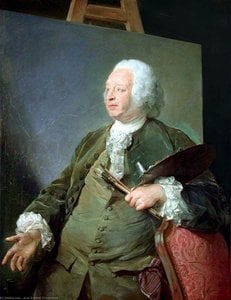


Biografie umělce
Jean-Baptiste Oudry: Život v umění
Raný život a vzdělání
- Narozen: 17. března 1686, Paříž, Francie.
- Oudry pocházel z umělecké rodiny; jeho otec, Jacques Oudry, byl malířem a obchodníkem s uměním. Jeho matka, Nicole Papillon, byla příbuzná se slavným rytcem Jean-Baptiste-Michel Papillonem.
- Své vzdělání zahájil v Académie de Saint-Luc, kde se v letech 1707 až 1712 učil pod dohledem Nicolase de Largillière. Toto základní období formovalo jeho rané schopnosti v oblasti portrétництва a pozorování detailů.
- V uměleckém světě rychle postupoval, v roce 1714 se stal asistentem profesora na Académie de Saint-Luc a již do roku 1717 získal titul plného profesora.
Umělecký rozvoj a styl
- Ačkoliv se zpočátku zaměřoval především na portrétní malbu, Oudry postupně rozšiřoval svůj repertoár o záložní obrazy, zejména stillity s ovocem a zvířaty, a také o náboženská témata.
- Jeho styl se vyvinul směrem k rocoku, který byl charakteristický elegancí, naturalismem a hravým zobrazením aristokratického života a volného času.
- Oudryho mimořádná pozornost k detailu a schopnost zachytit textury a specifické rysy zvířat se staly nekorunovanými znaky jeho díla.
- Projevil naprosté mistrovství jak v malířství, tak v návrhářství, díky čemuž dokázal plynule přecházet od tvorby na plátně k tvorbě tkaninových tapiserií.
- Pastýřské zábavy (Les Amusements Champêtres): Série tapiserií navržených pro Královskou manufakturu Beauvais, která představuje idylické scény venkovského života a lovu.
- Ludvík XV. lovící jel v lese Saint-Germain (1730): Tento obraz upevnil Oudryho pověst oficiálního malíře královských lovů. Je dokonalým příkladem jeho schopnosti zachytit jak velkolepost lovu, tak krásy přirozeného prostředí.
- Královské lovy Ludvíka XV. (Chasses Royales Gobelins): Série návrhů na tapiserie pro manufakturu Gobelins, která dále ugruntovala Oudryho význam jako předního návrháře tkanin.
- Početné portréty ulovené zvěře na zakázku krále Ludvíka XV., které demonstrují jeho hlubokou znalost anatomie zvířat a mistrovství v kompozici záložních obrazů.
Vlivy a odkaz
- Ovlivněn: Nicolas de Largillière hrál zásadní roli v Oudryho raném rozvoji, neboť mu poskytl základní výcvik v portrétnictví a technice.
- Oudryho dílo ovlivnilo následující generace malířů zvířat i návrhářů tapiserií. Jeho naturalistický styl a smysl pro detail nastavily nový standard pro zobrazení divoké zvěře.
- Významně přispěl k dekorativnímu umění francouzského dvora tvorbou luxusních tapiserií, které zdobily královské rezidence.
Historický význam
- Oudryho práce poskytuje cenný pohled do aristokratického života 1 যাইহোক 18. století a na důležitost lovu jako koníčka francouzské šlechty.
- Jeho tapiserie jsou považovány za mistrovská díla francouzského dekorativního umění, která vykazují technickou zručnost a uměleckou kreativitu celé éry.
- Byl jmenován na prestižní pozice v Académie Royale de Peinture et de Sculpture, což dokládá jeho uznání jako předního umělce své doby.
- Zemřel: 30. dubna 1755, přičemž po sobě zanechal odkaz mimořádných obrazů a tapiserií, které jsou obdivovány i dnes.

Jean-Baptiste Oudry
1686 - 1755 , Francie
Rychlé informace
- Artistic Movement Or Style: Rokoko
- Artists Or Movements Influenced By This Artist: Žádné známé
- Artists Who Influenced This Artist: Nicolas de Largillière
- Date Of Birth: 17. března 1686
- Date Of Death: 30. dubna 1755
- Full Name: Jean-Baptiste Oudry
- Nationality: Francouzský
- Notable Artworks:
- Les Amusements Champêtres
- Lov Louis XV
- Place Of Birth: Paříž, Francie
Související články

Silent Narratives: Exploring the Enduring Appeal of Still Life Painting Across Centuries
Explore the rich history of still life painting with ArtsDot. Discover Dutch Masters, decode vanitas symbolism & learn about collecting timeless art. Expert insights and museum-quality reproductions.

Jean-Baptiste-Siméon Chardin: Master of Still Life & Everyday Elegance
Explore the serene world of Jean-Baptiste-Siméon Chardin, master of still life & genre painting. Discover his revolutionary techniques, enduring legacy, and timeless depictions of everyday elegance. Learn more at ArtsDot.

Barokní drama: Umění, které vnáší velkolepost do domova
Objevte velkolepost barokního stylu v interiéru! Průvodce klíčovými prvky, inspirace a tipy pro integraci do moderního bydlení. Reprodukce umění s .

Barokní mistrovská díla: 10 obrazů, které definovaly umělecký styl | ArtsDot.cz
Objevte 10 ikonických děl barokního umění – od Caravaggia po Rembrandta. Ponořte se do příběhů mistrů, technik a emocí tohoto velkolepého období. Reprodukce obrazů nejvyšší kvality na ArtsDot.com! Prozkoumejte celou kolekci online.

The Dramatic Flourish: Exploring the Baroque Movement's Enduring Legacy in Art History
Explore the dramatic world of Baroque art! Discover iconic artists like Caravaggio & Rubens, defining techniques, and its lasting impact on art history. Expert insights for collectors & enthusiasts at ArtsDot.