

 Náhled
 Sdílet
 Sdílet
 Podrobnosti o díle

 Stáhnout
 Podobné položky
 Rentgenové snímky
 Slideshow
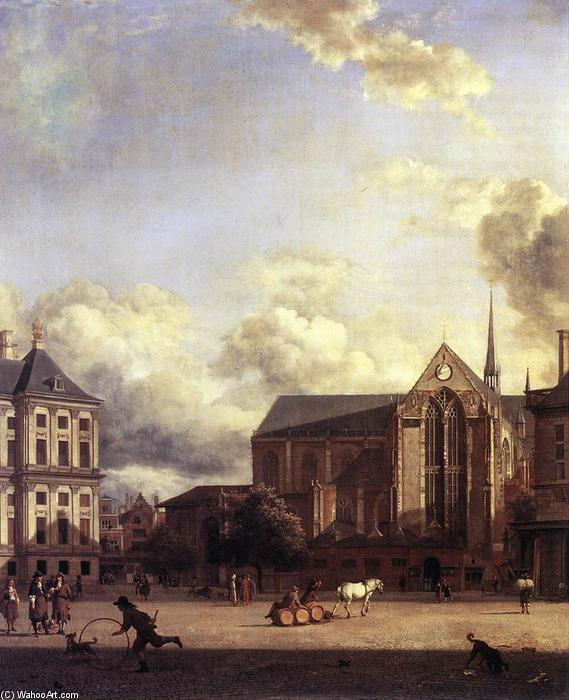
Dam Square, Amsterdam


 Zobrazit více
Giclée / Umělecký tisk
Giclée nebo plátěný tisk muzeální kvality s rychlou výrobou a flexibilními možnostmi povrchové úpravy. ( Koupit ručně malovaný obraz Koupit obrázek)




P118B $10

P118H $10

P118W $10

P438Z $10

P508JH $12

P508YH $12

P805H $10

P805Z $10

P919BZ $10

P919G $10

P919XJ $10

P959ZH $10

P968JZ $12

W106C $8

W218G $10

W218JH $8

W218Y $10

W307PJ $10

W316G $10

W316PJ $8

W316Y $10

W398PJ $8

W4111J $10

W500HY $15

W500JH $15

W692G $12

W849H $8

W940BG $15

W953PJ $8




Vyberte si z našich přednastavených velikostí, které odpovídají původním proporcím díla.

Můžete zadat vlastní rozměry tak, aby výtvor odpovídal konkrétnímu rámu nebo prostoru. Pokud zvolená velikost nebude odpovídat poměru stran původního obrazu, dílo buď ořížeme, nebo obraz rozšíříme pomocí zrcadlového efektu či jednobarevného okraje. Před zahájením výroby vám bude zaslán digitální náhled k schválení.
Mějte prosím na paměti, že náhled na obrazovce neodráží skutečné oříznutí nebo rozšíření. Pouze digitální náhled přesně zobrazí finální kompozici.
Ačkoliv jsou k dispozici i vlastní rozměry, pro zachování původních proporcí doporučujeme vybrat si rozměr z předdefinovaného seznamu.
Celosvětové doručení () do 2 týdnů namísto standardních 4/5 týdnů. (21 srpen)

Zdarma celosvětová expresní doprava

Vysoce kvalitní lněné plátno

Kompletní přepravní pojištění

Záruka vrácení celního poplatku

Záruka přesného barevného shodu

60denní lhůta pro vrácení zboží (pouze při vadách výroby)

100% garance vrácení peněz

Sleva při hromadné objednávce
 Skleněná varianta je dostupná pouze u rozměrů menších než 110 cm

Dam Square, Amsterdam
Giclée / Umělecký tisk
Rozměry reprodukce
-


Celková cena za výběr
$ 62
Podobná umělecká díla


Biografie umělce
A Pioneer of Urban Landscapes: The Life and Art of Jan van der Heyden
Jan van der Heyden, born in the bustling Dutch town of Gorinchem in 1637, stands as a remarkably versatile figure in the history of art and engineering. More than simply a painter celebrated for his meticulously rendered cityscapes, he was an innovator whose contributions extended to firefighting technology and urban planning – a testament to his keen observation and practical mind. His story unfolds against the backdrop of the Dutch Golden Age, a period of unprecedented artistic and economic prosperity, and it’s one marked by both quiet determination and significant impact. Born into a family with roots in craftsmanship, Van der Heyden's early life likely involved exposure to techniques like glass painting, possibly under his brother Goris, who specialized in creating intricate mirrors – a skill that may have subtly influenced the clarity and precision evident in Van der Heyden’s later work. The relocation of his family to Amsterdam in 1646 proved pivotal, immersing him within the heart of the burgeoning commercial and artistic center of the Netherlands.From Decorative Arts to Architectural Precision
Van der Heyden's artistic journey began not with grand historical scenes or portraits, but with a focus on decorative arts – specifically *verre eglomisé*, the art of painting directly onto glass surfaces. This early training in meticulous detail and reflective techniques undoubtedly shaped his approach to later works, imbuing them with an exceptional clarity and luminosity. However, he soon transitioned towards a specialization that would secure his place in art history: the depiction of townscapes. He became one of the first Dutch artists to dedicate himself almost entirely to this genre, establishing himself as a leading architectural painter of his time. Unlike many of his contemporaries who favored portraits or historical narratives, Van der Heyden turned his gaze towards the vibrant streets and stately canals of Amsterdam and other Dutch cities – capturing their essence with remarkable accuracy and artistry. His canvases offer not just visual representations but also a sense of the atmosphere and energy of these urban centers. Works such as *View of Oudezijds Voorburgwal with the Oude Kerk in Amsterdam* exemplify this dedication to realism, meticulously portraying the play of light on brickwork, the textures of cobblestone streets, and the lively bustle of 17th-century life. He wasn’t limited to simply recording existing scenes; Van der Heyden also created “architectural fantasies,” imaginative compositions blending elements from different structures – a foreshadowing of artistic trends that would gain prominence in subsequent centuries. These works demonstrate a playful creativity alongside his technical mastery, suggesting an artist who was constantly experimenting and pushing the boundaries of representation.An Engineer’s Vision: Innovation Beyond the Canvas
Beyond his artistic pursuits, Jan van der Heyden possessed a remarkable inventive spirit and a deep-seated desire to improve the lives of those around him. He wasn't merely a painter capturing the world; he was actively shaping it through practical innovations. In 1672, alongside his brother Nicolaes – a skilled hydraulic engineer – Van der Heyden devised significant improvements to the fire hose, addressing a critical and persistent problem in densely populated urban areas. This wasn’t a minor adjustment; it represented a substantial advancement in firefighting technology, dramatically increasing its effectiveness. His contribution didn't stop there. He reorganized Amsterdam’s volunteer fire brigade in 1685, implementing more efficient strategies and protocols – demonstrating his commitment to public safety and civic responsibility. His most enduring legacy, however, lies in the creation of *Brandspuiten-boek* (Book on Firefighting Equipment), a comprehensive manual published in 1690 that served as the first of its kind. This meticulously illustrated work detailed not only the mechanics of firefighting equipment but also provided practical advice and strategies for combating urban fires – effectively disseminating his knowledge and expertise to a wider audience.Legacy and Lasting Influence
Jan van der Heyden died in 1712, leaving behind a substantial estate that included over seventy of his own paintings – a remarkable testament to both his productivity and the value placed on his work during his lifetime. While he had no direct pupils who immediately followed in his footsteps, his influence resonated through subsequent generations of artists specializing in architectural painting. He provided invaluable insights into 17th-century urban life and architecture, offering a visual record of cities as they existed during that period – a rare and precious resource for historians and art scholars alike. His detailed depictions serve as crucial historical documents, capturing the nuances of urban design and social activity. Furthermore, his innovative approach to townscapes, combined with his practical engineering contributions, cemented his position as a truly unique and multifaceted figure in Dutch history. He wasn’t simply an artist capturing the world around him; he was actively shaping it, improving the lives of those who inhabited it. Van der Heyden's legacy endures not only through his captivating paintings but also through the enduring impact of his inventions on urban safety and infrastructure.Notable Works
Here are some of Jan van der Heyden’s most significant works:- View of Oudezijds Voorburgwal with the Oude Kerk in Amsterdam
- Still Life with Globe, Books and Chinese Silk
- Architectural Fantasy (various examples)
- View of Delft
- Westerkerk, Amsterdam

Jan van der Heyden
1637 - 1712 , Nizozemsko
Rychlé fakta
- Artistic Movement Or Style: Baroko, Dutch Golden Age
- Artists Or Movements Influenced By This Artist: ['18. století']
- Artists Who Influenced This Artist: ['Jacob van der Ulft']
- Date Of Birth: 1637
- Date Of Death: 1712
- Full Name: Jan van der Heyden
- Nationality: Nizozemec
- Notable Artworks:
- Amsterdamský výhled
- Still Life s globusem
- Place Of Birth: Gorinchem, Nizozemsko
Související články

Zlatý věk nizozemského malířství: 10 mistrovských děl pro váš domov | ArtsDot.com
Prozkoumejte 10 ikonických děl nizozemského zlatého věku – Rembrandt, Vermeer a další mistři. Objevte příběhy za obrazy, techniky a inspiraci pro váš interiér s reprodukcemi nejvyšší kvality na ArtsDot.com.

Rembrandt van Rijn: Top 25 mistrovských děl pro váš interiér | ArtsDot.cz
Prozkoumejte 25 nejlepších děl Rembrandta van Rijna – od portrétů po biblické scény. Objevte příběhy, techniky a inspiraci nizozemského baroka. Reprodukce obrazů pro váš interiér na ArtsDot.cz.
Jan Steen: A Master of Dutch Genre Painting & the Golden Age
Explore the life & art of Jan Steen, a leading Dutch Golden Age painter renowned for his humorous genre scenes & insightful social commentary. Discover his techniques, legacy, and collecting tips.

Golden Age Reflections: Dutch Baroque Painting & Cultural Innovation
Explore the Dutch Golden Age of painting! Discover key artists like Vermeer & ter Borch, their innovative techniques, and the rich cultural context behind these Baroque masterpieces. Learn about collecting & appreciating this iconic art period.

Illuminating Innovation: Exploring the Dutch Golden Age of Painting
Explore the Dutch Golden Age of painting with ArtsDot. Discover Rembrandt, Vermeer & other Masters. Learn about key characteristics, iconic artworks, and lasting influence. Expert insights for collectors & enthusiasts.

