


 Zobrazit v interiéru
 Odeslat
 Sdílet
 Podrobnosti
 Průvodce

 Stáhnout obrázek
 Podobné kousky
 Rentgenové snímky
 Slideshow
 Statistiky
Hudební dílo
 Akryl na plátně
- Obrazová tvorba na stěnu
- Baroque Art
 1629
1629 40.0 x 69.0 cm
 Akademie výtvarních umění Praha
 Přečíst si více
Ručně malovaná olejová reprodukce
Ručně malované olejné plátno v libovolném rozměru i s rámem, vyrobené našimi umělci na zakázku. ( Přepnout na tiskové verze Přepnout na digitální verzi obrazu)




P118B Kč10

P118H Kč10

P118W Kč10

P438Z Kč10

P508JH Kč12

P508YH Kč12

P805H Kč10

P805Z Kč10

P919BZ Kč10

P919G Kč10

P919XJ Kč10

P959ZH Kč10

P968JZ Kč12

W106C Kč8

W218G Kč10

W218JH Kč8

W218Y Kč10

W307PJ Kč10

W316G Kč10

W316PJ Kč8

W316Y Kč10

W398PJ Kč8

W4111J Kč10

W500HY Kč15

W500JH Kč15

W692G Kč12

W849H Kč8

W940BG Kč15

W953PJ Kč8




Vyberte si z našich přednastavených velikostí, které odpovídají původním proporcím díla.

Zadejte šířku a výšku, které potřebujete pro váš rám nebo stěnu. Protože se jedná o ruční malbu, při výběru jiného formátu může umělec kolem obrazu domalovat o něco více, nebo jej mírně oříznout — rozhodnete si vy. Před zahájením malby vám zašleme digitální náhled ke schválení. Obraz zobrazený na této stránce neodpovídá skutečnému výsledku — pouze digitální náhled jej zobrazuje.
Po přijetí objednávky vám tým ArtsDot.com zašle e-mail s pokyny a poskytne náhledovou verzi.
Celosvětová doprava () za 3–4 týdny namísto standardních 5 týdnů. (21 říjen). Bez kompromisů v kvalitě.

Zdarma celosvětová expresní doprava

Vysoce kvalitní lněné plátno

Úplné pojištění přepravy

Záruka vrácení celního poplatku

Záruka věrného barevného shodu

100dení lhůta pro vrácení zboží (pouze při vadách výroby)

100% garance vrácení peněz

Sleva při více objednávkách
 Skleněná varianta je dostupná pouze u rozměrů menších než 110 cm

Hudební dílo
Technika provedení
Velikost reprodukce
-


Celková cena
Kč 5589
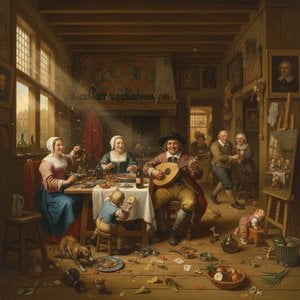
Jan van Bijlertova hudební společnost – Výrazné dílo Barrokových umění
Jan Hermansz van Bijlert byl nizozemským barokovým malířem narozeným kolem roku 1598 a zemřelým ve stejných letech Utrechtu v roce 1671. Jeho tvorba představuje fascinující průřez obdobím evropského uměleckého rozkvětu, kdy italští mistři výrazně ovlivňovali výtvarné dědictví severní Evropy. Van Bijlert byl jedním z nejvýznamnějších představitelů Utrecht Caravaggismu – stylu charakteristického kombinací italských barokních principů s unikátním nizozemským citlivostí. Jeho bohatý obrazový repertoár, obsahující přibližně 200 obrazů, nabízí poutavý pohled na dobu uměleckého experimentování a rostoucí vliv italských velikánů na evropské výtvarné dědictví. Van Bijlertův životní běh zůstal až dosud poněkud záhadný, nicméně věřím se, že získal počáteční vzdělání od svého otce Hermana Beernta van Bijlerta, zkušeného výrobce vitrážových obrazů. Tento základní zážitek pravděpodobně v něm vybudoval citlivost k detailům a důraz na realistické zpracování – znaky, které jsou typické pro jeho tvorbu. Jeho díla jsou často popisována jako „hudební společnosti“, což odkazuje nejen na zobrazovaný motiv, ale také na filozofii umění, která se snaží zachytit komplexní atmosféru doby a sociálních vztahů.- Výtvarný styl: Utrecht Caravaggismus – kombinace italských barokních technik s nizozemským estetickým smyslem. Charakteristické jsou dramatické osvětlení, bohaté barvy a expresivní gesta postav.
- Technika: Olej na dřevo – Van Bijlert používal tuto techniku pro tvorbu obrazů velikosti cca 40 x 69 cm, což bylo typické pro dekorativní výtvarné díla té doby.
- Kompozice: Vyvážená kompozice s důrazem na hlavní postavu – mladá žena hraná lute, která je umístěna centrálně a aktivně zapojena do hudebního projevu.
Otázky a odpovědi
Z jakého materiálu je vyrobeno dílo "Hudební dílo"?
Technikou díla „Hudební dílo“ od Jan van Bijlert je Akryl na plátně. Reprodukce mají za cíl věrně zachytit vzhled této techniky.
Jaké barvy dominují dílu „Hudební dílo“ od Jan van Bijlert?
Dílo „Hudební dílo“ od Jan van Bijlert využívá paletu Zemité tóny, přičemž hlavní barvou je Espresso (#3e241e).
Mohu si před koupí prohlédnout „Hudební dílo“ od Jan van Bijlert na své vlastní stěně?
Dílo „Hudební dílo“ nabízí náhled v rozšířené realitě: na stránce Náhled v AR si jej můžete prohlédnout ve vlastním prostoru pomocí kompatibilního zařízení.
Související díla


Biografie umělce
Jan van Bijlert: A Utrecht Caravaggist’s Dramatic Vision
Jan Hermansz van Bijlert, born in Utrecht around 1598 and passing away in the same city in 1671, stands as a pivotal figure within the vibrant artistic landscape of the Dutch Golden Age. Initially influenced by the intense realism and dramatic lighting of Caravaggio, van Bijlert evolved into one of the most prominent practitioners of what became known as Utrecht Caravaggism – a distinctly regional style that combined Italian Baroque principles with a uniquely Dutch sensibility. His prolific output, numbering approximately 200 paintings, offers a compelling glimpse into a period of artistic experimentation and the burgeoning influence of Italian masters on Northern European art. Van Bijlert’s early life remains somewhat shrouded in mystery, though it's believed he received some initial training from his father, Herman Beernts van Bijlert, a skilled stained-glass worker. This foundational experience likely instilled within him an appreciation for detail and craftsmanship – qualities that would later manifest powerfully in his paintings. He subsequently studied under Abraham Bloemaert, a respected Utrecht painter known for his meticulous depictions of mythological scenes and portraits. Crucially, van Bijlert’s artistic journey extended beyond the borders of the Netherlands, with significant periods spent in France and Italy. These experiences proved transformative, exposing him to the revolutionary techniques and dramatic intensity championed by Caravaggio, whose influence would irrevocably shape his style.The Bentvueghel Circle and Early Roman Years
Van Bijlert’s arrival in Rome in 1621 marked a significant turning point. He quickly became integrated into the *Bentvueghels*, a notoriously convivial circle of artists – Dutch, Flemish, and Italian – who established a shared identity through adopted nicknames. Van Bijlert chose “Aeneas,” a reference to the Roman hero known for his strength and resilience. The Bentvueghels were not merely artistic collaborators; they were also avid socialites, exchanging witty verses, satirical prints, and, of course, paintings. This environment fostered an atmosphere of intense exchange and experimentation, allowing artists to push boundaries and develop their individual styles. During this period in Rome, van Bijlert honed his skills, mastering Caravaggio’s signature techniques: the stark contrast between light and shadow (chiaroscuro), the dramatic cropping of compositions to create a sense of immediacy, and an unwavering commitment to realistic representation. His early works from this era are characterized by these elements, depicting scenes of intense emotion and often featuring figures caught in moments of action or contemplation.A Shift Towards Classicism and Genre Scenes
Around 1630, van Bijlert’s artistic trajectory shifted noticeably. While retaining the core principles of Caravaggism – particularly the dramatic use of light – he began to incorporate elements of classicizing style, possibly influenced by fellow Utrecht artist Cornelis van Poelenburch. This evolution manifested in a lightening of his palette and a move towards more elevated subject matter, including religious scenes and allegorical compositions. Interestingly, this period also saw the emergence of van Bijlert’s fascination with genre scenes. He produced a series of paintings depicting intimate moments from everyday life – brothels, musical gatherings, and tavern scenes – often populated by small figures rendered with remarkable detail and psychological insight. These works, reminiscent of those created by Jacob Duck, offered a glimpse into the social fabric of Utrecht society and demonstrated van Bijlert’s ability to capture human emotion and interaction with subtle grace.Guild Life, Patronage, and Legacy
Van Bijlert's life was deeply intertwined with the civic and religious institutions of Utrecht. He joined the schutterij (a citizen militia) in 1625 and became a member of the Utrecht Guild of St. Luke in 1630, serving as deacon from 1632 to 1637 and later appointed regent of the Sint-Jobsgasthuis in 1634. His involvement extended beyond artistic pursuits; he played a role in establishing the “Schilders-College” (painter’s school) in 1639, serving as its regent and mentoring a new generation of artists, including Bartram de Fouchier and Ludolf Leendertsz de Jongh. This dedication to both art and community underscores his position as a respected figure within Utrecht's cultural elite. Jan van Bijlert’s legacy is firmly rooted in the Utrecht Caravaggisti movement. His paintings, characterized by their dramatic lighting, realistic depictions of human figures, and exploration of emotional intensity, continue to captivate viewers today. His work stands as a testament to the dynamic exchange of artistic ideas that flourished during the Dutch Golden Age – a period when Italian Baroque principles were embraced, adapted, and ultimately transformed into a uniquely Northern European style. His approximately 200 paintings provide a rich and detailed record of this fascinating artistic evolution.
Jan van Bijlert
1598 - 1671 , Netherlands
Rychlé informace
- Full Name: Jan Hermansz van Bijlert
- Nationality: Dutch
- Date Of Birth: 1598
- Date Of Death: 1671
- Place Of Birth: Utrecht, Netherlands
- Notable Artworks:
- Virgin and Child
- Portrait of a Woman
- Artistic Movement Or Style: Utrecht Caravaggisti
- Artists Who Influenced This Artist: ['Caravaggio']
- Artists Or Movements Influenced By This Artist: ['Utrecht Caravaggisti']
Související články

Rembrandt van Rijn: Top 25 mistrovských děl pro váš interiér | ArtsDot.cz
Prozkoumejte 25 nejlepších děl Rembrandta van Rijna – od portrétů po biblické scény. Objevte příběhy, techniky a inspiraci nizozemského baroka. Reprodukce obrazů pro váš interiér na ArtsDot.cz.
Jan Steen: A Master of Dutch Genre Painting & the Golden Age
Explore the life & art of Jan Steen, a leading Dutch Golden Age painter renowned for his humorous genre scenes & insightful social commentary. Discover his techniques, legacy, and collecting tips.

Golden Age Reflections: Dutch Baroque Painting & Cultural Innovation
Explore the Dutch Golden Age of painting! Discover key artists like Vermeer & ter Borch, their innovative techniques, and the rich cultural context behind these Baroque masterpieces. Learn about collecting & appreciating this iconic art period.

Zlatý věk nizozemského malířství: 10 mistrovských děl pro váš domov | ArtsDot.com
Prozkoumejte 10 ikonických děl nizozemského zlatého věku – Rembrandt, Vermeer a další mistři. Objevte příběhy za obrazy, techniky a inspiraci pro váš interiér s reprodukcemi nejvyšší kvality na ArtsDot.com.

Top 10 mistrovských děl holandského baroka – obrazy a umělci | ArtsDot.cz
Objevte 10 ikonických děl holandského baroka! Prozkoumejte příběhy Rembrandta, Vermeera a dalších mistrů. Repliky obrazů nejvyšší kvality pro váš interiér na ArtsDot.cz – inspirace a umělecké reprodukce online.
