
- Domů

- Reprodukce olejomalby
- james passmore smith
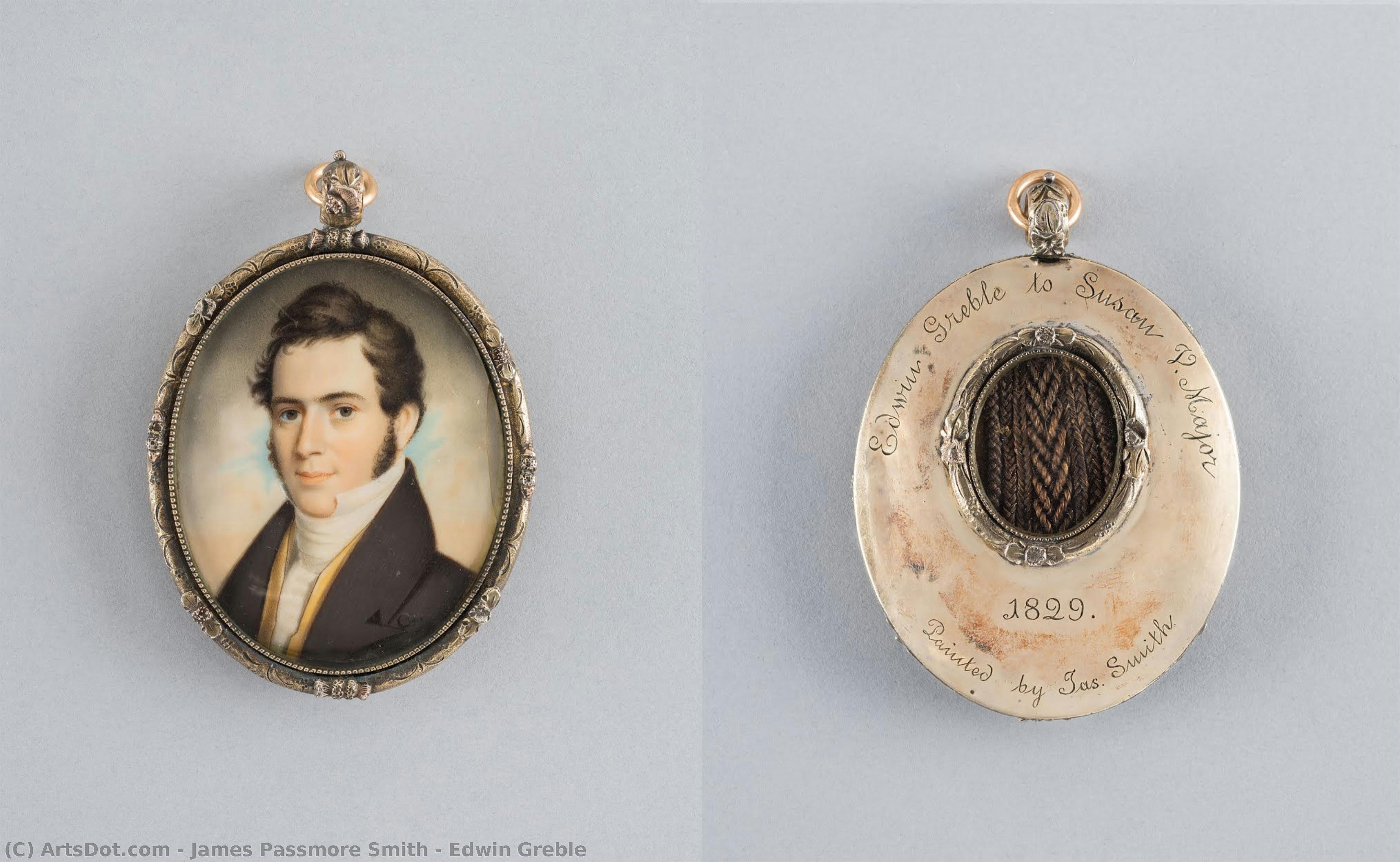
- Edwin Greble
 Koupit tisk Koupit digitální obrázek
 Sdílet
 Sdílet
 Podrobnosti o díle
 Přidat do oblíbených

 Stáhnout
 Podobné položky
 Rentgenové snímky
 Slideshow
Edwin Greble
 1829
1829 5.0 x 4.0 cm
 Zobrazit více
Ručně malovaná olejová reprodukce
Ručně malovaná olejná barva na plátně ve vašem zvoleném rozměru i s rámem, vyrobená našimi umělci na zakázku.




































Vyberte si z našich přednastavených velikostí, které odpovídají původním proporcím díla.

Můžete zadat vlastní rozměry pro konkrétní rám nebo prostor. Pokud se vámi vybraná velikost neshoduje s proporcemi původního obrazu, dílo buď ořízneme, nebo jej doplníme ručně malovanými prvky. Před zahájením výroby vám bude zaslán digitální náhled ke schválení.
Upozorňujeme, že náhled na obrazovce neodpovídá skutečnému ořezu ani rozšíření. Pouze digitální náhled přesně zobrazí finální kompozici.
Ačkoliv je možné zvolit vlastní velikost, pro zachování původních proporcí doporučujeme vybrat rozměr z předdefinovaného seznamu.
Po přijetí objednávky vám tým ArtsDot.com zašle e-mail s pokyny a poskytne náhledovou verzi.
Celosvětová doprava () za 3–4 týdny namísto standardních 5 týdnů. (18 červenec). Bez kompromisů v kvalitě.

Zdarma celosvětová expresní doprava

Vysoce kvalitní lněné plátno

Kompletní přepravní pojištění

Záruka vrácení celního poplatku

Záruka přesného barevného shodu

60denní lhůta pro vrácení zboží (pouze při vadách výroby)

100% garance vrácení peněz

Sleva při hromadné objednávce
 Skleněná varianta je dostupná pouze u rozměrů menších než 110 cm

Edwin Greble
Technika reprodukce
Rozměry reprodukce
-


Celková cena za výběr
-
Popis díla
Podobná umělecká díla


Biografie umělce
James Passmore Smith: A Victorian Portraitist Rooted in African Heritage
James Passmore Smith (1803 – 1888) stands as a quietly influential figure within the landscape of Victorian portraiture, particularly recognized for his exquisite miniature paintings that captured the dignity and nuance of aristocratic subjects. Born in Salisbury, Rhodesia (now Zimbabwe), Smith’s artistic journey began amidst the burgeoning colonial ambitions of Britain, yet his creative spirit transcended geographical boundaries, establishing him as a respected artist across continents. Smith's formative years instilled within him an appreciation for detail and observation—qualities that would become hallmarks of his distinctive style. While biographical information remains somewhat sparse, evidence suggests he honed his skills initially in London’s artistic milieu before embarking on expeditions to Africa, specifically Rhodesia, where he documented the region’s flora and fauna with remarkable accuracy. This exposure to diverse environments undoubtedly broadened his visual vocabulary and informed his approach to portraiture. His artistic technique was characterized by meticulous layering of translucent glazes—a hallmark of academic painting—allowing for subtle gradations of color and capturing the ethereal quality often associated with portraits of women. Smith’s canvases possessed a remarkable luminosity, achieved through careful manipulation of light and shadow, reflecting the influence of artists like Sir Joshua Reynolds and Thomas Lawrence, masters of neoclassical portraiture who championed naturalism and psychological insight. He skillfully rendered textures—from velvet gowns to satin jackets—with astonishing precision, conveying not merely likeness but also character and emotion. Smith’s oeuvre comprises approximately 300 portraits, predominantly miniature paintings executed in watercolor and occasionally oil on ivory. These diminutive canvases are treasured for their exceptional draughtsmanship and expressive tonal range. Subjects ranged from prominent members of the British aristocracy to wealthy merchants and philanthropists—individuals who sought to commemorate their status and legacy through artistic representation. Notable commissions included portraits of Lord Salisbury (after whom the city bears his name), Edwin Greble, and numerous unnamed ladies of considerable social standing. Beyond his technical prowess, Smith’s work holds significance as one of the earliest documented depictions of African subjects in Western art. His detailed botanical illustrations—particularly those documenting Rhodesian orchids—demonstrate a commitment to scientific observation alongside artistic creativity. These images contributed to the burgeoning interest in African biodiversity during the Victorian era and stand as testament to Smith's pioneering role in bridging the gap between European artistic conventions and African cultural heritage. James Passmore Smith’s legacy resides not merely in his stunning portraits but also in his contribution to shaping perceptions of Africa within the broader context of Victorian art history.
james passmore smith
1803 - 1888 , Zimbabwe
Rychlé fakta
- Artistic Movement Or Style: Portrait Miniature
- Date Of Birth: 1803
- Full Name: James Passmore Smith
- Nationality: American
- Notable Artworks:
- Portrait of a Lady
- Portrait of a Gentleman
- Edwin Greble
- Place Of Birth: Salisbury, Zimbabwe

