


 Zobrazit v interiéru
 Odeslat
 Sdílet
 Podrobnosti
 Průvodce

 Stáhnout obrázek
 Podobné kousky
 Rentgenové snímky
 Slideshow
 Statistiky
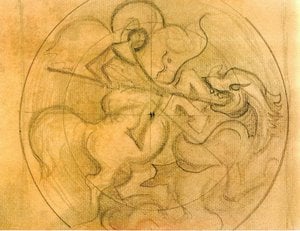
Untitled (976)
 Přečíst si více
Zakupte si digitální obraz ve vysokém rozlišení a vylepšeném provedení, který nabízí mnohem vyšší kvalitu než online náhled.
Každý soubor je pečlivě připraven našimi specialisty s využitím pokročilých nástrojů a odborné manuální retuše. Zajišťujeme, aby každý obraz disponoval výjimečnou ostrostí, přesnou barevnou věrností a jemnými detaily.
Finální soubor vám bude do 72 hodin zaslán e-mailem, optimalizovaný pro okamžité použití v profesionálním, redakčním i tiskovém prostředí. Nabízíme stejnou kvalitu, které důvěřují špičková designová studia, nakladatelství i galerie.
Digitální obrazy
Stáhněte si soubor ve vysokém rozlišení pro osobní prohlížení, tisk a kreativní projekty. ( Přepnout na tiskové verze Objednat ručně malovanou reprodukci)
Součást každé objednávky digitálního obrazu
Exponenciální digitální doručení, zaručené
Když si vyberete ArtsDot.com, nezískáváte pouze obrázek – získáváte digitální umělecké dílo s profesionálně vylepšenými detaily, zpracované s precizností a podpořené zárukou za spokojenost. Zde je vše, co vaše objednávka automaticky obsahuje:

Bleskové doručení e-mailem
Váš digitální obraz ve vysokém rozlišení vám bude zaslán e-mailem do 72 hodin od objednávky – připraven k okamžitému použití.

Digitální soubor s podporou AI
Vaše umělecké dílo je profesionálně optimalizováno pomocí pokročilých nástrojů umělé inteligence a manuální úpravy, což zajišťuje maximální úroveň detailu, ostrosti a přesnosti barev.

Doživotní bezplatné znovuodeslání
Soubor jste omylem smazali nebo ztratili? Žádný problém – kdykoliv vám ho znovu zašleme zcela zdarma.

Bez poplatků za dovoz – navždy
Užijte si své umělecké dílo okamžitě bez celních poplatků, daní nebo nákladů na dopravu – digitální stažení je vždy bez daňových povinností.

Záruka přesnosti barev
Díky profesionálním nástrojům a správě barev zajišťujeme, aby váš digitální obraz odrážel původní barvy co nejvěrněji.

100dená záruka spokojenosti
Pokud nebudete s digitálním obrázkem spokojeni, provedeme jeho revizi nebo vám vrátíme 100% platby do 100 dnů – bez jakýchkoliv dotazů.

100% záruka vrácení peněz
Nespokojeni? Získejte plnou náhradu peněz do 100 dnů od obdržení digitálního souboru – bez zbytečných dotazů.

Slevy při hromadných objednávkách
Při koupi 3 obrazů ušetříte 10% – Při koupi 5 obrazů ušetříte 15% – Při koupi 10+ obrazů ušetříte 20%. Ideální pro kreativní projekty, galerie a agentury.
Související díla


Biografie umělce
James Gleeson: Architekt australského surrealismu
James Timothy Gleeson (1915–2008) nebyl pouze malířem; byl to zaklínateli krajin, tkadcem nočních můr a snů, a možná i první skutečný surrealista Austrálie. Vystoupil z poválečné umělecké scény a vytvořil singularní vizi – svět prosáknutý primordální úzkostí, ozvěnou mýtů a psychoanalýzy –, která rezonuje dodnes. Jeho dílo nelze snadno zařadit do jedné škatulky; je to mocná směs australské identity, evropských vlivů a hluboce osobního symbolismu, ztvárněná na odvážných plátnech s bohatou texturou impasta, která si vyžadují pozornost a vybízejí k hlubokému zamyšlení.
Gleesson se narodil v Hornsby v Novém Jižním Walesu a jeho raný život byl poznamenán hlubokým pocitem odcizení. Vlastnictví hotelu jeho rodinou mu umožnilo nahlédnout do temnější stránky australské společnosti, zatímco jeho umělecké sklony byly pěstovány díky setkání s vlivnými postavami, jako byla May Marsden, která ho vedla k malířství jako k východisku pro jeho rostoucí úzkosti. Toto formativní období v něm zanechalo fascinaci podvědomím a touhu čelit nepříjemným pravdám – téma, které se stalo středobodem jeho celého díla. Jeho počáteční vzdělání na East Sydney Technical College položilo základy, ale skutečný oheň pro jeho surrealistickou citlivost zapálilo až hluboké ponoření do děl Dalího, Massona, Freuda a Junga.
Zrod vize
Gleessonova umělecká cesta začala záměrným odmítnutím konvenční reprezentace. Pod vlivem evropských surrealistů – zejména Dalího s jeho explorací snů a Massonovy organické abstrakce – se snažil obejít limity vizuální vnímání a namísto toho zachytit syrovou energii nevědomí. Jeho raná díla, jako například „Sázeč“ (194ること), již naznačovala tuto ambici tím, že představovala zkreslenou krajinu osídlenou záhadnými postavami, které se zdály vyvstávat z vířícího vortexu barev a tvarů. To znamenalo odklon od tradičního australského umění, které se často soustředilo na pastorální scény a idealizované krajiny; Gleeson kráčel po zcela jiné cestě.
Poválečné období, s jeho úzkostmi z fascismu a hrozbou globálního konfliktu, hluboce formovalo jeho umělecké zájmy. Tyto obavy kanalizoval do mocné, apokalyptické obrazovosti – rozsáhlých, pustých krajin ovládaných tyčícími se skalními formacemi, potopenými postavami a znepokojivými protiklady. Nebyly to pouhé zobrazení přírody; byly to symbolické reprezentace nejisté polohy lidstva v chaotickém vesmíru. Jeho práce se staly vizuální meditací o smrtelnosti, křehkosti existence a neochvějné síle primárních instinktů.
Jazyk symbolismu
Gleessonovy malby jsou bohaté na symboliku, která čerpá z mythology, folklóru a psychoanalytické teorie k vytvoření vrstvených významů. Opakující se motiv mužského aktu – často zobrazeného jako osamělá postava vyvstávající z bouřlivých vod nebo rozpadajících se ruin – představuje zranitelnost, smrtelnost a boj o uvěžití sebe sama. Použití okrových tónů – připomínajících australskou bush – vytváří pocit jak blízkosti, tak cizosti, čímž ukotvuje jeho surrealistické vize v krajině jeho vlast, ale zároveň vyvolává nadčasový, téměř biblický rys.
Jeho pozdější díla, zejména diptychy „Ubu“ (70. léta), tento symbolický jazyk dokonale exemplifikují. Tato monumentální plátna zobrazují potopené postavy a rozpadající se struktury, což naznačuje kolaps civilizace a nevyhnutelný návrat k primárnímu chaosu. Přesto je však uprostřed této devastace přítomna zvláštní krása – pocit odolnosti a trvajícího ducha – který mluví o lidské schopnosti přežití a obnovy.
Odkaz a uznání
Dopad Jamese Gleessona na australské umění je nepopíratelný. Byl průkopníkem v upevňování surrealismu jako životaschudného uměleckého hnutí v zemi, přičemž zpochybňoval konvenční představy o kráse a reprezentaci. Jeho dílo je i nadále studováno a obdivováno pro svou emocionální intenzitu, symbolickou hloubku a jedinečný vizuální jazyk.
V roce 2004 uspořádala Národní galerie Austrálie rozsáhlou retrospektivní výstavu „Beyond the Screen of Sight“, která upevnila jeho postavení jako jednoho z nejdůležitějších australských umělců. Výstava upoutala značnou pozornost veřejnosti a zdůraznila trvající relevanci jeho tvorby. Jeho odkaz však sahá daleko za hranice malířství; byl také váženým art kritikem, přednášejícím, kurátorem a spisovatelem, který významně přispěl k rozvoji australské historie umění. Jeho sbírka byla v roce 2007 darována Národní galerii Austrálie, čímž bylo zajištěno, aby jeho vizionářská díla i nadále inspirovala generace umělců a diváků.
Trvalý dojem
Gleessonovy malby nejsou pouze krásnými obrazy; jsou to hluboké prohlášení o lidské kondici. Staví nás tváří v tvář našim strachům, úzkostem a smrtelnosti, zatímco nám zároveň nabízejí nahlédnutí do skrytých hloubek nevědomí. Jeho dílo zůstává mocným svědectvím o trvající síle umění, která dokáže zpochybnit, provokovat a nakonec osvítit tajemství existence.

James Gleeson
1915 - 2008 , Austrálie
Rychlé informace
- Artistic Movement Or Style: Surrealismus
- Artists Or Movements Influenced By This Artist:
- Robert Klippel
- Australský surrealismus
- Artists Who Influenced This Artist:
- Salvador Dalí
- Max Ernst
- Sigmund Freud
- Carl Jung
- Date Of Birth: 21. listopadu 1915
- Date Of Death: 20. října 2008
- Full Name: James Timothy Gleeson
- Nationality: Australská
- Notable Artworks:
- Bez názvu (530)
- Bez názvu (723)
- Bez názvu (973)
- Place Of Birth: Sydney, Austrálie