


 Náhled
 Sdílet
 Sdílet
 Podrobnosti o díle

 Stáhnout
 Podobné položky
 Rentgenové snímky
 Slideshow
 Statistiky
Preparatory sketch
 Acrylic On Canvas
- WallArt
- Yōga & Nihonga
 19th Century
 53.0 x 38.0 cm
 Národní muzea Liverpoolu
 Zobrazit více
Giclée / Umělecký tisk
Giclée nebo plátěný tisk muzeální kvality s rychlou výrobou a flexibilními možnostmi povrchové úpravy. ( Koupit ručně malovaný obraz Přepnout na digitální obraz)




P118B $10

P118H $10

P118W $10

P438Z $10

P508JH $12

P508YH $12

P805H $10

P805Z $10

P919BZ $10

P919G $10

P919XJ $10

P959ZH $10

P968JZ $12

W106C $8

W218G $10

W218JH $8

W218Y $10

W307PJ $10

W316G $10

W316PJ $8

W316Y $10

W398PJ $8

W4111J $10

W500HY $15

W500JH $15

W692G $12

W849H $8

W940BG $15

W953PJ $8




Vyberte si z našich přednastavených velikostí, které odpovídají původním proporcím díla.

Můžete zadat vlastní rozměry tak, aby výtvor odpovídal konkrétnímu rámu nebo prostoru. Pokud zvolená velikost nebude odpovídat poměru stran původního obrazu, dílo buď ořížeme, nebo obraz rozšíříme pomocí zrcadlového efektu či jednobarevného okraje. Před zahájením výroby vám bude zaslán digitální náhled k schválení.
Mějte prosím na paměti, že náhled na obrazovce neodráží skutečné oříznutí nebo rozšíření. Pouze digitální náhled přesně zobrazí finální kompozici.
Ačkoliv jsou k dispozici i vlastní rozměry, pro zachování původních proporcí doporučujeme vybrat si rozměr z předdefinovaného seznamu.
Celosvětové doručení () do 2 týdnů namísto standardních 4/5 týdnů. (10 září)

Zdarma celosvětová expresní doprava

Vysoce kvalitní lněné plátno

Kompletní přepravní pojištění

Záruka vrácení celního poplatku

Záruka přesného barevného shodu

100dená lhůta pro vrácení zboží (pouze při vadách)

100% garance vrácení peněz

Sleva při hromadné objednávce
 Skleněná varianta je dostupná pouze u rozměrů menších než 110 cm

Preparatory sketch
Giclée / Umělecký tisk
Rozměry reprodukce
-


Celková cena za výběr
-
A Bridge Between Worlds: The Preparatory Sketch by Ishibashi Kazunori
Ishibashi Kazunori’s “Preparatory sketch,” a remarkably intimate study on paper, offers a captivating glimpse into the artistic process and a profound reflection of Japan's evolving cultural landscape at the turn of the 20th century. Dating back to 1903, this unassuming work transcends its humble origins as a quick study for a larger composition; it stands as a testament to the artist’s masterful synthesis of traditional Japanese aesthetics with burgeoning Western influences – a pivotal moment in Japanese art history. The sketch itself is deceptively simple: a falcon perched gracefully on a branch, rendered with swift, confident strokes of black ink against a subtly textured paper background. Yet, within this apparent minimalism lies a wealth of meaning and technical skill.
The choice of subject matter – the falcon – immediately anchors the piece within Japanese tradition. For centuries, the falcon had been revered as a symbol of strength, nobility, and keen observation, deeply associated with the samurai class and their dedication to honor and strategic thinking. Ishibashi’s depiction isn't merely a portrait of a bird; it’s an embodiment of these values, imbued with a quiet dignity that speaks volumes about Japanese cultural ideals. The branch itself, sketched with just a few decisive lines, suggests both resilience and the inherent beauty of nature – elements central to Nihonga (Japanese painting) philosophy.
The Fusion of Styles: Yōga and Nihonga
Ishibashi Kazunori’s artistic journey is defined by his skillful navigation between two distinct yet increasingly intertwined styles: Yōga, the Western-influenced approach, and Nihonga, the traditional Japanese school. Initially trained in the rigorous techniques of Taki Katei, a prominent figure in the early Yōga movement, Ishibashi embraced Western painting principles – particularly the use of perspective and realistic representation. However, he never abandoned his roots. He spent formative years studying in London, absorbing European artistic conventions while simultaneously retaining a deep appreciation for the nuanced beauty of Japanese aesthetics.
This fusion is strikingly evident in “Preparatory sketch.” The quick, expressive brushstrokes, reminiscent of Nihonga’s emphasis on capturing the essence of a subject rather than meticulous detail, are juxtaposed with a surprisingly controlled sense of form and composition. The bird's plumage isn't rendered with photographic accuracy; instead, Ishibashi utilizes simplified shapes and tonal variations to convey its texture and movement – a technique borrowed from Western painting but executed with a distinctly Japanese sensibility. The subtle washes of ink create an atmospheric depth that elevates the sketch beyond a mere preparatory study.
A Window into the Artist’s Process
The very nature of this “preparatory sketch” offers a unique insight into Ishibashi's creative process. It’s not intended as a finished artwork in itself, but rather a foundational study for a larger composition – likely a painting destined for a decorative panel or a scroll. The loose, gestural lines and the evident speed of execution reveal an artist deeply engaged with capturing the fleeting essence of his subject. The sketch is remarkably intimate, inviting us to witness the birth of an image, the initial spark of inspiration translated onto paper.
Furthermore, the inclusion of oriental writing in the background – a detail often overlooked – adds another layer of meaning. These characters likely served as a visual anchor for the artist during his work, perhaps referencing themes of strength, nobility, or even the falcon’s role in Japanese mythology and hunting traditions. It's a subtle reminder that art is rarely created in isolation; it’s always embedded within a rich cultural context.
Symbolism and Emotional Resonance
Beyond its technical merits, “Preparatory sketch” resonates with a profound sense of quiet contemplation. The falcon’s poised stance, the delicate branch, and the understated elegance of the composition evoke feelings of serenity, strength, and connection to nature – values deeply cherished in Japanese culture. The work speaks to the enduring power of tradition while simultaneously acknowledging the transformative influence of Western art.
Ishibashi Kazunori’s “Preparatory sketch” is more than just a drawing; it's a poignant representation of a cultural crossroads, a testament to an artist’s vision, and a captivating window into the heart of Japanese artistic expression. Its understated beauty and historical significance make it a truly remarkable work of art – one that continues to inspire and intrigue viewers today.
Podobná umělecká díla


Biografie umělce
Ishibashi Kazunori: Most mezi tradicí a modernou
Raný život a umělecké počátky
Ishibashi Kazunori (známý také jako Ishibashi Wakun, umělecké jméno Gyūgagen) se narodil v Japonsku v roce 1876 a odešel ze světa v roce 1928. Detaily o jeho raném životě zůstávají somewhat nejasné, ale víme, že se zpočátku plně ponořil do studia tradičních japonských malířských technik. Brzy ho však fascinoval rostoucí zájem o Yōga, styl malby ovlivněný západním uměním. Tato zásadní změva znamenala začátek jeho snahy propojovat zavedené umělecké normy s inovativními přístupy.Umělecký vývoj a styl
Ishibashiho umělecká cesta byla charakteristická jedinečnou syntézou tradiční japonské estetiky a západních malířských technik. S neuvěřitelnou zručností se pohyboval v komplexním světě stylů Yōga i Nihonga a vytvářel díla, která byla zcela jeho vlastní. Jeho styl je snadno rozpoznatelný díky použití odvážných barev, expresivních tahů štětcem a hluboké pozornosti věnované detailu. Často zachycoval krásné ženy, krajiny a kompozice záložních motivů. Kromě toho prokázal inovativní pochopení perspektivy a stínování, čímž svým malbám dodal hloubku a rozměr.Vlivy a odkaz
Ačkoliv konkrétní vlivy nejsou detailně zdokumentovány, dílo Ishibashiho Kazunoriho jasně projevuje propojení s japonským uměleckým dědictvím i se západními malířskými styly, které byly v jeho době převládající. Jeho inovativní přístup měl významný dopad na vývoj japonského umění a inspiroval následující generace umělců. Zásadní postavou, která byla ovlivněna Ishibashiho technikami a uměleckou vizí, byl například Kishida Ryūsei, známý svou realistickou portrétní malbou ve stylu Yōga.Historický význam
Ishibashi Kazunori zaujímá klíčovou pozici v historii japonského umění jako umělec, kterému se podařilo úspěšně překlenout propast mezi tradicí a modernitou. Jeho schopnost syntetizovat styly Yōga a Nihonga vytvořila jedinečnou estetiku, která rezonovala s jeho současníky a nadále inspiruje umělce i dnes. Muzeum umění Murauchi v Tokiu drží působivou sbírku jeho děl, která slouží jako svědectví o jeho umělecké všestrannosti a trvalém odpočinku. Pro ty, kteří studují evoluci japonského malířství během období Meiji a Taishó, zůstává významnou postavou.
Išibashi Kazunori
1876 - 1928 , Japonsko
Rychlé fakta
- Birth Date: 1876
- Birth Place: Japonsko
- Death Date: 1928
- Influenced: ['Kishida Ryūsei']
- Influenced By: Žádné
- Movement:
- Yōga
- Nihonga
- Name: Ishibashi Kazunori
- Nationality: Japonský
- Notable Works:
- Žena čtoucí poezii
- Návrh na vějíř
Související články

Leonardo da Vinci: Top 25 mistrovských děl pro váš domov | ArtsDot.cz
Prozkoumejte 25 ikonických děl Leonarda da Vinciho – od slavné Mona Lisy po Poslední večeři. Objevte renesanční umění, techniky a inspirativní příběhy za mistrovskými díly. Kvalitní reprodukce obrazů pro váš interiér na ArtsDot.cz

Japonisme: How Japanese Woodblock Prints Revolutionized Western Art
Explore the profound impact of Japonisme on Western art. Discover how Japanese ukiyo-e woodblock prints revolutionized perspective, color, and composition for masters like Monet and Van Gogh, forever changing the course of modern art history.

The Eloquent Line: Exploring the Artistic Significance of Sketches Across Movements and Media
Explore the profound artistic significance of sketches throughout history. From Renaissance masters to modern innovators like Van Gogh & Guston, discover how these foundational works reveal technique, emotion, and vision. Learn more at ArtsDot.

Ephemeral Lines: Exploring Emotional Resonance in Ink Sketching Traditions
Explore the profound art of ink sketching! Discover techniques to express emotion, master line work, and cultivate artistic sensitivity. Learn from historical masters & unlock your creative potential.
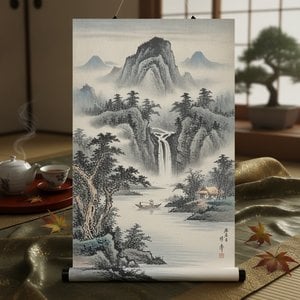
Serenity on Canvas: A Guide to the Timeless Beauty of Japanese Landscape Painting
Discover the serene beauty of Japanese landscape painting. From Hokusai's iconic woodblock prints to meditative sumi-e ink washes, explore a visual journey through the 'floating world' and learn how to bring this timeless Zen aesthetic into your modern home decor.

