


 Náhled
 Sdílet
 Sdílet
 Podrobnosti o díle

 Stáhnout
 Podobné položky
 Rentgenové snímky
 Slideshow
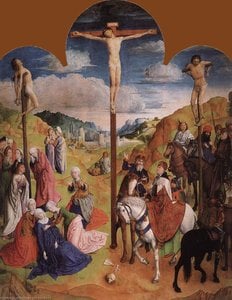
Calvary Triptych
 Early Netherlandish Painting
 1465
1465 250.0 x 216.0 cm
 Katedrála svatého Vaďa
 Zobrazit více
Giclée / Umělecký tisk
Giclée nebo plátěný tisk muzeální kvality s rychlou výrobou a flexibilními možnostmi povrchové úpravy. ( Koupit ručně malovaný obraz Koupit obrázek)




P118B $10

P118H $10

P118W $10

P438Z $10

P508JH $12

P508YH $12

P805H $10

P805Z $10

P919BZ $10

P919G $10

P919XJ $10

P959ZH $10

P968JZ $12

W106C $8

W218G $10

W218JH $8

W218Y $10

W307PJ $10

W316G $10

W316PJ $8

W316Y $10

W398PJ $8

W4111J $10

W500HY $15

W500JH $15

W692G $12

W849H $8

W940BG $15

W953PJ $8




Vyberte si z našich přednastavených velikostí, které odpovídají původním proporcím díla.

Můžete zadat vlastní rozměry tak, aby výtvor odpovídal konkrétnímu rámu nebo prostoru. Pokud zvolená velikost nebude odpovídat poměru stran původního obrazu, dílo buď ořížeme, nebo obraz rozšíříme pomocí zrcadlového efektu či jednobarevného okraje. Před zahájením výroby vám bude zaslán digitální náhled k schválení.
Mějte prosím na paměti, že náhled na obrazovce neodráží skutečné oříznutí nebo rozšíření. Pouze digitální náhled přesně zobrazí finální kompozici.
Ačkoliv jsou k dispozici i vlastní rozměry, pro zachování původních proporcí doporučujeme vybrat si rozměr z předdefinovaného seznamu.
Celosvětové doručení () do 2 týdnů namísto standardních 4/5 týdnů. (21 srpen)

Zdarma celosvětová expresní doprava

Vysoce kvalitní lněné plátno

Kompletní přepravní pojištění

Záruka vrácení celního poplatku

Záruka přesného barevného shodu

60denní lhůta pro vrácení zboží (pouze při vadách výroby)

100% garance vrácení peněz

Sleva při hromadné objednávce
 Skleněná varianta je dostupná pouze u rozměrů menších než 110 cm

Calvary Triptych
Giclée / Umělecký tisk
Rozměry reprodukce
-


Celková cena za výběr
$ 62
Popis sběratelského kousku
The Calvary Triptych: A Flemish Masterpiece of Suffering and Salvation
The Calvary Triptych, created in 1465 by the pioneering Flemish artist Hugo van der Goes, stands as a monumental achievement within the Northern Renaissance. Housed within the magnificent Cathedral of St Bavo in Ghent, Belgium, this oil-on-panel triptych is more than just a religious depiction; it’s a profound exploration of human emotion, faith, and the drama of Christ's Passion. Van der Goes, a revolutionary figure who moved beyond the stylized conventions of his predecessors, imbued this work with an unprecedented level of realism, psychological depth, and emotional intensity – characteristics that would profoundly influence generations of artists to come.
The triptych’s composition is meticulously organized across three panels. The left panel presents a vibrant tableau of everyday life: figures engaged in various activities—preparing food, tending to children, and interacting with one another—creating a sense of immediate familiarity. This seemingly secular scene serves as a powerful contrast to the central panel, which dominates the work with its arresting depiction of Christ’s crucifixion. The figure of Jesus is rendered with astonishing anatomical accuracy and emotional vulnerability, his body contorted in agony, yet radiating an undeniable serenity. The stark realism of his suffering is juxtaposed against the somber backdrop of the cross and the surrounding figures of grief.
The right panel continues this narrative of sorrow and contemplation, showcasing a group of onlookers—some mourning, others observing with detached curiosity – reflecting on the events unfolding before them. The clothing of these figures, rendered in rich detail, speaks to their social standing and adds another layer of complexity to the scene. Van der Goes’ masterful use of light and shadow creates a dramatic interplay between illumination and darkness, emphasizing the emotional weight of the crucifixion and drawing the viewer's eye towards the central figure.
Technique and Style: A Renaissance Breakthrough
Van der Goes’ artistic approach was revolutionary for his time. He employed the technique of “glazing,” applying thin layers of oil paint to build up color and depth, creating a luminous quality rarely seen in Flemish painting at that period. This meticulous layering allowed him to achieve an astonishing level of detail, capturing the textures of fabrics, the nuances of skin tones, and the subtle gradations of light and shadow with remarkable precision. His use of perspective is also noteworthy; while not entirely adhering to strict mathematical rules, he creates a convincing sense of space and depth, drawing the viewer into the scene.
The painting’s style can be categorized as Early Netherlandish, but Van der Goes pushed beyond the established conventions. He moved away from the stylized figures and flattened perspective of earlier Flemish art, opting for a more naturalistic representation of human form and emotion. His palette is rich and vibrant, utilizing warm reds, blues, and golds to create a visually arresting composition. The artist’s attention to detail extends to every element of the painting—from the folds of the drapery to the expressions on the faces of the figures—demonstrating his exceptional skill and artistic vision.
Symbolism and Historical Context
The Calvary Triptych is deeply rooted in Christian symbolism. The crucifixion itself represents Christ’s sacrifice for humanity's sins, while the surrounding figures embody various aspects of human emotion – grief, compassion, judgment, and contemplation. The inclusion of scenes from the Old Testament—the story of Moses striking water with his staff and the episode of the brazen serpent—references the covenant between God and his people and foreshadows Christ’s role as a savior. The triptych was likely commissioned for a religious institution, serving as a powerful visual reminder of the central tenets of Christian faith.
Created during a period of significant artistic and cultural change in Europe, the Calvary Triptych reflects the growing interest in realism and humanism that characterized the Renaissance. Van der Goes’ work foreshadowed the developments of Italian Renaissance painting, particularly the emphasis on naturalistic representation and psychological depth. The triptych's influence can be seen in the works of subsequent Flemish artists, who continued to build upon his innovative techniques and artistic vision.
A Timeless Masterpiece
The Calvary Triptych remains a profoundly moving and intellectually stimulating work of art. Its dramatic composition, meticulous detail, and powerful symbolism continue to captivate viewers centuries after its creation. More than just a depiction of a biblical event, it’s an exploration of the human condition—a meditation on suffering, faith, and redemption. A visit to the Cathedral of St Bavo in Ghent is essential for anyone seeking to experience this extraordinary masterpiece firsthand.
Podobná umělecká díla


Biografie umělce
A Pioneer of Flemish Realism: The Life and Art of Hugo van der Goes
Born around 1440 in the vibrant artistic hub of Ghent, Belgium, Hugo van der Goes emerged as a pivotal figure in the Northern Renaissance. Though shrouded in some mystery—details of his early life remain scarce—his impact on the development of painting during the latter half of the 15th century is undeniable. Van der Goes wasn’t merely a painter; he was an innovator who profoundly altered the course of artistic expression, influencing masters both within Flanders and across the burgeoning Italian Renaissance. He entered the Ghent painters' guild in 1467, marking his formal establishment as a master craftsman, yet it was his unique vision—a blend of intense realism, psychological depth, and dramatic composition—that would set him apart. Before Van der Goes, Flemish painting, while technically brilliant, often adhered to established conventions; he dared to break from these traditions, imbuing his work with an unprecedented level of human emotion and tangible reality.Life and Early Career
The precise details of Hugo van der Goes’s early life remain elusive, lost in the mists of historical record. What is known is pieced together from guild records and contemporary accounts, revealing a man who likely received his initial training in Ghent itself. He first appears documented in 1467 as a master within the painters' guild, alongside figures like Joos van Wassenhove and Daneel Ruthaert – individuals whose artistic styles would later influence his own. His early commissions were primarily for civic projects—heraldic decorations for Charles the Bold’s grand entry into Ghent in 1469, a testament to his skill in capturing power and authority through visual representation. This period also saw him working on elaborate designs for the city's celebrations, showcasing his versatility as an artist. In 1468, he was tasked with creating decorations for the marriage of Margaret of York and Charles the Bold, further establishing his reputation within the artistic circles of Flanders. A significant turning point in Van der Goes’s life occurred when he accepted a position as a lay brother at the Roode Klooster monastery near Auderghem around 1477. This decision, shrouded in some mystery, marked a dramatic shift from his previous career and suggests a profound spiritual transformation or perhaps a struggle with inner turmoil. Despite taking vows of silence and dedicating himself to religious life, he continued to accept commissions, demonstrating an unwavering commitment to his craft. Notably, he undertook the challenging task of evaluating unfinished works by Dieric Bouts for the city of Leuven, highlighting his expertise and recognition within the artistic community. However, this period was also marked by increasing bouts of depression and psychological distress, culminating in a tragic death in 1482. The circumstances surrounding his demise remain debated, but it’s believed he succumbed to despair after a severe breakdown.The Portinari Triptych: A Masterpiece of Emotional Depth
Van der Goes's most celebrated achievement is undoubtedly the Portinari Triptych, commissioned by Tommaso Portinari, an Italian banker residing in Bruges, around 1475. This monumental work—now housed in the Uffizi Gallery in Florence—is a profound exploration of faith, family, and human emotion. The triptych depicts the Nativity scene, with a central panel showcasing the Adoration of the Shepherds. Van der Goes masterfully captures the raw emotions of the figures – the shepherds’ awe, the Virgin Mary's serene contemplation, and the infant Jesus’ vulnerability—with an unprecedented level of psychological realism. The use of color is particularly striking, employing somber hues to create a sense of gravity and spiritual intensity. The composition itself is dynamic and engaging, drawing the viewer into the scene with its dramatic lighting and intricate details. The influence of this masterpiece extended far beyond Florence, inspiring artists like Domenico Ghirlandaio who sought to emulate Van der Goes’s innovative approach to realism and emotional expression.Technique and Artistic Innovations
Hugo van der Goes's artistic style was characterized by a radical departure from the stylized conventions prevalent in earlier Flemish painting. He rejected the idealized figures and flat perspectives of his predecessors, instead imbuing his works with a remarkable sense of immediacy and tangible reality. His use of color was deliberate and often somber, creating a powerful emotional impact. Van der Goes’s monumental style—characterized by large-scale compositions and imposing figures—further amplified this effect. He didn't shy away from portraying imperfections; his figures often possess a raw, almost unsettling realism that distinguishes them from the more polished representations of his time. His meticulous attention to detail – particularly in rendering fabrics and textures – was revolutionary for its era. Furthermore, Van der Goes’s ability to convey inner states—awe, sorrow, reverence—through subtle gestures, expressive faces, and the careful manipulation of light and shadow set a new standard for portraiture and religious painting. The influence of Jan van Eyck’s meticulous detail is evident, but Van der Goes transcends imitation, forging a style uniquely his own.Legacy and Influence
Hugo van der Goes's legacy extends far beyond his relatively short lifetime. His innovative techniques and profound psychological insights paved the way for future generations of artists, both in Flanders and Italy. His work can be found today in prestigious museums such as the Musées royaux des Beaux-Arts in Brussels, offering a glimpse into the genius of this pioneering Flemish master. He remains a compelling figure—a testament to the power of art to capture the complexities of the human condition and to transcend cultural boundaries. His influence is still felt in contemporary art, demonstrating his enduring relevance as one of the most important artists of the Northern Renaissance.- His emphasis on realism influenced subsequent generations.
- The Portinari Altarpiece remains a landmark achievement in art history.
- His exploration of psychological depth set a new standard for portraiture and religious painting.

Hugo van der Goes
1440 - 1482 , Belgie
Rychlé fakta
- Artistic Movement Or Style: Severská renesance
- Artists Or Movements Influenced By This Artist:
- Domenico Ghirlandaio
- Italská renesance
- Artists Who Influenced This Artist:
- Jan van Eyck
- Dieric Bouts
- Date Of Birth: c. 1440
- Date Of Death: 1482
- Full Name: Hugo van der Goes
- Nationality: Flemish
- Notable Artworks:
- Portinari Altarpiece
- Monforte Altarpiece
- Place Of Birth: Ghent, Belgie
Související články

Hugo van der Goes: Devotion, Innovation & the Psychological Depth of Early Netherlandish Painting
Explore the revolutionary art of Hugo van der Goes – a master of Early Netherlandish painting renowned for his dramatic realism, psychological depth & profound influence on Renaissance artists. Discover his iconic works and lasting legacy.
Vincent van Gogh: Top 25 mistrovských děl pro váš domov | ArtsDot.cz
Prozkoumejte 25 nejlepších děl Vincenta van Gogha! Obrazy Slunečnic, Hvězdné noci a další mistrovská díla impresionismu. Reprodukce obrazů pro váš domov s ArtsDot.cz – inspirace a umění na dosah.

10 mistrovských děl rané nizozemské renesance – inspirace pro váš interiér
Objevte 10 ikonických děl rané nizozemské renesance – Jan van Eyck, Robert Campin a další mistři. Ponořte se do příběhů olejomalby, portrétů a symboliky. Najděte inspiraci pro váš interiér s reprodukcemi nejvyšší kvality na ArtsDot.com

10 mistrovských děl rané nizozemské malby, které změnily umění | ArtsDot
Objevte 10 ikonických děl rané nizozemské malby – Jan van Eyck, Rogier van der Weyden a další mistři. Ponořte se do renesanční techniky a historie umění s ArtsDot.com! Prohlédněte si reprodukce obrazů pro váš interiér.

Rembrandt van Rijn: Top 25 mistrovských děl pro váš interiér | ArtsDot.cz
Prozkoumejte 25 nejlepších děl Rembrandta van Rijna – od portrétů po biblické scény. Objevte příběhy, techniky a inspiraci nizozemského baroka. Reprodukce obrazů pro váš interiér na ArtsDot.cz.



