


 Zobrazit v interiéru
 Odeslat
 Sdílet
 Podrobnosti
 Průvodce

 Stáhnout obrázek
 Podobné kousky
 Rentgenové snímky
 Slideshow
 Statistiky
Painters
 Acrylic On Canvas
- WallArt
- Romanticism
 1790
1790 24.0 x 32.0 cm
 Státní Ermitáž
 Přečíst si více
Giclée / Umělecký tisk
Giclée nebo plátěný tisk muzeální kvality s rychlou výrobou a širokou nabídkou povrchových úprav. ( Objednat ručně malovanou reprodukci Přepnout na digitální verzi obrazu)




P118B Kč10

P118H Kč10

P118W Kč10

P438Z Kč10

P508JH Kč12

P508YH Kč12

P805H Kč10

P805Z Kč10

P919BZ Kč10

P919G Kč10

P919XJ Kč10

P959ZH Kč10

P968JZ Kč12

W106C Kč8

W218G Kč10

W218JH Kč8

W218Y Kč10

W307PJ Kč10

W316G Kč10

W316PJ Kč8

W316Y Kč10

W398PJ Kč8

W4111J Kč10

W500HY Kč15

W500JH Kč15

W692G Kč12

W849H Kč8

W940BG Kč15

W953PJ Kč8




Vyberte si z našich přednastavených velikostí, které odpovídají původním proporcím díla.

Můžete zadat vlastní rozměry tak, aby výtvor odpovídal konkrétnímu rámu nebo prostoru. Pokud zvolená velikost nebude odpovídat poměru stran původního obrazu, dílo buď ořížeme, nebo obraz rozšíříme pomocí zrcadlového efektu či jednobarevného okraje. Před zahájením výroby vám bude zaslán digitální náhled k schválení.
Mějte prosím na paměti, že náhled na obrazovce neodráží skutečné oříznutí nebo rozšíření. Pouze digitální náhled přesně zobrazí finální kompozici.
Ačkoliv jsou k dispozici i vlastní rozměry, pro zachování původních proporcí doporučujeme vybrat si rozměr z předdefinovaného seznamu.
Celosvětové doručení () do 2 týdnů namísto standardních 4/5 týdnů. (11 říjen)

Zdarma celosvětová expresní doprava

Vysoce kvalitní lněné plátno

Úplné pojištění přepravy

Záruka vrácení celního poplatku

Záruka věrného barevného shodu

100dení lhůta pro vrácení zboží (pouze při vadách výroby)

100% garance vrácení peněz

Sleva při více objednávkách
 Skleněná varianta je dostupná pouze u rozměrů menších než 110 cm

Painters
Giclée / Umělecký tisk
Velikost reprodukce
-


Celková cena
Kč 1294
Hubert Robert’s “Painters”: A Vision of Ruin and Remembrance
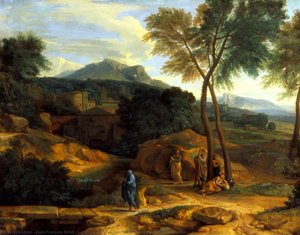
Hubert Robert's "Painters," painted in 1790, isn’t merely a depiction of laborers at work; it’s a carefully constructed meditation on labor, time, and the enduring power of memory. The scene unfolds within a rugged, almost theatrical landscape – a dramatic vista dominated by a towering rock formation, its weathered surface hinting at centuries of exposure to the elements. Two figures, rendered with a subtle realism that belies Robert's penchant for romanticized ruins, are engaged in the arduous task of carving stone. One, positioned atop the rock, directs the work with a commanding presence, while the other, lower down, meticulously shapes the material beneath him. The composition isn’t about capturing a specific moment; it’s about evoking a feeling – a sense of timelessness and the relentless passage of time, beautifully intertwined with the human effort to impose order upon nature.
Robert's style is distinctly rooted in the Neoclassical tradition, yet infused with the burgeoning Romantic sensibility that was beginning to challenge its rigid formality. He masterfully employs atmospheric perspective – the subtle blurring and darkening of distant elements – to create a profound sense of depth and space. The light, diffused and golden, washes over the scene, casting long shadows and highlighting the textures of the rock and the figures’ clothing. Notice how Robert utilizes loose brushstrokes, particularly in the depiction of the landscape, creating an impressionistic effect that anticipates later developments in art history. This deliberate softness contrasts with the sharper detail given to the men themselves, suggesting a focus on their individual struggles within the grand scheme of nature.
The Context of Labor and Ruin
To fully appreciate “Painters,” it’s crucial to understand Robert's artistic interests – particularly his fascination with ruins. Following the upheavals of the French Revolution, a renewed interest in antiquity and the past emerged, fueled by archaeological discoveries and a desire to reconnect with a perceived lost sense of order and stability. Robert, like many artists of his time, found inspiration in the decaying grandeur of Roman temples and medieval castles, transforming these remnants into evocative landscapes – ‘capriccios’ as he called them. These weren't simply artistic exercises; they were explorations of memory, loss, and the cyclical nature of history. The very act of painting ruins became a way to preserve a fading past, imbuing it with new life and meaning.
The figures depicted in “Painters” represent a specific segment of 18th-century French society – laborers engaged in essential but often overlooked work. Robert’s choice to portray them within such a dramatic landscape elevates their status, suggesting that even the most humble tasks are worthy of artistic attention. The scene subtly critiques the social hierarchies of the time, presenting these men not as mere workers, but as active participants in shaping the world around them. The rock formation itself can be interpreted as a symbol of enduring strength and resilience – a testament to the power of human labor against the forces of nature.
Symbolism and Emotional Resonance
Beyond its straightforward depiction of work, “Painters” is rich in symbolic meaning. The towering rock formation, with its weathered surface, represents the weight of history and the passage of time. The figures’ focused expressions convey a sense of dedication and perseverance, but also hint at the physical strain of their labor. Robert's use of color – predominantly earthy tones punctuated by flashes of gold – evokes feelings of warmth, nostalgia, and perhaps even melancholy. The overall effect is one of quiet contemplation, inviting the viewer to reflect on the relationship between humanity and nature, work and memory.
The inclusion of animals—a horse and a dog—adds another layer of complexity to the scene. Animals have long been associated with labor and service in art, symbolizing loyalty, strength, and connection to the natural world. Their presence reinforces the theme of human interaction with the environment, suggesting a harmonious coexistence – albeit one marked by hard work and enduring effort. “Painters” is not simply a landscape; it’s a carefully orchestrated tableau that speaks volumes about the values and anxieties of its time.
A Timeless Masterpiece: Reproduction Considerations
Reproductions of Hubert Robert's “Painters” offer a remarkable opportunity to bring this evocative artwork into your home or office. The meticulous detail captured by Robert’s brushstrokes, combined with his masterful use of light and shadow, translates beautifully to high-quality reproductions. When selecting a reproduction, pay close attention to the texture and color accuracy – features that are crucial for capturing the painting's atmospheric depth and emotional resonance. ArtsDot offers meticulously crafted hand-painted reproductions that faithfully recreate Robert’s original vision, ensuring that you experience the full impact of this timeless masterpiece.
Otázky a odpovědi
Je „Painters“ od Hubert Robert obrazem, kresbou nebo grafikou?
„Painters“ je dílo typu WallArt.
V jakém roce byl vytvořen "Painters"?
Vznik díla „Painters“ od Hubert Robert se datuje do roku 1790.
Jakým způsobem spolu barvy díla "Painters" navazují?
Barevná harmonie díla "Painters" je hodnocena jako Strong Color Unity.
Do kterého směru a do jaké éry spadá dílo „Painters“ od Hubert Robert?
V díle „Painters“ od Hubert Robert se setkává směr Romanticism s érou – Raná modernita.
Kdo je autorem díla "Painters"?
Dílo "Painters" se připisuje autorovi Hubert Robert.
Jaká technika byla použita u díla "Painters" a kdy bylo vytvořeno?
Dílo "Painters" vzniklo v roce 1790 za použití techniky Acrylic On Canvas.
Kolik let bylo Hubert Robert, když v roce 1790 vytvořil(a) dílo „Painters"?
Když bylo dílo „Painters“ vytvořeno v roce 1790, měl/a Hubert Robert – narozen/a 1733 – 57 let.
Související díla


Biografie umělce
Hubert Robert (1733–1808): A Visionary Painter of Ruins and Time
Hubert Robert, jméno synonymum s evokativními krajinami a romantickou krásou ruin, zaujímal v 18. století francouzské umění jedinečnou pozici. Narodil se v Paříži v roce 1733 a jeho život se rozvíjel proti pozadí měnících se uměleckých stylů a monumentálních historických změn – od hravé elegance Rokoka až po nástup Neoklasicismu, a nakonec i prostřednictvím bouřlivých let Francouzské revoluce. Nebyl to jen dokumentant rozkladu; vytvářel vize, kombinoval pozorování s představivostí, aby vytvořil scény, které rezonovaly jak s nostalgickou touhou po minulosti, tak s očekáváním budoucnosti. Jeho cesta začala ve strukturovaném světě uměleckého vzdělávání, původně pod sochařem Michel-Ange Slodtzem, který Robertovu talentu uznal, ale moudře ho nasměroval k malování, cítil, že jeho pravá vášeň spočívala v zachycení světla, atmosféry a jemné poezie tvaru.Roman Reveries: Shaping an Artistic Identity
Klíčový okamžik Robertova uměleckého vývoje nastal s jeho prodlouženým pobytem v Římě v roce 1754. Společně s Étienne-François de Choiseul, doprovázel ho svět ponořený do historie a architektonické grandeur. Po jedenáct let se tento starověký město stal jeho venkovním ateliérem, jeho rozpadlé chrámy, majestátní oblouky a overgrown zahrady poháněly jeho představivost. Nebyla to jen o replikaci toho, co viděl; šlo o interpretaci, přehodnocení a vložení do něj pocitu melancholické krásy. Pracoval vedle Giovanniho Paola Paniniho, jehož vliv je patrný v Robertových raných *capriccio* kompozicích – fantastických pohledech, které juxtaponovaly klasické ruiny s moderním životem. Nicméně Robert rychle šel dál od imitace, vyvinul si vlastní jedinečný styl charakterizovaný pečlivým detailem, atmosférickou perspektivou a hlubokou citlivostí na hru světla a stínu. Nevytvářel jen ruiny; maloval čas samotný, zachycoval zřetelnost přechodnosti a trvalý vliv paměti. Jeho cestovní zápisky z tohoto období jsou neocenitelnými záznamy o jeho pozorováními, plnými detailních studií římských památek, jako je Villa d’Este a Caprarola, které demonstrují jeho oko pro architektonickou nuanci a krajinnou kompozici.Parisian Acclaim and Royal Patronage
Robertův návrat do Paříže v roce 1765 znamenal obrat ve jeho kariéře. Rychle získal uznání v uměleckém prostředí, získal přijetí do Královské akademie malby a sochařství s “Portem Říma” a zdůraznil svou schopnost evokovat majestátní obrazy. Denis Diderot, významná postava osvícenosti, slavně ocenil grandióznost vyvolanou Robertovými malbami, rozpoznávaje jeho schopnost přenést diváky do jiné doby a místa. Tento úspěch vedl k královskému sponzorství, s pověřením pracovat na dekorativních projektech a jmenováním “Návrhářem Královských zahrad” a později, “Strážcem Královských obrazů”. Stal se žádaným umělcem, nejen pro své obrazové malby, ale také pro své inovativní návrhy zahrad a palácových interiérů. Jeho práce rezonovala s převládajícím vkusem *capriccio* malování – žánru, který oslovoval sběratele fascinovaných historií, archeologií a krásou. Robert však do něj vložil jedinečný cit, zvedl ho nad pouhou dekorativní umění.Revolution, Resilience, and Lasting Legacy
Francouzská revoluce představila bezprecedentní výzvu pro Roberta. Zatímco mnoho umělců se potýkalo s turbulentním politickým klimatem, on sám se ocitl v proudech změn. Dokonce byl během Teroru uvězněn, hrůzný zážitek, který přesto inspiroval sérii studií dokumentujících jeho pobyt ve vězení. Díky revoluci byl Robert jmenován kurátorem nově založeného Centrálního muzea umění – budoucího Louvru, což bylo svědectví o jeho odbornosti a oddanosti zachování kulturního dědictví. Hrála klíčovou roli při organizaci a katalogizaci sbírky muzea, zajišťující, že díla Francie budou chráněna pro budoucí generace. Hubert Robert zemřel v Paříži v roce 1808, zanechávaje za sebou mimořádný soubor děl, které dodnes inspirují úžas a obdiv. Jeho dědictví nespočívá pouze ve své technické mistrovství, ale také v jeho jedinečné schopnosti kombinovat historickou přesnost s představivým viděním. Byl průkopníkem žánru malování, který oslavoval krásu rozkladu i trvalý vliv lidské kreativity.- Key Influences: Giovanni Paolo Panini, Piranesi, the architectural landscape of Rome.
- Major Themes: Ruins, landscapes, *capriccio* paintings, historical memory, the passage of time.
- Artistic Style: Meticulous detail, atmospheric perspective, evocative lighting, blending observation with imagination.

Hubert Robert
1733 - 1808 , Francie
Rychlé informace
- Artistic Movement Or Style: Rokokový a klasický
- Artists Or Movements Influenced By This Artist: ['Renesance']
- Artists Who Influenced This Artist:
- Giovanni Panini
- Piranesi
- Date Of Birth: 22. května 1733
- Date Of Death: 15. dubna 1808
- Full Name: Hubert Robert
- Nationality: Francouzský
- Notable Artworks:
- Port Říma
- Let Galatey
- Place Of Birth: Paříž, Francie
Související články

Romantická krajina v malbě: 10 mistrovských děl, které definovaly umělecký proud | ArtsDot
Prozkoumejte 10 ikonických děl romantické krajinářské malby! Objevte příběhy Caspara Davida Friedricha, Turnera a dalších mistrů. Reprodukce obrazů nejvyšší kvality pro váš interiér na ArtsDot.com.

Hubert Robert: Picturing Ruins, Preserving Memory – A Study of Romantic Antiquarianism & Artistic Innovation
Explore the captivating world of Hubert Robert, master of Romantic landscape painting & 'capriccio' ruins. Discover his historical context, artistic innovations, and collecting insights with ArtsDot.

Paul Huet: Capturing the Essence of French Romanticism Through Light and Landscape
Explore the captivating world of Paul Huet (1803-1869), a master of French Romantic landscape painting. Discover his influence on Barbizon & Impressionism, and browse high-quality reproductions at ArtsDot.

John Constable: 25 mistrovských děl krajinářské poezie | ArtsDot.com
Prozkoumejte 25 ikonických děl Johna Constabla, mistra anglického krajinářství a romantismu. Obdivujte jeho olejomalby, plátna s venkovskou atmosférou a inspirujte se pro dekoraci interiéru. Reprodukce obrazů nejvyšší kvality na ArtsDot.com

Evocations of Place: A Historical Journey Through Landscape Art
Explore the rich history of landscape art with ArtsDot. Discover renowned artists, movements like Impressionism & Romanticism, and expert guidance for collecting timeless pieces. Find your perfect serene escape today!


