


 Zobrazit v interiéru
 Odeslat
 Sdílet
 Podrobnosti
 Průvodce

 Stáhnout obrázek
 Podobné kousky
 Rentgenové snímky
 Slideshow
 Statistiky
Eve Disconsolate
 Neoclassicism
 1877
1877 198.0 x 57.0 cm
 Přečíst si více
Giclée / Umělecký tisk
Giclée nebo plátěný tisk muzeální kvality s rychlou výrobou a širokou nabídkou povrchových úprav. ( Objednat ručně malovanou reprodukci Přepnout na digitální verzi obrazu)




































Vyberte si z našich přednastavených velikostí, které odpovídají původním proporcím díla.

Zadejte šířku a výšku, které potřebujete pro váš rám nebo stěnu. Tisk lze pouze oříznout, nikdy však nelze zvětšit obraz nad jeho původní rozměr, proto při výběru jiného formátu dochází ke ztrátě části obrazu. Před samotným tiskem vám zašleme digitální náhled k schválení. Obraz zobrazený na této stránce nenabízí skutečný výřez — ten uvidíte pouze v náhledu.
Celosvětové doručení () do 2 týdnů namísto standardních 4/5 týdnů. (22 říjen)

Zdarma celosvětová expresní doprava

Vysoce kvalitní lněné plátno

Úplné pojištění přepravy

Záruka vrácení celního poplatku

Záruka věrného barevného shodu

100dení lhůta pro vrácení zboží (pouze při vadách výroby)

100% garance vrácení peněz

Sleva při více objednávkách
 Skleněná varianta je dostupná pouze u rozměrů menších než 110 cm

Eve Disconsolate
Giclée / Umělecký tisk
Velikost reprodukce
-


Celková cena
Kč 1327
Otázky a odpovědi
Do kterého směru a do jaké éry spadá dílo „Eve Disconsolate“ od Hiram Powers?
Dílo „Eve Disconsolate“ od Hiram Powers spadá do směru Neoclassicism, v rámci 19th Century éry svého autora.
Co má dílo „Eve Disconsolate“ společného se zbytkem tvorby umělce Hiram Powers?
Dílo „Eve Disconsolate“ sdílí s ostatními pracemi umělce Hiram Powers charakteristický styl Neoclassicism a opakující se témata: classical ideals, roman influence, neoclassical beauty, virtue", power of female form, "signature sculpture.
K kterému uměleckému směru patří „Eve Disconsolate“ od Hiram Powers?
Dílo „Eve Disconsolate“ od Hiram Powers patří k období směru Neoclassicism. Tento směr poskytuje dílu jeho stylistický kontext.
Související díla


Biografie umělce
The Sculptor Who Brought Greece to America
Hiram Powers (1805 – 1873) stands as a pivotal figure in the history of American art, marking one of the earliest instances of an artist achieving international acclaim based on sculptural prowess. Born in Woodstock, Vermont, his journey from humble beginnings to celebrated sculptor embodies the spirit of self-reliance and artistic ambition that characterized the burgeoning nation. His legacy resides not merely in individual masterpieces but also in establishing a precedent for American artists to pursue excellence beyond domestic borders.
Powers’ formative years instilled within him a profound appreciation for craftsmanship and observation—skills honed during his brief stint as a clerk in Cincinnati's general store. However, it was his encounter with Frederick Eckstein, Cincinnati’s pioneering clockmaker and sculptor, that truly ignited his artistic passion. Eckstein recognized Powers’ talent and encouraged him to immerse himself in the study of modeling and casting techniques, propelling him toward mastery of stone carving and bronze fabrication. This dedication would prove instrumental in shaping his distinctive style—characterized by idealized figures imbued with classical elegance and informed by Roman sculptural traditions.
A Journey Through Classical Idealism
A significant turning point arrived when Powers secured a position as general assistant and artist at Joseph Dorfeuille’s Western Museum, fostering connections with influential naturalist Louis Agassiz. Here, he undertook ambitious projects inspired by Dante's Inferno, producing stunning marble representations of scenes from the epic poem that captivated audiences and cemented his reputation as a visionary sculptor. Notably, Fanny Trollope championed Powers’ career by commissioning him to sculpt Dante’s “Commedia,” securing him considerable recognition within literary circles.
The zenith of his career was undoubtedly reached with the creation of The Greek Slave (1843). This breathtaking marble sculpture, depicting a captive woman with an expression of quiet dignity and sorrow, became a sensation. It did more than just showcase his technical ability to render the softness of skin in cold stone; it tapped into the contemporary American zeitgeist regarding liberty and morality. Through this work, Powers achieved what few of his contemporaries could: a truly international reputation that bridged the gap between the rugged American identity and the refined aesthetics of European Neoclassicism.
Legacy and the Florentine Years
As his fame grew, so did his geographic reach. By 1834, Powers relocated to Washington, D.C., where he quickly gained prominence through portraits of prominent figures. Eventually, seeking the heart of the classical tradition, he moved to Florence, Italy. This relocation allowed him to immerse himself in the very cradle of the Renaissance and Neoclassical ideals that informed his work. In Florence, his studio became a hub for artists and intellectuals, and he continued to produce works that blended mythological themes with profound human emotion.
His later works, such as Proserpine and Last of the Tribe, demonstrate a continuing evolution of thought:
- Proserpine: A masterful bust exploring the tragic beauty of Roman mythology through the lens of divine abduction.
- Last of the Tribe: A poignant marble work that reflects on displacement and the enduring spirit of a vanishing culture.
- Portraiture: His ability to capture the lifelike essence of contemporary figures, such as Andrew Jackson, alongside his mythological subjects.
Hiram Powers passed away in Florence in 1873, leaving behind a body of work that remains a testament to the power of Neoclassicism. He did not merely imitate the ancients; he translated their grandeur into an American idiom, proving that the language of marble and light could speak to the soul of a new world.

Hiram Powers
1805 - 1873
Rychlé informace
- Full Name: Hiram Powers
- Nationality: American
- Date Of Birth: 1805
- Date Of Death: 1873
- Place Of Birth: Woodstock, Vermont
- Notable Artworks:
- The Greek Slave
- Fisher Boy
- Proserpine
- Eve Disconsolate
- Artistic Movement Or Style: Neoclassical Sculpture
- Artists Who Influenced This Artist: ['Frederick Eckstein']
- Artists Or Movements Influenced By This Artist: ['Horatio Greenough']
Související články

The Enduring Form: Sculpture Across History, Technique & Emotional Resonance
Explore the rich history of sculpture with ArtsDot. Discover key techniques, influential artists & investment potential for discerning collectors. Expert insights into valuing and collecting timeless masterpieces.

The Enduring Form: Exploring Themes & Techniques in Sculpture Across Historical Periods
Explore the rich history of sculpture from ancient masterpieces to contemporary innovations. Discover key techniques, influential artists & investment potential for discerning art collectors.

10 legendárních bronzových mistrovských děl, která změnila umění | ArtsDot
Objevte 10 legendárních bronzových mistrovských děl od Rodina, Donatella a dalších. Ponořte se do historie umění a nechte se inspirovat nadčasovými sochařskými replikami pro váš interiér. Prozkoumejte celou kolekci online na ArtsDot.com!
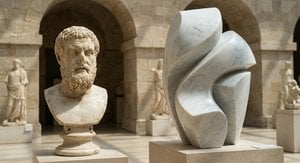
The Enduring Allure of Marble in Art History: From Classical Sculpture to Modern Abstraction
Explore the captivating history of marble sculpture from ancient Greece to modern art. Discover renowned artists like Canova & Michelangelo, carving techniques, and investment insights at ArtsDot.

10 legendárních bronzových soch, které změnily umění | ArtsDot
Objevte 10 legendárních bronzových soch od Michelangela, Rodina a dalších mistrů! Ponořte se do historie umění, technik a příběhů za těmito nadčasovými díly. Najděte inspiraci pro váš interiér s ArtsDot.com – repliky nejvyšší kvality.