


The picture follows your choices: , .
Popis sbírného předmětu
Henry Raeburn's 'Mrs. Charles Steuart' captures elegance and refinement with exquisite detail. This captivating portrait, painted in 1794, showcases the artist’s mastery of light, shadow, and subject portrayal.
 Zobrazit více
Biografie umělce
Sir Henry Raeburn (1756–1823) byl průkopníkem skotského portrétního malíře, známého svým realistickým stylem a schopností zachytit charakter významných osobností. Objevte jeho umělecké dědictví!
Ručně malovaná olejová reprodukce
Rukou malované olejné plátno v libovolném rozměru i s rámem, vyrobené našimi umělci na zakázku. ( Přepnout na tisk Přepnout na digitální obraz)
More about this painting
 Náhled v interiéru
 Sdílet
 Sdílet
 Podrobnosti o díle
 Průvodce

 Stáhnout
 Podobné položky
 Rentgenové snímky
 Slideshow
 Q&A
Q&A Statistiky
Order your painting in four simple steps
Take your time. You can change any answer; the price in your order card follows each choice.
1 Step one of four
Which size would you like?
These sizes keep the proportions of the original painting. The drawing shows your choice on a wall, above a two-metre sofa.
Or give your own measurements
Vyberte si z našich přednastavených velikostí, které odpovídají původním proporcím díla.

Zadejte šířku a výšku, které potřebujete pro váš rám nebo stěnu. Protože se jedná o ruční malbu, při výběru jiného formátu může umělec kolem obrazu domalovat o něco více, nebo jej mírně oříznout — rozhodnete si vy. Před zahájením malby vám zašleme digitální náhled ke schválení. Obraz zobrazený na této stránce neodpovídá skutečnému výsledku — pouze digitální náhled jej zobrazuje.
2 Step two of four
How should it be prepared: rolled, stretched or framed?
The prices below are for the size you chose in step one.
Choose the edges of the stretched canvas
Choose your frame

White Kč1

Blurside Kč1

Extended Kč1

P118B Kč10

P118H Kč10

P118W Kč10

P438Z Kč10

P508JH Kč12

P508YH Kč12

P805H Kč10

P805Z Kč10

P919BZ Kč10

P919G Kč10

P919XJ Kč10

P959ZH Kč10

P968JZ Kč12

W106C Kč8

W218G Kč10

W218JH Kč8

W218Y Kč10

W307PJ Kč10

W316G Kč10

W316PJ Kč8

W316Y Kč10

W398PJ Kč8

W4111J Kč10

W500HY Kč15

W500JH Kč15

W692G Kč12

W849H Kč8

W940BG Kč15

W953PJ Kč8

H24-GOLD Kč30

H24-SILVER Kč30

H36-GOLD Kč45

H36-SILVER Kč45
V rámu
Moulding: . Overall size with the frame: .
3 Step three of four
Would you like anything changed in the painting?
Most people answer no. Because each painting is made by hand, our artist can also adapt it for you.
After order, ArtsDot.com team will email client for instructions and provide a mockup preview
4 Step four of four
A few finishing options
All of them are optional. The answers already selected cost nothing extra.
Who paints it?
Celosvětová doprava () za 3–4 týdny namísto standardních 5 týdnů. (2 listopad). Bez kompromisů v kvalitě.
A nameplate, as in a museum?
Detaily ryté bronzové plakety
This elegant plaque features the artist's name and the title of the artwork, finely engraved for a timeless presentation.
It is made from bronze with a refined, elegant finish. The text is precisely laser-engraved for a sharp and permanent result. Measuring 9x2 cm, the plaque is compact yet easy to read. It's built to be durable and scratch-resistant, offering a professional, museum-quality look. Mounting is simple thanks to the included adhesive backing.
Detaily průhledné akrylové desky
The plaque includes essential engraved details such as the artist's name, the title of the artwork, the date it was created, the type of media used-like oil on canvas or watercolor-a brief description of the piece, and a QR code that links to the complete artwork information.
It is crafted from clear acrylic, offering a sleek, modern appearance. The text is UV-engraved in black to ensure strong visual contrast. With a size of 10x15 cm, it ensures optimal readability. It comes equipped with two metal hooks for secure wall mounting. The plaque is designed to be weather-resistant, making it suitable for various environments, and it includes interactive features that work seamlessly with smartphone scanning.
Detaily černé akrylové destičky
This elegant plaque includes engraved information such as the artist's name, the title of the artwork, the date it was created, the type of media used (like oil on canvas or watercolor), a short description of the artwork, and a QR code for quick access to more information.
The plaque itself is made from refined black acrylic with a premium finish. The text is laser-engraved in white for high contrast and readability. Its size is 10x15 cm, designed to be easy to read. It comes with two metal hooks for professional mounting. The design is sleek and fits any interior style. It is also weather-resistant and durable, with built-in digital integration for mobile compatibility.
A protective varnish?
When do you need it?
✓ Check and order
Your painting, as you ordered it

Mrs Charles Steuart
Technika reprodukce
Rozměry reprodukce
-

Vybraní mistři umění
Vyšší míra detailu, jemnosti a delší doba výroby
-

Možnosti rámování reprodukcí
-
-
U děl nebo reprodukcí, u nichž je jakákoliv strana větší než 105 cm (přibližně 41 palců), bude rám dodán jako sestava v rozloženém stavu. Tato metoda zajišťuje bezpečné doručení a chrání dílo před poškozením během přepravy.
Vyžaduje se odborná montáž – nejedná se o produkt pro svépomocnou realizaci (DIY).
Sestava musí být složena a plátno napnuto zkušeným profesionálním rámovačem s použitím dřevěného lepidla (není součástí balení), kleští na napínání plátna a svorek pro udržení pravých úhlů křížů během schnutí lepidla. Nesprávná montáž nebo nerovnoměrné napnutí plátna může způsobit trvalé poškození uměleckého díla, které není kryto naší zárukou.
 U děl nebo reprodukcí, u nichž je jakákoliv strana větší než 105 cm (přibližně 41 palců), bude rám dodán jako sestava v rozloženém stavu. Tato metoda zajišťuje bezpečné doručení a chrání dílo před poškozením během přepravy.
Jsou zahrnuty všechny lišty z masivního dřeva, přesně na míru nařezané.
Sestavuje se pomocí součástí balení (šroubů), plus dřevěného lepidla na rohové spoje, které není součástí balení a musí jej zajistit váš rámovač.
Vyžaduje se profesionální nářadí, které není součástí sady: kleště na napínání plátna a svorky pro udržení kolmosti příček během schnutí lepidla.
Důležité:
Spoje v rozích vyžadují lepidlo na dřevo, tyčinky musí být přichyceny pomocí svorek, dokud lepidlo zcela neuschne, a pro napnutí plátna na sestavený rám je zapotřebí kleští na natahování plátna. Žádný z těchto náčiní není součástí sady. Před objednáním této velikosti prosím zajistěte zkušeného profesionálního rámovače.

Popisek díla
-
-

Ochranný lak
Lesklý lak (zvýrazňuje barvy, chrání před světlem a vlhkostí)
-

Přizpůsobit své umělecké dílo
Příklady možných úprav: nahrazení obličeje fotografií zákazníka; přidání domácího mazlíčka (např. výměna kočky za psa); vložení skrytého vzkazu do pozadí; změna krajiny nebo prvků v pozadí.
-

Prioritní doručení
Celosvětové doručení () za 3–4 týdny namísto standardních 5 týdnů. (2 listopad). Bez kompromisů v kvalitě.
-
Expresní doručení
Celosvětová doprava () do 5 týdnů. (9 listopad).
V ceně
Celková cena za vybrané možnosti reprodukcí
Kč 5711
Skleněná varianta je dostupná pouze u rozměrů menších než 110 cm
Included with every order
- Zdarma celosvětová expresní doprava
- Vysoce kvalitní lněné plátno
- Kompletní pojištění přepravy
- Záruka vrácení celního poplatku
- Záruka věrného barevného souladu
- 100dení lhůta pro vrácení zboží (pouze při vadách výroby)
- 100% záruka vrácení peněz
- Sleva při více objednávkách


A Portrait of Refined Elegance: Mrs Charles Steuart by Henry Raeburn
Henry Raeburn’s “Mrs. Charles Steuart,” painted in 1794, is more than just a portrait; it's a meticulously crafted window into the social and artistic sensibilities of late 18th-century Britain. This captivating oil on canvas, currently residing within the hallowed halls of the Tate Gallery in London, exemplifies Raeburn’s mastery of capturing not only likeness but also the very essence of his subject – her poise, grace, and subtle air of wealth. The painting immediately draws the eye to Mrs. Steuart herself, a woman radiating an understated elegance through her carefully chosen attire and direct gaze. Her white gown, adorned with delicate pearl accents, speaks volumes about her social standing, while her brown hair, styled in a fashionable manner of the period, adds to the overall impression of refined beauty.
Raeburn’s technique is characterized by an extraordinary sensitivity to light and shadow. He employs soft, diffused colors – creams, browns, and subtle blues – to create a sense of warmth and intimacy within the scene. The background, featuring a carefully rendered landscape with trees and a sky, serves not merely as a backdrop but as an integral element of the composition, subtly enhancing the feeling of depth and tranquility. Notably, Raeburn’s skill lies in his ability to imbue the portrait with a sense of immediacy; it feels less like a formal depiction and more like a captured moment, inviting the viewer into Mrs. Steuart's world.
The Context of a Scottish Master
To fully appreciate “Mrs. Charles Steuart,” one must understand Henry Raeburn’s place within the broader context of 18th-century British art. Born in Stockbridge, Scotland, in 1756, Raeburn initially pursued a career as a goldsmith before dedicating himself to painting. His early training under James Gilliland honed his precision and attention to detail – skills that would prove invaluable in his later portraiture work. Raeburn’s rise to prominence was remarkable; he became the first native Scottish painter to achieve widespread acclaim and royal patronage, a testament to his talent and ambition.
The painting reflects Raeburn's growing confidence as an artist, moving beyond the more rigid conventions of earlier portraiture styles. He embraced a looser, more naturalistic approach, capturing not just the outward appearance of his subjects but also their personalities and inner lives. This shift towards realism was partly influenced by his time in Italy, where he studied the works of Michelangelo and other masters, absorbing their techniques and philosophies.
Symbolism and Social Significance
Beyond its aesthetic qualities, “Mrs. Charles Steuart” offers a glimpse into the social dynamics of the era. Portraits like this were not merely decorative; they served as powerful symbols of status, wealth, and lineage. The elaborate gown, the pearl necklace – these details communicated Mrs. Steuart’s position within the social hierarchy. The direct gaze of the subject also suggests a degree of self-assurance and confidence, qualities highly valued in women of her station.
Furthermore, Raeburn's decision to portray Mrs. Steuart in such a dignified manner reflects the prevailing attitudes towards women during this period – they were often idealized as virtuous, gentle, and refined. However, beneath the surface of elegance lies a subtle complexity; the painting invites us to contemplate not just her outward appearance but also her inner world.
Discovering More of Henry Raeburn’s Works
For those captivated by “Mrs. Charles Steuart,” a wealth of resources is available for further exploration. The Tate Gallery's website offers detailed information about the painting, including high-resolution images and scholarly essays. Additionally, the Kendal Museum in the United Kingdom houses an impressive collection of artworks by Elias V. Coe, providing a broader context for understanding Raeburn’s artistic influences. Reproductions of “Mrs. Charles Steuart” are available through various sources, offering collectors and interior designers alike the opportunity to bring this timeless masterpiece into their own spaces.
The enduring appeal of “Mrs. Charles Steuart” lies in its ability to transport us back to a bygone era – a time of elegance, refinement, and artistic innovation. It is a testament to Henry Raeburn’s genius as a portrait painter and a valuable window into the social and cultural landscape of 18th-century Britain.
Otázky a odpovědi
Odkud pocházejí návštěvníci díla „Mrs Charles Steuart“ od Henry Raeburn?
Pro dílo „Mrs Charles Steuart“ je k dispozici stránka Statistiky. Zobrazuje měsíční počet návštěv tohoto díla i dalších děl daného umělce s rozpadem podle zemí a jazyků.
Jak je popsána barevná paleta díla „Mrs Charles Steuart“ od Henry Raeburn?
Paleta díla „Mrs Charles Steuart“ od Henry Raeburn je popsána jako Earthy. Jde o stručný popis barevného zpracování tohoto díla.
Jak se v díle "Mrs Charles Steuart" propojují kontrast a harmonie?
Barevná kompozice díla „Mrs Charles Steuart“ od Henry Raeburn spojuje Bold kontrast s Strong Color Unity harmonií.
Podobná díla


Henry Raeburn
1756 - 1823, Spojené království
Biografie umělce
A Scottish Master of Realism: The Life and Art of Sir Henry Raeburn
Sir Henry Raeburn, narozený v Stockbridge poblíž Edinburghu v roce 1756 a zemřelý v Edinburghu v roce 1823, byl klíčovou postavou britského portrétního malířství. Jeho život je příběhem o sebeurčení umělcem, který se z chudých začátků vypracoval na prvního rodilého skotského malíře, který dosáhl široké uznání a královské patronáže. Orphaned v raném věku, Raeburnova dětství byla ovlivněna podporou svého bratra Williama, který mu zajistil vzdělání na Heriot’s Hospital v Edinburghu. Toto základy byly zásadní, i když jeho počáteční cesta nevedla přímo k plátnu a štětec, ale k preciznímu řemeslu zlatníka pod Jamesem Gillilandem. V tomto světě složitého detailu a zdobného dovednosti Raeburn vypracoval přesnost, která později definovala jeho umělecký styl. Začal vytvářet miniaturní portréty na ebenové desce, což demonstrovalo vrozené talent pro zachycení podobností s pozoruhodnou přesností. Nicméně, brzy se ho lákal větší rozsah olejových maleb a odvážně se vydal na sebevzdělávací cestu k mistrovství tohoto náročnějšího média.Od Miniaturní Přesnosti k Velkorysým Portrétům
Raeburnova umělecká evoluce byla poznamenána neúnavným úsilím o dovednost. Absolvoval znalosti od Davida Martina, vedoucího portrétisty v Edinburghu, který byl asistentem Allana Ramsaye, ale spoléhal převážně na svou vlastní oddanost a pozorování. Jeho rané díla ukazují se rozvíjející talent, i když díky neustálým cvičením a ostrému oku pro detail začal odlišovat sám sebe. Klíčovým bodem se stal jeho sňatek s Annou Edgarovou, bohatou vdovou, v roce 1778. Toto spojení poskytlo finanční stabilitu, která mu umožnila plně se věnovat malbě bez omezení komerčních závazků. Zanikl v studiu děl mistrů, jako byl Joshua Reynolds, kterého potkal během krátké cesty do Londýna na cestě do Itálie – i když italská cesta byla nakonec zrušena. Raeburn’s style began to coalesce around a powerful realism, characterized by dramatic lighting and an ability to capture not just physical resemblance but also the inner character of his sitters. He possessed an extraordinary ability to convey the personality, status, and even the mood of his subjects. His technique was masterful – a combination of meticulous observation, confident brushwork, and a sophisticated understanding of light and shadow. The Young Polo Player, for example, is not simply a depiction of a sporting gentleman; it’s an energetic snapshot of youthful vitality and aristocratic leisure. Similarly, his portrait of Alexander Allan, a prominent figure in Scottish art, reveals a man of intellect and refinement. Raeburn's use of chiaroscuro – the dramatic contrast between light and dark – became a hallmark of his style, lending depth and intensity to his compositions. He often positioned his subjects against dark backgrounds, allowing their faces and figures to emerge with striking clarity. This technique not only enhanced the visual impact of his portraits but also served to focus attention on the individual’s character and presence.Zachycení Charakteru: Umělecká Signatura Raeburna
Raeburnovy portréty nejsou jen reprezentace jednotlivců; jsou psychologické studie, které jsou zobrazeny v oleji. Měl mimořádný talent pro vyjadřování osobnosti, postavení a dokonce i nálady svých objektů. Jeho technika byla mistrovská – kombinace pečlivého pozorování, sebejistých štětců a sofistikovaného porozumění světlu a stínu. The Young Polo Player, například, není jen zobrazení sportovního gentlemana; je to energický snímek mládí, vitality a aristokratického volného času. Podobně jeho portrét Alexander Allana, významné osobnosti skotského umění, odhaluje muže intelektu a rafinovanosti. Raeburnův používání chiaroscuro – dramatický kontrast mezi světlem a tmou – se stal charakteristickým rysem jeho stylu, který dodával hloubku a intenzitu jeho kompozicím. Často umístil své subjekty proti tmavému pozadí, což umožnilo jejich tvářím a postavám vyniknout s ohromující jasností. Tato technika nejen zvýraznila vizuální dopad jeho portrétů, ale také sloužila k zaměření pozornosti na charakter a přítomnost jednotlivce.Rozpoznání a Dědictví: Skotský Ikona
Během své kariéry si Raeburn užil značné uznání a rozpoznalo ho mnoho lidí. Stal se vedoucím členem Edinburghské společnosti umění, kde získal titul králův malíř pro Skotsko v roce 1820. Královská akademie umění ho povýšila do řádného člena v roce 1815, což posílilo jeho reputaci na národní úrovni. Jeho jmenování královským portrétistou pro Skotsko v roce 1822 – krátce před svou smrtí v roce 1823 – bylo konečným uznáním jeho uměleckých úspěchů. Raeburnův vliv na skotské umění je nezměřitelný. Založil standard portrétu, který se pokusili napodobit další generace a jeho dílo inspiruje umělce dodnes. Jeho obrazy jsou nyní vystaveny v prestižních sbírkách po celém světě, včetně Národní galerie ve Skotsku v Edinburghu a Frick Collection v New Yorku.- Jeho oddanost realitě a psychologickému hloubce ho odlišily od mnoha jeho současníků.
- Pomohl usadit skotskou identitu v britském umění.
- Jeho mistrovská technika je dodnes studována a obdivována umělci i badatelů.

Související články

The Allure of Elegance in Art: A Historical & Aesthetic Exploration of Refinement & Grace
Explore the exquisite world of Rococo art! Discover its history, masters (Watteau, Boucher & more), and defining elegance. Expert insights for collectors seeking museum-quality reproductions & custom portraits.
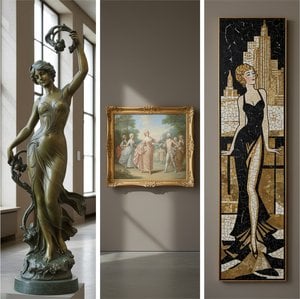
The Allure of Elegance: Exploring Artistic Representations of Refinement Across Movements
Explore the captivating history of elegance in art, from Rococo's grace to Romanticism’s passion. Discover investment-worthy masterpieces & expert guidance for building your collection with ArtsDot.

Top 10 uměleckých děl vyzařujících elegancí – inspirace pro váš interiér | ArtsDot.com
Objevte 10 ikonických uměleckých děl vyzařujících elegancí – od Moneta po Rembrandta. Inspirace pro luxusní interiér a reprodukce obrazů nejvyšší kvality na ArtsDot.com. Prozkoumejte celou kolekci online!