


 Zobrazit v interiéru
 Odeslat
 Sdílet
 Podrobnosti
 Průvodce

 Stáhnout obrázek
 Podobné kousky
 Rentgenové snímky
 Slideshow
 Statistiky
Sectional View Showing Traffic Facilities
 Přečíst si více
Ručně malovaná olejová reprodukce
Ručně malované olejné plátno v libovolném rozměru i s rámem, vyrobené našimi umělci na zakázku. ( Přepnout na tiskové verze Přepnout na digitální verzi obrazu)




































Vyberte si z našich přednastavených velikostí, které odpovídají původním proporcím díla.

Můžete zadat vlastní rozměry pro konkrétní rám nebo prostor. Pokud se vámi vybraná velikost neshoduje s proporcemi původního obrazu, dílo buď ořízneme, nebo jej doplníme ručně malovanými prvky. Před zahájením výroby vám bude zaslán digitální náhled ke schválení.
Upozorňujeme, že náhled na obrazovce neodpovídá skutečnému ořezu ani rozšíření. Pouze digitální náhled přesně zobrazí finální kompozici.
Ačkoliv je možné zvolit vlastní velikost, pro zachování původních proporcí doporučujeme vybrat rozměr z předdefinovaného seznamu.
Po přijetí objednávky vám tým ArtsDot.com zašle e-mail s pokyny a poskytne náhledovou verzi.
Celosvětová doprava () za 3–4 týdny namísto standardních 5 týdnů. (24 září). Bez kompromisů v kvalitě.

Zdarma celosvětová expresní doprava

Vysoce kvalitní lněné plátno

Úplné pojištění přepravy

Záruka vrácení celního poplatku

Záruka věrného barevného shodu

100dení lhůta pro vrácení zboží (pouze při vadách výroby)

100% garance vrácení peněz

Sleva při více objednávkách
 Skleněná varianta je dostupná pouze u rozměrů menších než 110 cm

Sectional View Showing Traffic Facilities
Technika provedení
Velikost reprodukce
-


Celková cena
$ 263
Související díla


Biografie umělce
The Architect of the Urban Soul
Born in the industrial heart of Rock Island, Illinois, in 1867, Harry Pettit emerged as a visionary whose brush and pen did more than merely record the physical world; he captured the very pulse of an era. His early life was steeped in the wonder of a rapidly advancing century, fueled by the fantastical engineering marvels found in the tales of Jules Verne. This fascination with technological progress and the structural integrity of the modern age became the cornerstone of his artistic identity. Before he became a celebrated chronicler of New York’s skyline, Pettit honed his craft through delicate landscape sketches and rigorous architectural studies, developing an eye for the intersection where human ingenuity meets aesthetic grace.
As the 20th century progressed, Pettit transitioned from a student of nature to a master of the built environment. His career reached its zenith during the 1930s, a period defined by the soaring ambitions of the Art Deco movement. It was during this transformative decade that Pettit entered into a profound creative partnership with George Platt Lynes. Together, they produced a series of breathtaking depictions of New York City’s most iconic landmarks. Through their collaborative lens, structures like the Chrysler Building, Grand Central Terminal, and the legendary Brooklyn Bridge were transformed from mere steel and stone into living, breathing monuments of human aspiration. His work during this time did not just document urban expansion; it celebrated the dynamism and spirit of a city in motion.
Mastery of Line and Light
The technical brilliance of Pettit’s oeuvre lies in his ability to marry the cold precision of engineering with the fluid beauty of fine art. He possessed a rare talent for translating complex blueprints and technical photographs into visually arresting compositions. His preferred medium—a sophisticated combination of watercolor and ink washes—allowed him to achieve an extraordinary tonal range. This technique enabled him to render the heavy, textured surfaces of masonry alongside the ethereal, light-catching edges of steel girders with astonishing accuracy.
To observe a Pettit original is to witness a meticulous study of detail. Whether he was presenting a Sectional View Showing Traffic Facilities or a sweeping vista of the Manhattan Bridge plaza, his work maintained a consistent standard of excellence characterized by:
- Meticulous Draughtsmanship: An unwavering commitment to the structural truth of every arch and pillar.
- Tonal Depth: The use of delicate washes to create atmosphere, shadow, and a sense of three-dimensional space.
- Urban Precision: A capacity to capture the intricate textures of urban life, from the grit of the streets to the polished grandeur of civic monuments.
A Legacy of Humanist Design
Beyond the technical mastery of his illustrations, Harry Pettit’s historical significance is rooted in his role as an advocate for thoughtful urbanism. He did not view architecture as an isolated feat of engineering, but as a vital component of the human experience. His contributions to urban planning discussions during periods of massive civic expansion reflected a deeply humanist perspective. He believed that the grand designs of the city should ultimately serve the needs of its inhabitants, promoting accessibility and enhancing the collective quality of life.
Today, Pettit’s work serves as a nostalgic yet profound window into the soul of early 20th-century America. His renderings remain essential historical documents that capture the transition from the industrial age to the modern metropolis. Through his eyes, we see not just the bones of our cities, but the dreams and the enduring spirit of the people who built them. He remains a pivotal figure whose legacy is etched into the very skyline he so lovingly documented.

harry pettit
1867 - 1941 , United States of America
Rychlé informace
- Artistic Movement Or Style: Urban Planning
- Artists Or Movements Influenced By This Artist: ['Bauhaus']
- Artists Who Influenced This Artist: ['Frank Lloyd Wright']
- Date Of Birth: 1867
- Full Name: Harry Pettit
- Nationality: American
- Notable Artworks: ['Brooklyn Bridge Renderings']
- Place Of Birth: Rock Island, United States of America
Související články

Concrete Visions: Exploring the Urban Landscape in Painting – From Realism to Contemporary Art
Explore the evolution of cityscape painting from Realism to contemporary art with ArtsDot. Discover key artists & invest in timeless urban visions. Expert guidance, museum-quality reproductions.

Urban Visions: A Historical & Artistic Exploration of the Cityscape in Painting
Explore the evolution of cityscape painting from historical maps to Impressionist masterpieces. Discover artists like Caillebotte & Utrillo. Find museum-quality reproductions at ArtsDot.

Concrete Visions: Exploring Representations of Urban Life in Modern & Contemporary Art
Explore the evolution of cityscape painting from Realism to contemporary art. Discover key artists & invest in timeless urban visions with ArtsDot's expert guidance and museum-quality reproductions.
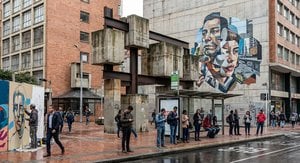
Concrete Narratives: Exploring Urban Life in Modern & Contemporary Art
Explore the evolution of cityscape painting with ArtsDot. Discover key artists from Realism to contemporary movements & invest in timeless urban visions. Expert guidance, museum-quality reproductions.