


 Zobrazit v interiéru
 Odeslat
 Sdílet
 Podrobnosti
 Průvodce

 Stáhnout obrázek
 Podobné kousky
 Rentgenové snímky
 Slideshow
 Statistiky
untitled


 Přečíst si více
Ručně malovaná olejová reprodukce
Ručně malované olejné plátno v libovolném rozměru i s rámem, vyrobené našimi umělci na zakázku. ( Přepnout na tiskové verze Přepnout na digitální verzi obrazu)




P118B $10

P118H $10

P118W $10

P438Z $10

P508JH $12

P508YH $12

P805H $10

P805Z $10

P919BZ $10

P919G $10

P919XJ $10

P959ZH $10

P968JZ $12

W106C $8

W218G $10

W218JH $8

W218Y $10

W307PJ $10

W316G $10

W316PJ $8

W316Y $10

W398PJ $8

W4111J $10

W500HY $15

W500JH $15

W692G $12

W849H $8

W940BG $15

W953PJ $8




Vyberte si z našich přednastavených velikostí, které odpovídají původním proporcím díla.

Můžete zadat vlastní rozměry pro konkrétní rám nebo prostor. Pokud se vámi vybraná velikost neshoduje s proporcemi původního obrazu, dílo buď ořízneme, nebo jej doplníme ručně malovanými prvky. Před zahájením výroby vám bude zaslán digitální náhled ke schválení.
Upozorňujeme, že náhled na obrazovce neodpovídá skutečnému ořezu ani rozšíření. Pouze digitální náhled přesně zobrazí finální kompozici.
Ačkoliv je možné zvolit vlastní velikost, pro zachování původních proporcí doporučujeme vybrat rozměr z předdefinovaného seznamu.
Po přijetí objednávky vám tým ArtsDot.com zašle e-mail s pokyny a poskytne náhledovou verzi.
Celosvětová doprava () za 3–4 týdny namísto standardních 5 týdnů. (25 září). Bez kompromisů v kvalitě.

Zdarma celosvětová expresní doprava

Vysoce kvalitní lněné plátno

Úplné pojištění přepravy

Záruka vrácení celního poplatku

Záruka věrného barevného shodu

100dení lhůta pro vrácení zboží (pouze při vadách výroby)

100% garance vrácení peněz

Sleva při více objednávkách
 Skleněná varianta je dostupná pouze u rozměrů menších než 110 cm

untitled
Technika provedení
Velikost reprodukce
-


Celková cena
$ 263
A Renaissance Vision of Noble Grace
This captivating portrait offers a glimpse into the world of the Renaissance elite, presenting a woman of evident status and quiet dignity. Executed with meticulous detail characteristic of the period, likely during the early to mid-16th century, this artwork embodies the refined aesthetic sensibilities prevalent in Northern European courtly circles. It’s a piece that speaks volumes about an era defined by burgeoning humanism, artistic innovation, and a fascination with capturing individual likeness.Masterful Technique & Artistic Style
The artist demonstrates exceptional skill in oil painting, employing layering and glazing techniques to achieve remarkable depth and luminosity. The smooth application of paint creates a polished finish while simultaneously conveying the varied textures – from the delicate skin tones to the crisp folds of luxurious fabrics and the sheen of pearls. Influenced by both Italian Renaissance advancements and the meticulous realism of Northern masters like Jan van Eyck, the style leans towards precise observation and detailed rendering rather than idealized forms. The composition’s symmetry is subtly offset, creating a dynamic balance that draws the eye directly to the subject's face and expression.Decoding Symbolism & Historical Context
The woman’s elaborate attire – a black bodice with golden embroidery over a red underdress, complemented by puffed yellow sleeves and a pearl necklace – immediately signifies her wealth and social standing. The striped headdress is particularly striking, adding an unusual yet elegant touch to the composition. Beyond mere ornamentation, elements within the painting carry symbolic weight. Grapes carved into the columns flanking the figure traditionally represent abundance, fertility, or even allude to religious themes related to wine and communion. Pearls often symbolized purity and wealth. Commissioned portraits like this served not only as records of appearance but also as statements of power, lineage, and social aspiration within a rapidly changing world.Emotional Resonance & Interior Appeal
The subject’s expression is subtly melancholic, conveying a sense of quiet contemplation rather than overt joy. This reserved emotion was common in Renaissance portraiture, reflecting ideals of noble composure and inner strength. The rich yet restrained color palette – dominated by reds, blacks, golds, creams, and browns – creates an atmosphere of dignified elegance. This artwork would serve as a stunning focal point in a variety of interior settings. Its classic aesthetic complements traditional décor schemes while adding depth and sophistication to more contemporary spaces. Imagine it gracing the walls of a library, dining room, or study, sparking conversation and inspiring contemplation. A high-quality reproduction allows you to bring this piece of history and artistry into your own home, enriching your surroundings with its timeless beauty.Související díla


Biografie umělce
A Life Etched in Detail: The World of Hans Holbein the Younger
Born around 1497 in Augsburg, Germany, Hans Holbein the Younger emerged as a defining figure of the Northern Renaissance—a master portraitist whose work continues to resonate with breathtaking realism and psychological depth. His upbringing within an artistically gifted family laid the foundation for his exceptional talent; his father, Hans Holbein the Elder, was a respected painter and printmaker who instilled in young Hans a meticulous approach to observation and technique. This early training wasn’t merely about mastering brushstrokes or mixing pigments—it was about learning to *see*, to capture not just likeness but the very essence of a subject. Holbein's initial artistic explorations occurred within his father’s workshop, where he honed his skills before embarking on a journey that would lead him through Switzerland and ultimately to the heart of the English court.From Basel to the Tudor Court: A Rising Star
After completing his apprenticeship, Holbein traveled extensively throughout Switzerland, establishing himself as an independent artist with a growing reputation. He spent several formative years in Basel, creating not only striking portraits but also religious works and intricate woodcut designs—most notably the haunting series depicting the *Dance of Death*. These early pieces reveal a burgeoning mastery of composition and a developing fascination with capturing the complexities of human emotion. He admired the work of Albrecht Dürer and other German masters while also studying Italian art during his travels, absorbing their techniques and incorporating them into his own unique style. Holbein’s innovative compositions further enhanced the impact of his work, often employing symbolic objects or backgrounds to convey deeper meaning. It was in 1526 that fate intervened, drawing Holbein towards England, an event that would irrevocably alter his artistic trajectory. He arrived bearing a letter of introduction from Erasmus, the renowned humanist scholar, which opened doors to the influential circles of English society. His talent quickly captivated prominent figures like Sir Thomas More, who became both a patron and a subject for several compelling portraits. This connection proved pivotal, leading Holbein’s appointment as a court painter to King Henry VIII in 1536—a position he held, with some interruptions, until his untimely death in 1543.The Art of Perception: Style and Masterpieces
Holbein's artistic style is characterized by an extraordinary commitment to realism, achieved through painstaking attention to detail in rendering textures, fabrics, and the subtle nuances of facial features. He didn’t simply *paint* portraits; he meticulously constructed them, layer upon layer, capturing not just physical appearances but also the personality and inner life of his sitters. His use of chiaroscuro—the dramatic interplay of light and shadow—created a palpable sense of depth and atmosphere, enhancing the psychological impact of his images. He was particularly adept at portraying human emotion with remarkable accuracy, conveying feelings of solemnity, contemplation, and even vulnerability. The Ambassadors (1533) stands as a testament to this approach—a complex and symbolically rich double portrait showcasing both Holbein’s technical brilliance and intellectual depth. The anamorphic skull subtly embedded within the painting serves as a stark *memento mori*, reminding viewers of the inevitability of death. His numerous portraits of Henry VIII established a lasting image of royal power, while his depiction of Erasmus of Rotterdam captures the scholar's profound intellectual gravitas. Other notable works include the stunning *Portrait of Nikolaus Kratzer* (1528), a masterpiece of realism and scientific detail—a reflection of Holbein’s fascination with humanist scholarship and observation.Legacy and Influence: A Lasting Impression
Holbein’s artistic journey was shaped by a confluence of influences, blending the precision of German artistic traditions with the compositional principles of the Italian Renaissance. He admired the work of Albrecht Dürer and other German masters while also studying Italian art during his travels, absorbing their techniques and incorporating them into his own unique style. His legacy is profound; Holbein’s portraits set a new standard for realism and psychological insight in portraiture, influencing generations of artists who followed. He didn't merely record appearances—he captured moments in time, preserving them for posterity. His depictions of key figures during the Tudor period provide invaluable insights into the lives and personalities of those who shaped English history. He was a true innovator, pushing the boundaries of artistic expression while simultaneously upholding the highest standards of craftsmanship. Holbein’s work continues to inspire artists today—a testament to his enduring genius and the timeless beauty of his vision.
Hans Holbein ml.
1497 - 1543 , Německo
Rychlé informace
- Artistic Movement Or Style: Severní Renesance
- Artists Or Movements Influenced By This Artist: ['Pozdější portrétisté']
- Artists Who Influenced This Artist: ['Albrecht Dürer']
- Date Of Birth: c. 1497/98
- Full Name: Hans Holbein der Jüngere
- Nationality: Německý, Švýcarský
- Notable Artworks:
- Ambasadéři
- Portrét Jindřicha VIII.
- Nikolaus Kratzer
- Place Of Birth: Augsburg, Německá republika
Související články

Hans Holbein the Younger: A Renaissance Portraitist's Mastery of Realism & Psychological Insight
Explore the life & art of Hans Holbein the Younger, a Renaissance master renowned for his strikingly realistic portraits and psychological insight. Discover iconic works like 'The Ambassadors' and delve into his lasting legacy.
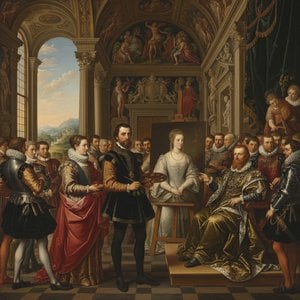
Hans von Aachen: Mannerism's Courtly Visionary & Imperial Portraiture
Explore the captivating world of Hans von Aachen, a leading Mannerist painter renowned for his exquisite imperial portraits & mythological scenes. Discover his legacy and influence on 16th-century European art.
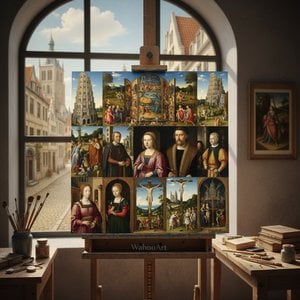
Top 10 mistrovských děl severní renesance – obrazy a umění pro váš domov | ArtsDot.com
Objevte 10 ikonických děl severní renesance – Jan van Eyck, Dürer a další mistři. Ponořte se do příběhů umění, technik a barev. Reprodukce obrazů pro váš domov na ArtsDot.com.
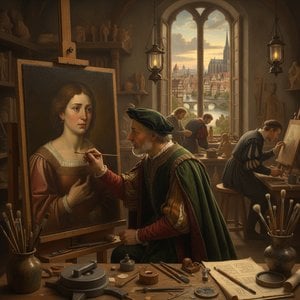
The Northern Awakening: Artistic Innovation & Cultural Transformation in the German Renaissance
Explore the artistic innovation of the German Renaissance! Discover Dürer, the Danube School & Reformation art. Learn about techniques, materials & lasting influence. Find museum-quality reproductions at ArtsDot.

The Northern Renaissance: A Flourishing of Realism, Religious Reform & Artistic Innovation
Explore the Northern Renaissance! Discover Jan van Eyck's innovations, religious shifts, & key artists of this influential period. Expert analysis and insights into Early Netherlandish painting at ArtsDot.


