


 Zobrazit v interiéru
 Odeslat
 Sdílet
 Podrobnosti
 Průvodce

 Stáhnout obrázek
 Podobné kousky
 Rentgenové snímky
 Slideshow
 Statistiky
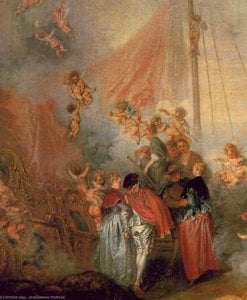
The Immaculate Conception


 Přečíst si více
Ručně malovaná olejová reprodukce
Ručně malované olejné plátno v libovolném rozměru i s rámem, vyrobené našimi umělci na zakázku. ( Přepnout na tiskové verze Přepnout na digitální verzi obrazu)




































Vyberte si z našich přednastavených velikostí, které odpovídají původním proporcím díla.

Zadejte šířku a výšku, které potřebujete pro váš rám nebo stěnu. Protože se jedná o ruční malbu, při výběru jiného formátu může umělec kolem obrazu domalovat o něco více, nebo jej mírně oříznout — rozhodnete si vy. Před zahájením malby vám zašleme digitální náhled ke schválení. Obraz zobrazený na této stránce neodpovídá skutečnému výsledku — pouze digitální náhled jej zobrazuje.
Po přijetí objednávky vám tým ArtsDot.com zašle e-mail s pokyny a poskytne náhledovou verzi.
Celosvětová doprava () za 3–4 týdny namísto standardních 5 týdnů. (22 říjen). Bez kompromisů v kvalitě.

Zdarma celosvětová expresní doprava

Vysoce kvalitní lněné plátno

Úplné pojištění přepravy

Záruka vrácení celního poplatku

Záruka věrného barevného shodu

100dení lhůta pro vrácení zboží (pouze při vadách výroby)

100% garance vrácení peněz

Sleva při více objednávkách
 Skleněná varianta je dostupná pouze u rozměrů menších než 110 cm

The Immaculate Conception
Technika provedení
Velikost reprodukce
-


Celková cena
Kč 5630
Související díla



Biografie umělce
The Venetian Master of Baroque Drama: The Life of Giuseppe Angeli
In the luminous, water-bound world of eighteenth-century Venice, few artists captured the profound tension between the earthly and the divine as masterfully as Giuseppe Angeli. Born in 1712, Angeli emerged during a period when the late Baroque style was reaching its most sophisticated and emotive peak. His life’s work serves as a vibrant window into the cultural soul of Venice, bridging the gap between intimate genre scenes of everyday Venetian life and the monumental, sweeping narratives of religious devotion. To study Angeli is to witness the evolution of a painter who could command both the quiet subtlety of a domestic moment and the thunderous grandeur of a celestial vision.
The foundation of Angeli’s brilliance was laid under the watchful eye of Giambattista Piazzetta, one of the most formidable figures in Venetian painting. From his mentor, Angeli inherited a profound understanding of chiaroscroll—the dramatic interplay of light and shadow—and a technique that prioritized emotional resonance over mere decorative flourish. This rigorous training allowed him to navigate the complex guild systems of the era with professional ease. By 1741, his ascent was formalized through his enrollment in the Venetian Academy of Fine Arts, an institution that would later become the stage for his greatest professional triumphs.
A Legacy of Instruction and Influence
Angeli was not merely a practitioner of art but a guardian of its future. His relationship with the Venetian Academy of Fine Arts transitioned from student to leader, a journey marked by deep intellectual commitment. In 1756, he began sharing his mastery through teaching, and by 1772, he had ascended to the prestigious position of President of the Academy. This role placed him at the heart of Venice's artistic evolution, where he shaped the pedagogical standards for a new generation of painters, ensuring that the traditions of the Baroque would endure even as the winds of Neoclassicism began to stir.
His influence extended far beyond the classroom, manifesting in grand architectural interventions that transformed sacred and secular spaces alike. His reputation was cemented by several monumental achievements:
- The Church of San Stae: Here, his ambitious canvases showcased a breathtaking mastery of perspective and color, drawing the faithful into a heightened state of spiritual contemplation.
- Villa Widmann-Foscari: In the lush landscapes near Padua, Angeli’s expansive fresco murals demonstrated an unparalleled command of scale, turning walls into immersive, narrative windows.
The Versatility of Vision: From Sacred to Secular
What truly distinguishes Angeli is his remarkable ability to pivot between scales and subjects without losing his stylistic signature. While his religious works, such as St Roch in Glory and Elijah Taken Up in a Chariot of Fire, utilize dramatic movement and biblical grandeur to evoke awe, his smaller-scale works offer a more intimate look at the human condition. In pieces like Lesson in Astronomy, one can sense the intellectual elegance of the era, where the pursuit of scientific knowledge was treated with the same reverence as spiritual enlightenment.
His oeuvre remains a testament to the enduring power of the Venetian school. Whether through the tender personifications found in works like Charity or the sweeping theatricality of his frescoes, Angeli’s art continues to resonate. He remains a pivotal figure whose work captures the twilight of the Baroque era—a period defined by its ability to find the extraordinary within the ordinary and the divine within the human experience.

Giuseppe Angeli
1712 - 1798 , Italy
Rychlé informace
- Full Name: Giuseppe Angeli
- Nationality: Italian
- Date Of Birth: 1712
- Date Of Death: 1798
- Place Of Birth: Venice, Italy
- Notable Artworks:
- Elijah Taken Up in a Chariot of Fire
- St Roch in Glory
- Faith
- Charity
- Artistic Movement Or Style: Late Baroque
- Artists Who Influenced This Artist: ['Giambattista Piazzetta']

