


 Zobrazit v interiéru
 Odeslat
 Sdílet
 Podrobnosti
 Průvodce

 Stáhnout obrázek
 Podobné kousky
 Rentgenové snímky
 Slideshow
 Statistiky
Minuet


 Přečíst si více
Giclée / Umělecký tisk
Giclée nebo plátěný tisk muzeální kvality s rychlou výrobou a širokou nabídkou povrchových úprav. ( Objednat ručně malovanou reprodukci Přepnout na digitální verzi obrazu)




P118B $10

P118H $10

P118W $10

P438Z $10

P508JH $12

P508YH $12

P805H $10

P805Z $10

P919BZ $10

P919G $10

P919XJ $10

P959ZH $10

P968JZ $12

W106C $8

W218G $10

W218JH $8

W218Y $10

W307PJ $10

W316G $10

W316PJ $8

W316Y $10

W398PJ $8

W4111J $10

W500HY $15

W500JH $15

W692G $12

W849H $8

W940BG $15

W953PJ $8




Vyberte si z našich přednastavených velikostí, které odpovídají původním proporcím díla.

Můžete zadat vlastní rozměry tak, aby výtvor odpovídal konkrétnímu rámu nebo prostoru. Pokud zvolená velikost nebude odpovídat poměru stran původního obrazu, dílo buď ořížeme, nebo obraz rozšíříme pomocí zrcadlového efektu či jednobarevného okraje. Před zahájením výroby vám bude zaslán digitální náhled k schválení.
Mějte prosím na paměti, že náhled na obrazovce neodráží skutečné oříznutí nebo rozšíření. Pouze digitální náhled přesně zobrazí finální kompozici.
Ačkoliv jsou k dispozici i vlastní rozměry, pro zachování původních proporcí doporučujeme vybrat si rozměr z předdefinovaného seznamu.
Celosvětové doručení () do 2 týdnů namísto standardních 4/5 týdnů. (23 září)

Zdarma celosvětová expresní doprava

Vysoce kvalitní lněné plátno

Úplné pojištění přepravy

Záruka vrácení celního poplatku

Záruka věrného barevného shodu

100dení lhůta pro vrácení zboží (pouze při vadách výroby)

100% garance vrácení peněz

Sleva při více objednávkách
 Skleněná varianta je dostupná pouze u rozměrů menších než 110 cm

Minuet
Giclée / Umělecký tisk
Velikost reprodukce
-


Celková cena
$ 62
A Symphony of Grace: The Rococo Splendor of Tiepolo’s Minuet
In the delicate dance of light and shadow, Giovanni Domenico Tiepolo’s 1756 masterpiece, "Minuet," invites the viewer into a world where the boundaries between the earthly and the divine dissolve. As a quintessential emblem of the Rococo movement, this work captures the very essence of eighteenth-century aristocratic elegance—a period defined by a thirst for frivolity, idealized beauty, and theatrical grandeur. To gaze upon this canvas is to step into the opulent social spheres of the Habsburg court, where every gesture is choreographed with refinement and every hue whispers of luxury. The painting does not merely depict a dance; it orchestrates an immersive experience, pulling the observer into a rhythmic celebration of life itself.
The composition is a masterclass in the Rococo aesthetic, characterized by its rejection of Baroque solemnity in favor of playful asymmetry and a luminous, pastel-driven palette. Tiepolo employs a breathtaking array of delicate creams, blush pinks, and shimmering golds that seem to glow from within, mirroring the sumptuous silks and intricate ornamentation found in the grandest European interiors. Through the expert use of trompe l'oeil techniques, the artist subtly blurs the lines between the painted surface and architectural reality, creating an illusionistic depth that makes the grand classical structures feel as though they are expanding into the viewer's own space. The light does not simply illuminate the figures; it dances across them, lending a palpable sense of atmosphere and movement to the entire scene.
Mythological Echoes and Symbolic Grandeur
Beyond its surface-level charm, "Minuet" is deeply interwoven with the mythological narratives that provided the intellectual backbone of the era. At the heart of this graceful ballet stands a statue of Diana, the goddess of hunting and chastity. This inclusion serves as a profound symbol of virtue and nobility, acting as a silent, watchful guardian over the festivities. The dancers and musicians, arranged in a rhythmic semi-circle, are positioned within an architectural setting reminiscent of ancient Roman temples, a deliberate choice by Tiepolo to ground the ephemeral joy of the dance in the eternal ideals of classical harmony and proportion. This juxtaposition suggests that even the most fleeting moments of human pleasure can be imbued with divine significance.
For the discerning collector or interior designer, "Minuet" offers more than just visual beauty; it provides a profound emotional resonance. The painting captures a sense of exuberant optimism and the effortless poise of a bygone era. Whether placed in a sun-drenched gallery or as a focal point in a sophisticated living space, a high-quality reproduction of this work brings with it an air of historical prestige and timeless sophistication. It is a piece that invites conversation, evoking the spirit of an age where art was a celebration of light, movement, and the enduring pursuit of grace.
Související díla


Biografie umělce
Giovanni Domenico Tiepolo: A Master of Rococo Frescoes
Giovanni Domenico Tiepolo (August 30, 1727 – March 3, 1804) was a prominent Italian painter and printmaker from the Republic of Venice. He is recognized as a leading figure in the Rococo style, inheriting and expanding upon the legacy of his renowned father, Giovanni Battista Tiepolo. His career spanned several decades, leaving behind a rich body of work characterized by vibrant colors, dynamic compositions, and elegant depictions of mythological scenes, portraits, and landscapes. Giovanni Domenico’s artistic journey began within the illustrious Tiepolo family—a dynasty celebrated for its contributions to Venetian art. Born in Venice, he was immersed in an environment where artistic excellence was paramount, receiving invaluable instruction from his father, Giovanni Battista Tiepolo, a monumental painter whose frescoes adorned palaces across Europe. This formative influence instilled in him a profound understanding of Rococo aesthetics and techniques – a style defined by opulent ornamentation, pastel hues, and graceful curves that captured the spirit of the era.His training extended beyond familial mentorship; he honed his skills alongside other prominent artists of Venice, including Sebastiano Ricci and Federico Bencovich, broadening his artistic horizons and fostering collaborations that enriched Venetian art history.
Early Life and Training
Giovanni Domenico’s early life was inextricably linked to the world of art. From a young age, he actively participated in assisting his father on ambitious projects—most notably the magnificent frescoes at Ca' Dolfin on the Grand Canal in Venice and the ceiling of the Gesuati (Santa Maria del Rosario) church – gaining firsthand experience in mastering the demanding craft of fresco painting.
Artistic Career and Style
Giovanni Domenico’s artistic career flourished throughout the 18th century. He established himself as a versatile artist capable of producing both monumental frescoes and intimate portraits, demonstrating an exceptional command of color and composition. While maintaining elements of his father's Rococo style—particularly in capturing movement and theatricality—he subtly adapted it to reflect contemporary sensibilities.
- Frescoes: Tiepolo’s frescoes stand as testaments to Venetian artistic grandeur. The monumental scenes at Ca' Dolfin and the Gesuati church exemplify his mastery of Rococo technique, blending classical mythology with Baroque drama.
- Paintings: Beyond frescoes, Giovanni Domenico created a significant number of paintings on canvas—often depicting mythological subjects or portraits—characterized by refined elegance and meticulous detail. Notable examples include “Perseus and Andromeda” (view here), “The Rape of Europa” (view here) and "Hunter with Deer" (view here).
- Etchings: Tiepolo’s skill in etching extended beyond decorative prints; he produced expressive depictions of biblical narratives and mythological figures, showcasing his artistic versatility.
Historical Significance
Giovanni Domenico Tiepolo played a crucial role in preserving and advancing Venetian Rococo art—a style that captured the opulent tastes and cultural values of 18th-century Venice. Although overshadowed by his father’s fame during his lifetime, he is now recognized as an important artist in his own right. His frescoes and paintings offer invaluable insights into the artistic spirit of his era, cementing his place within Venetian art history.
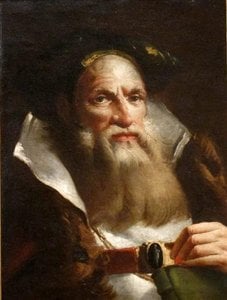
Giovanni Domenico Tiepolo
2007 - 1770 , Itálie
Rychlé informace
- Artistic Movement Or Style: Rococo
- Artists Who Influenced This Artist: ['Giovanni Battista Tiepolo']
- Date Of Birth: August 30, 1727
- Full Name: Giovanni Domenico Tiepolo
- Nationality: Italian
- Notable Artworks:
- Perseus and Andromeda
- The Rape of Europa
- Hunter with Deer
- Place Of Birth: Venice, Italy
Související články

Francesco Guardi: Venetian Light, Atmospheric Perspective & the Rococo to Neoclassical Transition
Explore the captivating world of Francesco Guardi, master of Venetian light and atmosphere. Discover his transition from Rococo to Neoclassicism, influence on Impressionism & investment potential with ArtsDot.

Top 10 mistrovských děl rokokového umění | ArtsDot.cz
Prozkoumejte 10 ikonických děl rokokového umění – Fragonard, Boucher a další. Objevte příběhy mistrů, techniky a pastelové barvy tohoto elegantního stylu. Reprodukce obrazů nejvyšší kvality na ArtsDot.cz!
Giambattista Tiepolo: A Rococo Master's Legacy of Light & Illusion
Explore the captivating world of Giambattista Tiepolo, master of Rococo art. Discover his innovative techniques, iconic frescoes, and lasting influence on Italian painting. A guide for discerning collectors.

The Rococo Aesthetic: Opulence, Rebellion & the Pursuit of Pleasure in 18th-Century Art
Explore the opulent world of Rococo art! Discover its origins, key artists like Watteau & Boucher, and lasting influence on design. Expert insights for collectors & enthusiasts.

Pietro Longhi's Venetian Scenes: A Study of Rococo Society & Domestic Life
Explore the captivating world of Pietro Longhi's Venetian scenes! Discover insightful analysis of his Rococo masterpieces & social commentary on 18th-century life. Learn about this 'Venetian Hogarth' and his lasting artistic legacy.
