

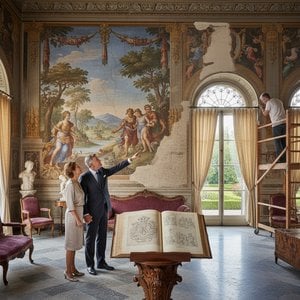
 Náhled v interiéru
 Sdílet
 Sdílet
 Podrobnosti o díle
 Průvodce

 Stáhnout
 Podobné položky
 Rentgenové snímky
 Slideshow
 Otázky a odpovědi
 Statistiky
Ceiling decoration


 Zobrazit více
Giclée / Umělecký tisk
Giclée nebo plátěný tisk muzeální kvality s rychlou výrobou a širokou nabídkou povrchových úprav. ( Koupit ručně malovaný obraz Přepnout na digitální obraz)




P118B Kč10

P118H Kč10

P118W Kč10

P438Z Kč10

P508JH Kč12

P508YH Kč12

P805H Kč10

P805Z Kč10

P919BZ Kč10

P919G Kč10

P919XJ Kč10

P959ZH Kč10

P968JZ Kč12

W106C Kč8

W218G Kč10

W218JH Kč8

W218Y Kč10

W307PJ Kč10

W316G Kč10

W316PJ Kč8

W316Y Kč10

W398PJ Kč8

W4111J Kč10

W500HY Kč15

W500JH Kč15

W692G Kč12

W849H Kč8

W940BG Kč15

W953PJ Kč8




Vyberte si z našich přednastavených velikostí, které odpovídají původním proporcím díla.

Zadejte šířku a výšku, které potřebujete pro váš rám nebo stěnu. Tisk lze pouze oříznout, nikdy však nelze zvětšit obraz nad jeho původní rozměr, proto při výběru jiného formátu dochází ke ztrátě části obrazu. Před samotným tiskem vám zašleme digitální náhled k schválení. Obraz zobrazený na této stránce nenabízí skutečný výřez — ten uvidíte pouze v náhledu.
Celosvětové doručení () do 2 týdnů namísto standardních 4/5 týdnů. (4 listopad)

Zdarma celosvětová expresní doprava

Vysoce kvalitní lněné plátno

Kompletní pojištění přepravy

Záruka vrácení celního poplatku

Záruka věrného barevného souladu

100dení lhůta pro vrácení zboží (pouze při vadách výroby)

100% záruka vrácení peněz

Sleva při více objednávkách
 Skleněná varianta je dostupná pouze u rozměrů menších než 110 cm

Ceiling decoration
Giclée / Umělecký tisk
Rozměry reprodukce
-


Celková cena za vybrané možnosti reprodukcí
Kč 1374
Ceiling Decoration by Giorgio Vasari: A Symphony of Mannerist Grandeur
Giorgio Vasari’s “Ceiling Decoration” transcends mere pigment on plaster; it embodies the very spirit of the Florentine Renaissance, specifically its fervent embrace of Mannerism. Executed in 1556 for Palazzo Vecchio – Florence's seat of power – this monumental fresco isn’t simply a decorative element; it’s a carefully crafted statement about artistic ambition and humanist ideals.
- The Artistic Style: Vasari’s approach aligns perfectly with the Mannerist movement, rejecting the harmonious balance favored by earlier Renaissance artists. Instead, he employs elongated figures—a hallmark of the style—that twist and contort in dramatic poses, conveying emotion and dynamism rather than idealized beauty.
- Composition & Narrative: The fresco is divided into several panels, each depicting a distinct scene or figure. At its core lies a central panel showcasing a group engaged in activity – likely referencing biblical narratives or mythological allegories—while surrounding sections offer smaller vignettes and ornamental flourishes designed to heighten visual impact.
- Technique & Materials: Vasari’s mastery is evident in his meticulous application of fresco technique, utilizing pigments mixed with lime and plaster to create durable images that have endured for centuries. The use of gold leaf accents adds an opulent layer of grandeur, reflecting the wealth and prestige associated with Palazzo Vecchio.
Historical Significance: Florence Under Medici Patronage
The creation of “Ceiling Decoration” coincided with a period of intense cultural flourishing in Florence under Cosimo I de’ Medici. Vasari's commission underscores the Medicis’ commitment to supporting artistic endeavors and elevating Florence as a beacon of Renaissance civilization. The fresco serves as a tangible reminder of this era, capturing its intellectual curiosity and aesthetic sensibilities.
- Symbolism & Iconography: Recurring motifs—such as stylized drapery and classical references—carry symbolic weight, communicating ideas about virtue, nobility, and divine authority. Vasari skillfully employs visual language to convey complex theological concepts and reinforce the humanist values championed by Florentine thinkers.
- Influence on Later Artists: Vasari’s work profoundly impacted subsequent generations of painters, establishing Mannerist principles as a dominant aesthetic force. His influence can be seen in the dramatic compositions and expressive gestures characteristic of artists who followed him.
A Legacy Enduring Through Reproduction
ArtsDot.com recognizes the profound beauty and historical importance of Vasari’s “Ceiling Decoration.” We offer meticulously crafted oil painting reproductions that faithfully capture the fresco's vibrant colors, intricate details, and emotional resonance. These reproductions are produced by skilled artisans using archival-quality materials—ensuring they preserve the artwork's integrity for years to come.
- Resources for Further Exploration: To delve deeper into Vasari’s life and artistic legacy, we encourage you to visit Wikipedia (Wikipedia) or explore the Web Gallery of Art (WGA).
Discover the splendor of Renaissance art at ArtsDot.com and bring a piece of Florentine history into your home.
Otázky a odpovědi
Obsahuje "Ceiling decoration" výrazné světlonápadové kontrasty?
„Ceiling decoration“ od Giorgio Vasari vykazuje Balanced kontrast mezi světlými a tmavými částmi.
Jaké využití a prostor se doporučuje pro „Ceiling decoration“ od Giorgio Vasari?
Dílo „Ceiling decoration“ od Giorgio Vasari se doporučuje pro Accent, ideálně do Living Room. Způsob využití a prostor společně určují, kam se reprodukce hodí.
Která barva v díle "Ceiling decoration" nejvíce vyniká?
Hlavní barvou díla „Ceiling decoration“ od Giorgio Vasari je Putty (#d4c19f).
Podobná díla


Biografie umělce
A Life Woven into the Renaissance Fabric
Giorgio Vasari, born in Arezzo, Tuscany, on July 30, 1511, was more than simply a painter; he was a quintessential embodiment of the Italian Renaissance spirit. His life unfolded as a vibrant tapestry woven with threads of artistic creation, architectural innovation, insightful historical writing, and an unwavering dedication to celebrating the masters who came before him. From his earliest training under Guglielmo da Marsiglia, a skilled artisan in stained glass, young Giorgio’s path was steered towards visual artistry. However, it was his move to Florence at sixteen that truly ignited his potential. Immersing himself within the dynamic circle of Andrea del Sarto and absorbing the influences of Rosso Fiorentino and Jacopo Pontormo, Vasari began a journey that would see him become one of the most influential figures of his era. His formative years were also deeply marked by the patronage and friendship of the powerful Medici family, a relationship that would shape both his career and his perspective on art’s role in society.The Artist's Hand and Eye
Vasari’s artistic style is often categorized as Mannerist, reflecting the prevailing aesthetic trends of the mid-16th century. His paintings are characterized by elongated figures, dynamic compositions, and a sophisticated use of color—qualities highly admired during his lifetime. While perhaps not achieving the same level of enduring fame as some of the artists he chronicled, Vasari’s skill was undeniable. Notable works such as *The Studio of the Painter*, a fresco housed in Casa Vasari in Arezzo, offer a fascinating glimpse into the artistic practices of the time. The sheer scale and ambition of his frescoes for the Palazzo Vecchio in Florence, undertaken between 1555 and 1572, demonstrate his mastery of large-scale decorative schemes. His final monumental undertaking, *The Last Judgement*, adorning the cupola of Florence Cathedral—completed after his death by Federico Zuccari—stands as a testament to his unwavering commitment to grand artistic visions. Beyond painting, Vasari’s architectural contributions were equally significant. He designed the elegant loggia of the Palazzo degli Uffizi, transforming it into a public piazza and creating a vital link within Florence's urban landscape. Perhaps most famously, he conceived and oversaw the construction of the Vasari Corridor, a secret passageway connecting the Uffizi Gallery with the Palazzo Pitti—a feat of engineering and architectural ingenuity that continues to captivate visitors today.A Historian Forging a Legacy
However, it is arguably as an art historian that Giorgio Vasari secured his most lasting legacy. His monumental work, *Lives of the Most Excellent Painters, Sculptors, and Architects*, published in 1550 (with a revised edition in 1568), revolutionized the way art was understood and appreciated. This groundbreaking text wasn’t merely a collection of biographies; it established a narrative framework for the development of Italian Renaissance art, tracing its evolution from the early masters like Cimabue and Giotto to his contemporaries Michelangelo and Raphael. Vasari's work introduced the very concept of the “Renaissance” – a rebirth of classical ideals—and laid the foundation for modern art history as a discipline. While acknowledging that Vasari’s accounts are not without their biases and inaccuracies, particularly concerning artists predating his own time, the impact of *Lives* remains profound. It provided a crucial historical context for artistic creation, elevating the status of artists from skilled craftsmen to intellectual figures worthy of scholarly attention.Influences and Enduring Significance
Vasari’s artistic development was profoundly shaped by his exposure to the works of Renaissance masters. His visit to Rome in 1529, where he studied the art of Raphael and other High Renaissance artists, proved pivotal. He absorbed their principles of composition, anatomical accuracy, and idealized beauty, incorporating them into his own style. Michelangelo, whom Vasari greatly admired, exerted a particularly strong influence on both his painting and architecture. The grandeur and dynamism characteristic of Michelangelo’s work are evident in many of Vasari’s projects. Beyond specific artists, the broader intellectual currents of the Renaissance—humanism, classical learning, and a renewed interest in empirical observation—also informed Vasari's approach to art and history. Giorgio Vasari died on June 27, 1574, in Florence, leaving behind a multifaceted legacy that continues to resonate today. He was not only a talented artist and architect but also a pioneering historian whose writings shaped our understanding of one of the most transformative periods in Western art history. His work remains essential for anyone seeking to explore the rich cultural heritage of the Italian Renaissance.Major Achievements
- *The Studio of the Painter* (Fresco, Casa Vasari, Arezzo): A seminal work showcasing his early Mannerist style and artistic techniques.
- Frescoes in Palazzo Vecchio (Florence): Including the monumental decoration of the Salone dei Cinquecento, demonstrating his mastery of large-scale historical narratives.
- Design of the Uffizi Gallery Loggia: A transformative public space that redefined Florentine urban design.
- Construction of the Vasari Corridor: An ingenious architectural solution connecting two prominent palaces in Florence – a testament to his engineering skills.
- *Lives of the Most Excellent Painters, Sculptors, and Architects* (1550 & 1568): A foundational text for art history, establishing a framework for understanding the development of Renaissance art.
Key Influences
Early Influences:- Guglielmo da Marsiglia: His initial training in stained glass provided a foundation in craftsmanship and artistic technique.
- Andrea del Sarto & Rosso Fiorentino: Exposure to these prominent Florentine artists shaped his understanding of composition, color theory, and classical influences.
- Michelangelo Buonarroti: Vasari deeply admired Michelangelo’s artistic genius and incorporated elements of his style into his own work.
- Renaissance Humanism & Classical Learning: The intellectual currents of the Renaissance profoundly influenced his approach to art, history, and scholarship.

Giorgio Vasari
1511 - 1574 , Itálie
Rychlé informace o umělci
- Artistic Movement Or Style: Mannerismus
- Artists Or Movements Influenced By This Artist: ['Renesanční umění']
- Artists Who Influenced This Artist:
- Michelangelo
- Guglielmo da Marsiglia
- Date Of Birth: 30. července 1511
- Date Of Death: 27. června 1574
- Full Name: Giorgio Vasari
- Nationality: Italista
- Notable Artworks:
- Studio malíře
- Poslední soud
- Place Of Birth: Arezzo, Itálie
Související články

The Enduring Legacy of Fresco: Technique, History & Artistic Expression Across Cultures
Explore the rich history & enduring legacy of fresco painting! Discover ancient techniques, Giotto's masterpieces, and modern applications. Expert insights for art lovers & professionals.

The Enduring Legacy of Fresco: Technique, History & Artistic Expression
Explore the rich history & enduring artistry of fresco painting. Discover techniques from Giotto to Michelangelo, conservation efforts, & modern applications. Learn how ArtsDot brings this timeless art form to your home.

The Enduring Legacy of Fresco Painting: Techniques, History & Contemporary Relevance
Explore the rich history & enduring artistry of fresco painting – from Giotto to Michelangelo! Discover techniques, conservation efforts, & modern applications. Learn how ArtsDot brings this timeless art form to your home.
Freska jako rodinné dědictví: Zachovejte svůj původ v obrazech na stěnách
Objevte sílu fresek pro uchování rodinné historie! Kvalitní reprodukce a zakázková malba od . Inspirujte se historií umění a vytvořte jedinečný obraz vašeho původu.

Umění, které s vámi žije: Emocionální síla zakázkové interiérové fresky
Objevte sílu zakázkových fresky pro váš interiér. Historie, psychologie a moderní provedení od odborníků. Investice do umění s .


