


 Náhled
 Sdílet
 Sdílet
 Podrobnosti o díle

 Stáhnout
 Podobné položky
 Rentgenové snímky
 Slideshow
Untitled
 Contemporary Photography
 1994
1994 91.0 x 140.0 cm
 Zobrazit více
Giclée / Umělecký tisk
Giclée nebo plátěný tisk muzeální kvality s rychlou výrobou a flexibilními možnostmi povrchové úpravy. ( Koupit ručně malovaný obraz Koupit obrázek)




































Vyberte si z našich přednastavených velikostí, které odpovídají původním proporcím díla.

Můžete zadat vlastní rozměry tak, aby výtvor odpovídal konkrétnímu rámu nebo prostoru. Pokud zvolená velikost nebude odpovídat poměru stran původního obrazu, dílo buď ořížeme, nebo obraz rozšíříme pomocí zrcadlového efektu či jednobarevného okraje. Před zahájením výroby vám bude zaslán digitální náhled k schválení.
Mějte prosím na paměti, že náhled na obrazovce neodráží skutečné oříznutí nebo rozšíření. Pouze digitální náhled přesně zobrazí finální kompozici.
Ačkoliv jsou k dispozici i vlastní rozměry, pro zachování původních proporcí doporučujeme vybrat si rozměr z předdefinovaného seznamu.
Celosvětové doručení () do 2 týdnů namísto standardních 4/5 týdnů. (20 srpen)

Zdarma celosvětová expresní doprava

Vysoce kvalitní lněné plátno

Kompletní přepravní pojištění

Záruka vrácení celního poplatku

Záruka přesného barevného shodu

60denní lhůta pro vrácení zboží (pouze při vadách výroby)

100% garance vrácení peněz

Sleva při hromadné objednávce
 Skleněná varianta je dostupná pouze u rozměrů menších než 110 cm

Untitled
Giclée / Umělecký tisk
Rozměry reprodukce
-


Celková cena za výběr
$ 62
Podobná umělecká díla


Biografie umělce
Gilles Peress: A Magnum Visionary
Gilles Peress (born December 29, 1946) stands as a towering figure in contemporary photography, recognized primarily for his affiliation with Magnum Photos and his unwavering commitment to documenting pivotal moments of human history. His artistic journey began in Paris where he pursued studies in political science and philosophy—disciplines that would profoundly shape his worldview and inform his approach to visual storytelling.- Early Influences: Peress’ formative years were marked by exposure to Marxist thought, fostering a critical perspective on societal structures and power dynamics. This intellectual grounding would later translate into his photographic practice, prioritizing ethical considerations and challenging conventional narratives.
- Magnum Photos Debut (1971): Joining Magnum Photos solidified Peress' dedication to journalistic integrity and artistic exploration. The collaborative ethos of the agency encouraged him to tackle ambitious projects addressing complex social issues with sensitivity and nuance.
Documentary Pioneer: Capturing Conflict & Humanity
Peress swiftly established himself as a prolific photographer, embarking on expeditions that spanned continents—Northern Ireland during the Troubles, Lebanon amidst sectarian strife, Palestine grappling with occupation, Iran under revolutionary fervor, the Balkans scarred by war, Rwanda confronting genocide, and the United States navigating social unrest. His method was distinctive: he eschewed staged compositions favoring immersive observation and capturing candid moments of human experience. He famously stated, “I don’t want to make pictures that are beautiful; I want to make pictures that are true.”
- Notable Projects: Among his most impactful works include ‘Telex Iran,’ offering an unflinching portrayal of Iranian society during the Islamic Revolution; ‘The Silence,’ documenting the aftermath of Rwanda's genocide with poignant detail; ‘Farewell to Bosnia,’ capturing the disintegration of Yugoslavia and its devastating consequences; ‘The Graves,’ confronting the horrors of Srebrenica’s massacre; and ‘Haines,’ exploring the complexities of rural life in Alaska.
- Technique & Aesthetic: Peress' photographic style is characterized by a masterful use of black and white, prioritizing tonal range and textural detail to convey emotion and immediacy. He employs a humanist aesthetic—focused on portraying individuals and communities with compassion and respect—reflecting his belief that photography possesses the power to illuminate human suffering and inspire empathy.
Recognition & Legacy Peress’ work has garnered widespread acclaim, securing prestigious awards including a Guggenheim Fellowship, National Endowment for the Arts grants, and the W.E. Smith Grant for Humanistic Photography. He holds positions as Professor of Human Rights and Photography at Bard College and Senior Research Fellow at UC Berkeley, furthering his commitment to fostering dialogue about ethical considerations within visual media. His images have graced publications such as The New York Times Magazine, The Sunday Times Magazine, Du Magazine, Life, Stern, Geo, Paris-Match, Parkett, Aperture, and The New Yorker—establishing him as a voice of conscience in the realm of art and journalism.
Exhibitions & Collections Peress’ photographs are held in prominent museums worldwide including MoMA, Metropolitan Museum of Art, Whitney Museum of American Art, and MomA PS1 in New York; Art Institute Chicago; Corcoran Gallery of Art, Washington, D.C.; San Francisco Museum of Modern Art; J. Paul Getty Museum in Los Angeles; Walker Art Center and Minneapolis Institute Arts; Victoria & Albert Museum in London; Musée d’art moderne de la ville de Paris, Musée Picasso, Parc de la Villette and Centre Georges Pompidou in Paris; Museum Folkwang, Essen; and Sprengel Museum in Hannover—demonstrating the enduring relevance of his artistic vision.

Gilles Peress
1946 -
Rychlé fakta
- Artistic Movement Or Style: Documentary Photography
- Artists Or Movements Influenced By This Artist: ['Magnum Photos']
- Artists Who Influenced This Artist:
- Robert Doisneau
- Henri Cartier-Bresson
- Date Of Birth: December 29, 1946
- Full Name: Gilles Peress
- Nationality: French
- Notable Artworks:
- Telex Iran
- The Silence: Rwanda
- Farewell to Bosnia
- The Graves: Srebrenica and Vukovar
- A Village Destroyed
- Haines
- Place Of Birth: Paris, France
Související články

Monochrome Visions: Exploring the Aesthetic & Historical Significance of Black & White Photography
Explore the rich history & artistic power of black and white photography. From early techniques to iconic masters like Ansel Adams, discover why monochrome continues to captivate art lovers today. Expert insights for collectors.

Top 10 slavných obrazů vládnutých bílou barvou – Umění a inspirace pro interiér
Objevte top 10 slavných obrazů, kde bílá barva hraje klíčovou roli. Claude Monet, Van Gogh a další mistři! Inspirace pro váš interiér a reprodukce umění nejvyšší kvality na ArtsDot.com.
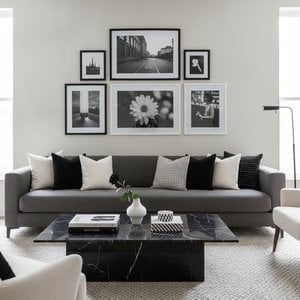
Timeless & Chic: Elevating Your New Home with the Sophistication of Black and White Photography
Transform your new home with the timeless allure of black and white photography. ArtsDot.com specializes in elegant monochrome decor and custom hand-painted wedding portraits that turn cherished milestones into lasting, soulful masterpieces. Elevate your space with ease.

Beyond the Lens: Photography's Enduring Influence on Modern & Contemporary Art
Explore photography's pivotal role in shaping modern & contemporary art. Discover key movements, influential artists like Stieglitz, and expert collecting advice from ArtsDot.

Top 10 slavných obrazů s dominantní černou barvou | ArtsDot.cz
Prozkoumejte 10 nejslavnějších obrazů s dominantní černou barvou od Van Gogha, Muncha a dalších mistrů. Objevte příběhy za uměleckými díly, techniky a inspiraci. Reprodukce obrazů nejvyšší kvality na ArtsDot.com.

