


Obraz odpovídá vašim volbám: , .
Popis sbírného předmětu
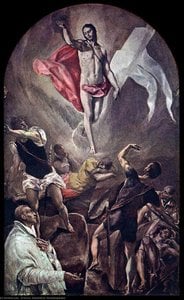
Witness the dramatic Resurrection of Christ by Gerard Seghers! This Baroque masterpiece captures the pivotal moment with vibrant colors, dynamic figures, and profound symbolism – a timeless testament to faith and hope.
 Zobrazit více
Biografie umělce
Gerard Seghers (1591-1651) was a Flemish Baroque painter known for his Caravaggisti works, monumental genre scenes & religious altarpieces. A successful artist & dealer in Antwerp, he later embraced Rubens' influence. Explore his dramatic chiaroscuro
Ručně malovaná olejová reprodukce
Rukou malované olejné plátno v libovolném rozměru i s rámem, vyrobené našimi umělci na zakázku. ( Přepnout na tisk Přepnout na digitální obraz)
Více informací o tomto obrazu
 Náhled v interiéru
 Sdílet
 Sdílet
 Podrobnosti o díle
 Průvodce

 Stáhnout
 Podobné položky
 Rentgenové snímky
 Slideshow
 Otázky a odpovědi
 Statistiky
Objednejte si svůj obraz ve čtyřech jednoduchých krocích
Nespěchejte. Každou odpověď můžete změnit; cena v košíku se bude přizpůsobovat každé vaší volbě.
1 První krok ze čtyř
Jakou velikost si přejete?
Tyto velikosti zachovávají proporce původního obrazu. Návrh ukazuje vaši volbu na stěně nad dvumetrovou pohovkou.
nebo zadejte vlastní rozměry
Vyberte si z našich přednastavených velikostí, které odpovídají původním proporcím díla.

Zadejte šířku a výšku, které potřebujete pro váš rám nebo stěnu. Protože se jedná o ruční malbu, při výběru jiného formátu může umělec kolem obrazu domalovat o něco více, nebo jej mírně oříznout — rozhodnete si vy. Před zahájením malby vám zašleme digitální náhled ke schválení. Obraz zobrazený na této stránce neodpovídá skutečnému výsledku — pouze digitální náhled jej zobrazuje.
2 Druhý krok ze čtyř
Jak by mělo být připraveno: srolované, na plátno natažené nebo v rámu?
Ceny níže platí pro rozměr, který jste si zvolili v prvním kroku.
Vyberte si okraje plátna
Vyberte si rámeček

Bílé okraje Kč1

Rozostřené okraje Kč1

Prodloužené okraje Kč1

P118B Kč10

P118H Kč10

P118W Kč10

P438Z Kč10

P508JH Kč12

P508YH Kč12

P805H Kč10

P805Z Kč10

P919BZ Kč10

P919G Kč10

P919XJ Kč10

P959ZH Kč10

P968JZ Kč12

W106C Kč8

W218G Kč10

W218JH Kč8

W218Y Kč10

W307PJ Kč10

W316G Kč10

W316PJ Kč8

W316Y Kč10

W398PJ Kč8

W4111J Kč10

W500HY Kč15

W500JH Kč15

W692G Kč12

W849H Kč8

W940BG Kč15

W953PJ Kč8

H24-GOLD Kč30

H24-SILVER Kč30

H36-GOLD Kč45

H36-SILVER Kč45
V rámu
Profil: . Celkové rozměry včetně rámu: .
3 Třetí krok ze čtyř
Přejete si v malbě něco změnit?
Většina lidí odpoví ne. Protože každý obraz je vytvořen ručně, náš umělec jej pro vás může také upravit.
Po přijetí objednávky vám tým ArtsDot.com pošle e-mail s instrukcemi a poskytne náhled návrhu
4 Čtvrtý krok ze čtyř
Několik možností provedení
Všechny jsou volitelné. Již zvolené odpovědi nesepisují žádné dodatečné náklady.
Kdo je autor?
Celosvětová doprava () za 3–4 týdny namísto standardních 5 týdnů. (6 listopad). Bez kompromisů v kvalitě.
Štítek jako v muzeu?
Detaily ryté bronzové plakety
This elegant plaque features the artist's name and the title of the artwork, finely engraved for a timeless presentation.
It is made from bronze with a refined, elegant finish. The text is precisely laser-engraved for a sharp and permanent result. Measuring 9x2 cm, the plaque is compact yet easy to read. It's built to be durable and scratch-resistant, offering a professional, museum-quality look. Mounting is simple thanks to the included adhesive backing.
Detaily průhledné akrylové desky
The plaque includes essential engraved details such as the artist's name, the title of the artwork, the date it was created, the type of media used-like oil on canvas or watercolor-a brief description of the piece, and a QR code that links to the complete artwork information.
It is crafted from clear acrylic, offering a sleek, modern appearance. The text is UV-engraved in black to ensure strong visual contrast. With a size of 10x15 cm, it ensures optimal readability. It comes equipped with two metal hooks for secure wall mounting. The plaque is designed to be weather-resistant, making it suitable for various environments, and it includes interactive features that work seamlessly with smartphone scanning.
Detaily černé akrylové destičky
This elegant plaque includes engraved information such as the artist's name, the title of the artwork, the date it was created, the type of media used (like oil on canvas or watercolor), a short description of the artwork, and a QR code for quick access to more information.
The plaque itself is made from refined black acrylic with a premium finish. The text is laser-engraved in white for high contrast and readability. Its size is 10x15 cm, designed to be easy to read. It comes with two metal hooks for professional mounting. The design is sleek and fits any interior style. It is also weather-resistant and durable, with built-in digital integration for mobile compatibility.
Ochranný lak?
Kdy jej potřebujete?
✓ Kontrola a objednávka
Váš obraz přesně podle objednávky

LA RESURRECTION DU CHRIST
Technika reprodukce
Rozměry reprodukce
-

Vybraní mistři umění
Vyšší míra detailu, jemnosti a delší doba výroby
-

Možnosti rámování reprodukcí
-
-
U děl nebo reprodukcí, u nichž je jakákoliv strana větší než 105 cm (přibližně 41 palců), bude rám dodán jako sestava v rozloženém stavu. Tato metoda zajišťuje bezpečné doručení a chrání dílo před poškozením během přepravy.
Vyžaduje se odborná montáž – nejedná se o produkt pro svépomocnou realizaci (DIY).
Sestava musí být složena a plátno napnuto zkušeným profesionálním rámovačem s použitím dřevěného lepidla (není součástí balení), kleští na napínání plátna a svorek pro udržení pravých úhlů křížů během schnutí lepidla. Nesprávná montáž nebo nerovnoměrné napnutí plátna může způsobit trvalé poškození uměleckého díla, které není kryto naší zárukou.
 U děl nebo reprodukcí, u nichž je jakákoliv strana větší než 105 cm (přibližně 41 palců), bude rám dodán jako sestava v rozloženém stavu. Tato metoda zajišťuje bezpečné doručení a chrání dílo před poškozením během přepravy.
Jsou zahrnuty všechny lišty z masivního dřeva, přesně na míru nařezané.
Sestavuje se pomocí součástí balení (šroubů), plus dřevěného lepidla na rohové spoje, které není součástí balení a musí jej zajistit váš rámovač.
Vyžaduje se profesionální nářadí, které není součástí sady: kleště na napínání plátna a svorky pro udržení kolmosti příček během schnutí lepidla.
Důležité:
Spoje v rozích vyžadují lepidlo na dřevo, tyčinky musí být přichyceny pomocí svorek, dokud lepidlo zcela neuschne, a pro napnutí plátna na sestavený rám je zapotřebí kleští na natahování plátna. Žádný z těchto náčiní není součástí sady. Před objednáním této velikosti prosím zajistěte zkušeného profesionálního rámovače.

Popisek díla
-
-

Ochranný lak
Lesklý lak (zvýrazňuje barvy, chrání před světlem a vlhkostí)
-

Přizpůsobit své umělecké dílo
Příklady možných úprav: nahrazení obličeje fotografií zákazníka; přidání domácího mazlíčka (např. výměna kočky za psa); vložení skrytého vzkazu do pozadí; změna krajiny nebo prvků v pozadí.
-

Prioritní doručení
Celosvětové doručení () za 3–4 týdny namísto standardních 5 týdnů. (6 listopad). Bez kompromisů v kvalitě.
-
Expresní doručení
Celosvětová doprava () do 5 týdnů. (13 listopad).
V ceně
Celková cena za vybrané možnosti reprodukcí
Kč 11721
Skleněná varianta je dostupná pouze u rozměrů menších než 110 cm
Součást každé objednávky
- Zdarma celosvětová expresní doprava
- Vysoce kvalitní lněné plátno
- Kompletní pojištění přepravy
- Záruka vrácení celního poplatku
- Záruka věrného barevného souladu
- 100dení lhůta pro vrácení zboží (pouze při vadách výroby)
- 100% záruka vrácení peněz
- Sleva při více objednávkách


The Resurrection of Christ – A Baroque Masterpiece by Gerard Seghers
Gerard Seghers’s “La Résurrection du Christ” is not merely a depiction of a biblical event; it's a visceral embodiment of faith, triumph, and divine grace. Painted in the early 17th century during a period of intense religious fervor within the Flemish Baroque movement, this monumental work transcends its historical context to resonate powerfully with viewers today. Seghers, deeply influenced by the dramatic innovations of Caravaggio, masterfully employs light, color, and dynamic composition to convey the profound spiritual significance of Christ’s resurrection – a moment that fundamentally reshaped Christian belief.
The painting immediately commands attention through its sheer scale and theatrical intensity. Centered within a pyramidal structure, Christ ascends from an open tomb, his figure bathed in a radiant light that seems to emanate directly from the heavens. This isn’t a gentle, serene ascension; it's a forceful surge upwards, conveying both physical movement and spiritual elevation. The composition is deliberately crowded, teeming with figures – angels bearing banners adorned with crosses, grieving women, and onlookers rendered in varying states of awe and disbelief. Seghers skillfully uses overlapping forms and dramatic foreshortening to create a sense of depth and immediacy, pulling the viewer directly into the heart of the scene.
A Symphony of Color and Light – Baroque Techniques
Seghers’s mastery lies in his command of color and light—elements central to the Baroque aesthetic. He employs a rich, saturated palette dominated by deep reds, earthy browns, and shimmering golds, evoking both earthly passion and divine splendor. The stark contrasts between light and shadow, or *chiaroscuro*, are particularly striking, highlighting Christ’s luminous form while simultaneously casting dramatic shadows across the surrounding figures. This technique not only adds depth and volume but also imbues the scene with a palpable sense of drama and emotional intensity. Notice how the golden hues of the angels' garments contrast sharply with the somber tones of the tomb, further emphasizing Christ’s victory over death.
The artist’s brushwork is deliberately visible, contributing to the painting’s textured surface and conveying a sense of immediacy and energy. Layers of paint are applied in broad strokes, creating a dynamic interplay between smooth areas and rougher textures – particularly evident in the drapery and the stone of the tomb. This technique, characteristic of Baroque art, adds a layer of physicality to the scene, making it feel both monumental and intensely human.
Symbolism and Spiritual Resonance
Beyond its visual drama, “La Résurrection du Christ” is laden with symbolic meaning. The flag bearing the cross is a potent emblem of Christian faith, representing the sacrifice and resurrection of Jesus. The angels, depicted as messengers of divine grace, symbolize God’s intervention in human affairs. The expressions on the faces of the onlookers – ranging from profound grief to ecstatic joy – reflect the diverse range of emotions evoked by this pivotal event. The inclusion of the grieving women, traditionally Mary Magdalene and Mary at the tomb, underscores the personal impact of Christ's resurrection on humanity.
Interestingly, the painting’s roots lie in a complex interplay of artistic influences. Seghers was deeply influenced by Caravaggio’s dramatic use of light and shadow, as well as Bartolomeo Manfredi, another prominent Caravaggisti painter. However, Seghers developed his own distinctive style, characterized by a greater emphasis on composition and a more refined handling of color. The painting's historical context is also significant; it was created during a period of intense religious debate and reform within the Catholic Church, reflecting the era’s fervent spiritual atmosphere.
A Legacy of Dramatic Faith
“La Résurrection du Christ” stands as a testament to Gerard Seghers’s artistic genius and his profound understanding of Christian iconography. It's more than just a historical depiction; it’s an emotionally charged meditation on faith, sacrifice, and the promise of eternal life. The painting continues to captivate viewers with its dramatic intensity, masterful technique, and enduring symbolism – a powerful reminder of the transformative power of Christ’s resurrection.
Otázky a odpovědi
Jak lze vysvětlit situaci s autorskými právy u díla „LA RESURRECTION DU CHRIST“ od Gerard Seghers?
Dílo „LA RESURRECTION DU CHRIST“ od Gerard Seghers spadá do v rámci volného užití – autorská práva vypršela. Autorská práva se počítají od roku úmrtí autora; Gerard Seghers zemřel(a) v roce 1651.
Jaká je vnímaná jasnost díla „LA RESURRECTION DU CHRIST“ od Gerard Seghers?
Celkově je dílo „LA RESURRECTION DU CHRIST“ hodnoceno jako shadow. Vnímaná jasnost popisuje, jak světlé nebo tmavé se dílo jeví.
Do jaké fáze tvůrčího rozvoje Gerard Seghers patří dílo „LA RESURRECTION DU CHRIST“?
„LA RESURRECTION DU CHRIST“ představuje období Late Period umělce Gerard Seghers.
Podobná díla




Gerard Seghers
1591 - 1651, Belgium
Biografie umělce
Gerard Seghers: A Caravaggisti Pioneer of Flanders
Gerard Seghers, born in Antwerp in 1591 and tragically passing away in 1651, stands as a pivotal figure bridging the dynamic transition between the High Renaissance and the Baroque periods within Flemish art. More than simply a painter, he was an astute art collector, shrewd dealer, and a key representative of the Caravaggisti movement – artists deeply influenced by the dramatic style pioneered by Michelangelo Merisi da Caravaggio. His journey took him from the relative stability of Antwerp to the vibrant, challenging environment of Rome and Spain, ultimately shaping his distinctive artistic voice and leaving behind a legacy of powerful religious scenes, evocative genre paintings, and monumental altarpieces that continue to captivate viewers today.Early Life and Artistic Training
Seghers’s early life remains shrouded in some mystery, though we know he was the son of an innkeeper, Jan Seghers, and Ida de Neve. Remarkably, there's little evidence suggesting a direct familial connection to Daniel Seghers, the renowned Jesuit painter specializing in still lifes – a distinction that adds another layer of intrigue to his story. At the tender age of twelve, he enrolled as a pupil within the prestigious Guild of Saint Luke in Antwerp, an institution crucial for training aspiring artists. The identity of his initial teacher remains uncertain, with speculation pointing towards figures like Abraham Janssens, Hendrick van Balen, or Caspar de Crayer (the father of Gaspar de Crayer). This early period was foundational, providing him with the technical skills and artistic principles necessary to embark on his ambitious career.Rome and the Caravaggisti Influence
In 1608, at just seventeen years old, Seghers achieved master status within the Antwerp Guild, a remarkable accomplishment for someone so young. However, his true artistic development began with a pivotal journey to Italy around 1611. This period in Rome proved transformative, exposing him directly to the fervent followers of Caravaggio – artists who had themselves been deeply affected by the revolutionary style of the Italian master. Among these disciples was Bartolomeo Manfredi, whose dramatic use of light and shadow profoundly impacted Seghers’s early work. He immersed himself in their techniques, studying their compositions and absorbing their intense emotionalism. He also encountered other prominent Caravaggisti residing in Rome, including Gerard van Honthorst, Dirck van Baburen, and Jan Janssens, broadening his artistic horizons and solidifying his commitment to the Caravagist aesthetic.Return to Flanders and a Shift in Style
Returning to Antwerp around 1620, Seghers initially continued to produce works firmly rooted in the Caravaggisti style – characterized by tenebrism (extreme contrasts between light and dark), dynamic compositions, and a focus on realistic depictions of human emotion. However, as his career progressed, he gradually moved away from this purely Caravagist approach. He began to incorporate elements of Peter Paul Rubens’s distinctive style—a master painter who had profoundly influenced the artistic landscape of Antwerp—resulting in a more refined and polished aesthetic. This shift is particularly evident in his later altarpieces for local churches, where he created monumental works imbued with grandeur and emotional depth while retaining a sense of dramatic realism.Major Works and Legacy
Seghers’s artistic output spanned a diverse range of subjects. His paintings are renowned for their powerful depictions of religious scenes, such as “Christ and the Penitent Sinners” (c. 1640-1651), which vividly portrays the suffering of Christ alongside his followers, showcasing his mastery of dramatic lighting and emotional intensity. “The Denial of St. Peter” exemplifies his ability to capture intense human drama through carefully rendered figures and a masterful use of chiaroscuro. “Saint Eloi au pied de la Vierge” demonstrates his skill in portraying religious iconography with both spiritual depth and artistic beauty. Beyond these iconic works, Seghers produced numerous genre scenes—depictions of everyday life—and contributed significantly to the decoration of important civic events, including the lavish celebrations surrounding Cardinal-Infante Ferdinand’s entry into Ghent in 1635. His legacy extends beyond his individual paintings; he was a respected art dealer and collector, contributing to the vibrant artistic culture of Antwerp during a period of significant change. Gerard Seghers remains a compelling figure—a testament to the dynamic interplay between artistic influences, personal evolution, and the enduring power of Baroque painting.Související články

Barokní mistrovská díla: 10 obrazů, které definovaly umělecký styl | ArtsDot.cz
Objevte 10 ikonických děl barokního umění – od Caravaggia po Rembrandta. Ponořte se do příběhů mistrů, technik a emocí tohoto velkolepého období. Reprodukce obrazů nejvyšší kvality na ArtsDot.com! Prozkoumejte celou kolekci online.

The Dramatic Flourish: Exploring the Baroque Movement's Enduring Legacy in Art History
Explore the dramatic world of Baroque art! Discover iconic artists like Caravaggio & Rubens, defining techniques, and its lasting impact on art history. Expert insights for collectors & enthusiasts at ArtsDot.

The Visceral Stage: Exploring Dramatic Narratives & Emotional Intensity in Baroque Art
Explore the dramatic world of Baroque art! Discover iconic masters like Caravaggio & Rembrandt, their techniques, and the movement's lasting impact. Expert insights for collectors & enthusiasts at ArtsDot.