


 Zobrazit v interiéru
 Odeslat
 Sdílet
 Podrobnosti
 Průvodce

 Stáhnout obrázek
 Podobné kousky
 Rentgenové snímky
 Slideshow
 Statistiky
The Annunciation


 Přečíst si více
Ručně malovaná olejová reprodukce
Ručně malované olejné plátno v libovolném rozměru i s rámem, vyrobené našimi umělci na zakázku. ( Přepnout na tiskové verze Přepnout na digitální verzi obrazu)




P118B Kč10

P118H Kč10

P118W Kč10

P438Z Kč10

P508JH Kč12

P508YH Kč12

P805H Kč10

P805Z Kč10

P919BZ Kč10

P919G Kč10

P919XJ Kč10

P959ZH Kč10

P968JZ Kč12

W106C Kč8

W218G Kč10

W218JH Kč8

W218Y Kč10

W307PJ Kč10

W316G Kč10

W316PJ Kč8

W316Y Kč10

W398PJ Kč8

W4111J Kč10

W500HY Kč15

W500JH Kč15

W692G Kč12

W849H Kč8

W940BG Kč15

W953PJ Kč8




Vyberte si z našich přednastavených velikostí, které odpovídají původním proporcím díla.

Zadejte šířku a výšku, které potřebujete pro váš rám nebo stěnu. Protože se jedná o ruční malbu, při výběru jiného formátu může umělec kolem obrazu domalovat o něco více, nebo jej mírně oříznout — rozhodnete si vy. Před zahájením malby vám zašleme digitální náhled ke schválení. Obraz zobrazený na této stránce neodpovídá skutečnému výsledku — pouze digitální náhled jej zobrazuje.
Po přijetí objednávky vám tým ArtsDot.com zašle e-mail s pokyny a poskytne náhledovou verzi.
Celosvětová doprava () za 3–4 týdny namísto standardních 5 týdnů. (22 říjen). Bez kompromisů v kvalitě.

Zdarma celosvětová expresní doprava

Vysoce kvalitní lněné plátno

Úplné pojištění přepravy

Záruka vrácení celního poplatku

Záruka věrného barevného shodu

100dení lhůta pro vrácení zboží (pouze při vadách výroby)

100% garance vrácení peněz

Sleva při více objednávkách
 Skleněná varianta je dostupná pouze u rozměrů menších než 110 cm

The Annunciation
Technika provedení
Velikost reprodukce
-


Celková cena
Kč 5589
A Divine Encounter in Flemish Light
In the quiet, hallowed stillness of Gerard David’s The Annunciation, time seems to suspend itself, inviting the viewer into a moment of profound spiritual revelation. Created in 1506, this masterpiece of the Northern Renaissance serves as more than a mere biblical illustration; it is a window into the soul of the late Middle Ages, where the earthly and the divine intersect with breathtaking clarity. The scene captures the pivotal instant when the Archangel Gabriel descends to deliver his celestial message to the Virgin Mary. There is an undeniable serenity that permeates the composition, a hush that commands attention and draws the observer into the intimate sanctity of the room. For those seeking to bring a sense of peace and contemplative grace into a modern living space, this work offers an unparalleled emotional anchor.
The artistry of David is most strikingly evident in his mastery of Flemish Light. Through the meticulous application of oil on wood, he achieves a luminous quality that feels almost supernatural. The light does not merely illuminate the scene; it seems to emanate from within the figures themselves, particularly through the radiant, flowing robes of Gabriel. The artist employs a sophisticated use of chiaroscuro, playing with the delicate balance between deep, velvety shadows and the soft, diffused glow streaming through diamond-paned windows. This interplay creates a palpable sense of three-dimensional depth, making the interior space feel real enough to touch, yet ethereal enough to transcend the physical world.
Symbolism and the Language of Devotion
Every element within this meticulously crafted tableau is imbued with layers of symbolic meaning, designed to guide the faithful through a journey of meditation. The composition itself follows a classical pyramidal structure, a technique that directs the eye upward, mirroring the spiritual ascent of the soul. As Gabriel gestures toward the unseen, his movement bridges the gap between the heavens and the terrestrial chamber. The dark wood paneling and the intricate geometric patterns of the floor provide a grounded, architectural stability, contrasting beautifully with the celestial fluidity of the angel’s presence.
Beyond the central figures, subtle details whisper of purity and acceptance. The inclusion of specific textures—the heavy weight of the drapery, the cold smoothness of the window panes, and the delicate floral motifs on the floor—serves to ground the miraculous event in a recognizable reality. For the discerning collector or interior designer, these details offer a rich tapestry of visual interest that rewards prolonged study. The painting does not just depict a story; it embodies the humanist ideals of the era, where the beauty of the natural world was seen as a direct reflection of divine perfection.
An Eternal Legacy for the Discerning Collector
To possess a reproduction of The Annunciation is to invite a piece of art history into one's home. This work represents the zenith of the Netherlandish tradition, a period where technical precision met profound emotional depth. Whether placed in a grand gallery or a quiet study, the painting acts as a focal point of sophistication and tranquility. It appeals to those who appreciate the fine details of Renaissance craftsmanship—the subtle gradations of color, the masterful handling of light, and the evocative narrative that has captivated viewers for over five centuries.
As an investment in atmosphere, this piece provides a timeless elegance that complements both classical and contemporary interiors. It offers a sense of continuity with the great masters, bringing the quiet majesty of the 16th-century Flemish workshops into the modern era. In an age of rapid change, the enduring stillness of David’s vision remains a powerful sanctuary for the eyes and the spirit.
Otázky a odpovědi
O čem "The Annunciation" je a jakou atmosféru vyzařuje?
„The Annunciation“ od Gerard David zachycuje annunciation, angel, flemish painting, renaissance art, religious iconography, geometric patterns, light and shadow v Elegant náladě. Předmět a atmosféra dohromady definují toto dílo.
Do jaké části domácnosti se hodí reprodukce díla „The Annunciation“?
Reprodukce díla „The Annunciation“ se skvěle hodí do Living Room.
Jaké emoce vyjadřuje dílo Northern Renaissance s názvem „The Annunciation"?
Calm emoce díla „The Annunciation“ doprovází jeho styl, který patří k Northern Renaissance.
Související díla


Biografie umělce
A Master of Flemish Light: The Enigmatic World of Gerard David
Gerard David, a name that resonates with the brilliance of early Netherlandish painting, remains an artist shrouded in intriguing mystery. Born around 1460 in Oudewater, Netherlands, his life story is pieced together from fragmented archival records and the eloquent testimony of his art. Unlike some contemporaries whose lives are richly documented, David’s personal narrative is sparse, allowing his paintings to speak volumes where biographical details fall silent. What is known suggests a remarkably successful career, likely managing workshops in both Antwerp and Bruges – centers of artistic innovation during the Renaissance. His reputation experienced an ebb in the 17th century, only to be gloriously resurrected by 19th-century art historians who recognized his unique contributions to the Northern Renaissance. He was inducted as a free master into the Corporation of Imagemakers and Saddlers in Bruges in 1484, marking a pivotal moment in his ascent. His later involvement with the Antwerp guild in 1515 further solidifies his standing within the artistic community.Formative Influences and Artistic Development
David’s artistic journey began under influences that shaped the very foundation of his style. Early works reveal a clear debt to painters like Jacob Janszoon, Dieric Bouts, and Geertgen tot Sint Jans – masters who instilled in him a meticulous attention to detail and a sensitivity to religious narrative. It is believed he spent time in Haarlem absorbing these lessons before relocating to Bruges, a vibrant hub of artistic exchange attracting talent from across Europe. Here, David encountered the masterpieces of Jan van Eyck, Rogier van der Weyden, and Hans Memling, absorbing their techniques while forging his own distinct path. He didn’t merely imitate; he synthesized these influences into something uniquely his own – a style characterized by luminous color, serene compositions, and an increasingly sophisticated understanding of landscape. His early paintings demonstrate this evolution, moving from the doll-like figures reminiscent of Haarlem traditions towards more sculptural forms grounded in their environment. Consider *Christ Nailed to the Cross*; it’s not simply a depiction of suffering but a study in volume and light, reflecting Bouts' spatial construction combined with David’s burgeoning coloristic sensibility. This transition is further evident in his early depictions of the Virgin Mary, moving away from the stylized poses of earlier masters towards a more naturalistic portrayal.Innovation in Landscape and Religious Narrative
Gerard David’s artistic signature lies in his innovative approach to both landscape and religious subject matter. He wasn't simply depicting backgrounds; he was creating immersive environments that enhanced the emotional resonance of his scenes. His landscapes are not merely decorative, but integral components of the narrative, often imbued with symbolic meaning. This fascination with natural settings – dense forests, rolling hills, expansive skies – set him apart from many of his contemporaries and foreshadowed the development of landscape painting as an independent genre. His *View in a Forest*, part of a triptych, exemplifies this approach. It’s not simply a representation of trees; it's a world unto itself, rendered with meticulous detail and atmospheric perspective – capturing the dappled light filtering through the branches and creating a sense of depth and mystery. Within his religious works, David demonstrated a remarkable ability to convey both profound spirituality and human emotion. Paintings like *The Marriage of St. Catherine* exemplify this skill. The scene is rendered with exquisite detail, yet it’s the subtle expressions on the figures' faces – their piety, contemplation, or gentle joy – that truly captivate the viewer. He possessed a gift for imbuing his sacred subjects with a sense of quiet dignity and relatable humanity. The *Triptych of the Madonna Enthroned and Saints* in Genoa showcases this mastery, presenting a harmonious composition filled with vibrant color and delicate detail. The use of perspective and the integration of figures within the landscape create a powerful sense of realism and emotional depth. His *Virgin Among the Virgins*, donated to the Carmelite nuns of Sion at Bruges, is another testament to his skill, featuring a self-portrait within the painting itself – a rare and intimate gesture from an artist of his time, suggesting a personal connection between the creator and his subject.Major Achievements and Artistic Style
David’s career spanned several decades, during which he produced a remarkable body of work that established him as one of the leading artists of his generation. He was particularly renowned for his altarpieces – monumental works that combined religious narrative with intricate landscapes and detailed figures. The *Judgment of Cambyses* (two panels) and the triptych of the *Baptism of Christ* in Bruges are prime examples of his skill and ambition. These paintings demonstrate his mastery of color, composition, and perspective, as well as his ability to create a sense of drama and emotion. His style is characterized by a luminous palette, often employing rich reds, blues, and golds. He paid meticulous attention to detail, rendering fabrics, textures, and facial expressions with remarkable accuracy. Furthermore, David was one of the first Northern Renaissance painters to incorporate elements of Italian Renaissance art into his work, particularly in his use of perspective and the depiction of classical figures. His later works show a shift towards greater simplification and abstraction, reflecting the influence of artists like Ambrosius Benson, who worked as his assistant.Legacy and Enduring Influence
Though his fame waned for a period after his death in 1523, Gerard David’s influence on subsequent generations of artists is undeniable. His innovative use of color, his masterful handling of light and shadow, and his pioneering approach to landscape all left an indelible mark on the development of Flemish painting. He paved the way for artists who would further explore the expressive potential of natural settings, such as Jacob Patinir and Jacob van Ruisdael.- A Bridge Between Traditions: David successfully bridged the gap between the late medieval tradition and the emerging Renaissance style.
- Influence on Landscape Painting: His detailed and atmospheric landscapes foreshadowed the development of landscape as a distinct genre.
- Masterful Colorist: He was renowned for his vibrant palette and skillful use of color to create emotional impact.
Exploring Further
- ArtsDot.com: Discover an extensive collection of Gerard David’s paintings, including *The Adoration of the Magi*.
- View in a Forest: Explore this stunning Northern Renaissance landscape painting.
- The Early Netherlandish Art Movement: Delve deeper into the artistic context of David’s work.

Gerard David
1450 - 1523 , Nizozemsko
Rychlé informace
- Artistic Movement Or Style: Raně netherlandská malba
- Artists Or Movements Influenced By This Artist: ['Italská renesance']
- Artists Who Influenced This Artist:
- Jacob Janszoon
- Dieric Bouts
- Geertgen tot Sint Jans
- Date Of Birth: c. 1460
- Date Of Death: 1523
- Full Name: Gerard David
- Nationality: Nizozemec
- Notable Artworks:
- Svatba sv. Kateřiny
- Madona na trůně
- Vzhled v lese
- Place Of Birth: Oudewater, Nizozemsko
Související články
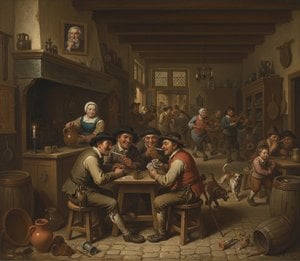
David Teniers II: Master of Flemish Genre & Social Commentary
Explore the captivating world of David Teniers II, a leading Flemish Baroque painter renowned for his lively genre scenes & insightful social commentary. Discover his masterpieces and legacy with ArtsDot.

Dante Gabriel Rossetti: Top 25 děl a umělecké ikony pro váš domov | ArtsDot.cz
Prozkoumejte 25 ikonických děl Dante Gabriela Rossettiho – symbolismus, viktoriánský romantismus a krásné ženy v obrazech. Reprodukce obrazů nejvyšší kvality pro váš interiér na ArtsDot.cz. Objevte celou kolekci online!
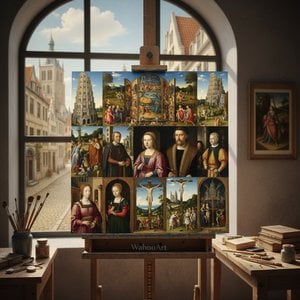
Top 10 mistrovských děl severní renesance – obrazy a umění pro váš domov | ArtsDot.com
Objevte 10 ikonických děl severní renesance – Jan van Eyck, Dürer a další mistři. Ponořte se do příběhů umění, technik a barev. Reprodukce obrazů pro váš domov na ArtsDot.com.

Gerard David: Bridging Late Medieval Tradition with Early Renaissance Humanism
Explore the captivating world of Gerard David, a pivotal figure bridging late medieval artistry with the Early Renaissance. Discover his innovative techniques, religious masterpieces, and enduring legacy – a must-read for discerning art collectors.

The Northern Renaissance: A Flourishing of Realism, Religious Reform & Artistic Innovation
Explore the Northern Renaissance! Discover Jan van Eyck's innovations, religious shifts, & key artists of this influential period. Expert analysis and insights into Early Netherlandish painting at ArtsDot.


