


 Náhled
 Sdílet
 Sdílet
 Podrobnosti o díle

 Stáhnout
 Podobné položky
 Rentgenové snímky
 Slideshow
Warrior-shaped Vase


 Zobrazit více
Giclée / Umělecký tisk
Giclée nebo plátěný tisk muzeální kvality s rychlou výrobou a flexibilními možnostmi povrchové úpravy. ( Koupit ručně malovaný obraz Koupit obrázek)




































Vyberte si z našich přednastavených velikostí, které odpovídají původním proporcím díla.

Můžete zadat vlastní rozměry tak, aby výtvor odpovídal konkrétnímu rámu nebo prostoru. Pokud zvolená velikost nebude odpovídat poměru stran původního obrazu, dílo buď ořížeme, nebo obraz rozšíříme pomocí zrcadlového efektu či jednobarevného okraje. Před zahájením výroby vám bude zaslán digitální náhled k schválení.
Mějte prosím na paměti, že náhled na obrazovce neodráží skutečné oříznutí nebo rozšíření. Pouze digitální náhled přesně zobrazí finální kompozici.
Ačkoliv jsou k dispozici i vlastní rozměry, pro zachování původních proporcí doporučujeme vybrat si rozměr z předdefinovaného seznamu.
Celosvětové doručení () do 2 týdnů namísto standardních 4/5 týdnů. (13 srpen)

Zdarma celosvětová expresní doprava

Vysoce kvalitní lněné plátno

Kompletní přepravní pojištění

Záruka vrácení celního poplatku

Záruka přesného barevného shodu

60denní lhůta pro vrácení zboží (pouze při vadách výroby)

100% garance vrácení peněz

Sleva při hromadné objednávce
 Skleněná varianta je dostupná pouze u rozměrů menších než 110 cm

Warrior-shaped Vase
Giclée / Umělecký tisk
Rozměry reprodukce
-


Celková cena za výběr
$ 62
Popis sběratelského kousku
Podobná umělecká díla


Biografie umělce
The Enigmatic Virú: Unveiling the Art and Legacy of Gallinazo
Nestled within the verdant embrace of Peru’s northwest coast, along a narrow strip of land bordered by the formidable Andes Mountains and the vast Pacific Ocean, lies a civilization shrouded in mystery yet brimming with artistic brilliance – the Virú culture, more commonly known as the Gallinazo. Emerging during the early Intermediate Period (roughly 200 BCE to 600 CE), this society, centered around the urban hub of the Gallinazo group site, left behind a legacy etched primarily in its distinctive ceramic art, offering a captivating glimpse into a complex and sophisticated pre-Columbian world.
The Virú Valley itself presents a unique geographical challenge – a coastal landscape demanding ingenuity for survival. This environment fostered a society that skillfully adapted to its surroundings, developing an intricate irrigation system—a testament to their engineering prowess—and establishing a hierarchical administrative structure comprised of four tiers. The rise of this centralized governance coincided with significant social, economic, and political transformations: an increase in population density, expanded agricultural lands, the construction of vital canals, and ultimately, the consolidation of regional leadership within the Gallinazo group site.
Perhaps the most enduring aspect of the Virú culture is its ceramic tradition. Unlike the elaborate polychrome works of the Moche civilization to the south, Gallinazo ceramics are characterized by a remarkable technique known as negative painting. This involved meticulously covering portions of the clay with wax before firing; once removed, the exposed areas revealed intricate geometric patterns and stylized figures in varying shades of red. These designs weren’t merely decorative; they likely held symbolic significance, potentially representing cosmological beliefs or social hierarchies. The warrior-shaped vases, exemplified by the “Warrior-shaped Vase” (a stunning example of this technique), are particularly noteworthy, depicting elite individuals adorned with elaborate headdresses and regalia – a clear indication of the importance of status within Virú society.
A Culture Forged in Clay: Artistic Techniques and Symbolism
The negative painting technique employed by Gallinazo potters is truly remarkable. It demanded precision, patience, and a deep understanding of how clay reacted to heat. The wax served as both a protective layer and a tool for creating intricate designs – a testament to the skill and artistry of these ancient artisans. Beyond the geometric patterns, the imagery often incorporated stylized human figures, animals, and mythical creatures, suggesting a rich symbolic vocabulary. The prevalence of warrior motifs hints at a society valuing military prowess and leadership, while other depictions may reflect religious beliefs or social customs.
Interestingly, Gallinazo ceramics demonstrate a distinct stylistic evolution over time. Early examples tend to be simpler in design, gradually becoming more elaborate and incorporating increasingly complex geometric patterns as the culture developed. This artistic progression mirrors broader societal changes – a reflection of growing sophistication and increasing complexity within Virú society.
Historical Context and Influences
The Virú culture emerged during a period of significant change in Andean societies, transitioning from the earlier Chavin and Mochica cultures to the later Moche. While sharing some artistic similarities with the Moche, particularly in their use of ceramics, the Virú developed its own unique style and administrative structure. The influence of neighboring cultures, including the Vicús culture further south, is also evident in certain stylistic elements.
Archaeological evidence suggests that the Virú Valley was a crucial crossroads for trade and exchange between coastal communities and inland regions. This strategic location facilitated the flow of goods, ideas, and cultural influences, contributing to the dynamism and complexity of the Virú culture. The discovery of Huaca Santa Clara, lacking signs of Moche conquest, further challenges traditional narratives, suggesting a more nuanced relationship between these cultures – perhaps one characterized by adaptation and exchange rather than outright domination.
Legacy and Rediscovery
Despite its relatively short lifespan—lasting from approximately 200 BCE to 600 CE—the Virú culture left an indelible mark on the Peruvian landscape. Its distinctive ceramic art, particularly the negative painting technique, continues to fascinate archaeologists and art historians alike. The Gallinazo group site itself remains a significant archaeological zone, offering valuable insights into the daily lives, social structures, and artistic traditions of this enigmatic civilization.
Ongoing research and excavations continue to shed new light on the Virú culture, challenging long-held assumptions and revealing previously unknown aspects of its history. The Fowler Museum in Los Angeles houses a remarkable collection of Gallinazo ceramics, providing a tangible link to this fascinating pre-Columbian society. As we delve deeper into the archaeological record, the legacy of the Virú—the Gallinazo—promises to become even richer and more compelling.
Useful Resources
- Warrior-shaped Vase: /en/art/gallinazo-warrior-shaped-vase-D7U35R-en/
- Gallinazo: /en/artists/gallinazo-en/
Further Reading:
- Bennett, Wendell C. 1939 *Archaeology of the North Coast of Peru: An Account of Exploration and Excavation in Viru and Lambayeque Valleys*. New Haven: Yale University Press.
- Bawden, Garth. 1995. “The Structural Paradox: Moche Culture as Political Ideology.” *Latin American Antiquity* 6(3):255-273.

gallinazo
Peru
Rychlé fakta
- Artistic Movement Or Style: Negative painting ceramics
- Date Of Death: Living
- Full Name: gallinazo
- Nationality: Peruvian
- Notable Artworks: ['Warrior-shaped Vase']
- Place Of Birth: Virunga Valley, Peru
Související články

Luca della Robbia: Renaissance Sculpture & the Innovation of Terracotta Glazing
Discover the innovative terracotta glazing techniques of Luca della Robbia, a Renaissance master sculptor. Explore his iconic works, legacy, and collecting tips with ArtsDot.

Golden Hour on the Nile: Symbolism & Artistic Legacy of Egyptian Sunsets
Explore the rich symbolism of Egyptian sunset paintings & their artistic legacy. Discover how color, ritual, and landscape shaped ancient beliefs – a guide for discerning collectors.

Utagawa Kuniyoshi: A Master of Japanese Ukiyo-e – Narrative Innovation & the Fusion of Tradition with Popular Culture
Explore the captivating world of Utagawa Kuniyoshi, a master of Japanese ukiyo-e woodblock prints. Discover his innovative warrior scenes, vibrant landscapes & lasting legacy in 19th-century art history.

The Alchemy of Clay: A Collector's Guide to the Mastery, Texture, and Timeless Form of Ceramic Art
Discover the profound beauty of ceramic art. Our expert guide explores the alchemy of clay, texture, and glaze, offering collectors deep insights into mastering earth and fire to create timeless, sculptural masterpieces for any curated collection.
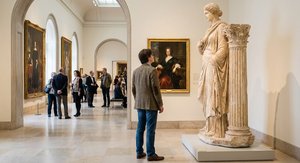
The Enduring Legacy of Classical Style: Form, Narrative & Influence in Art
Explore the enduring legacy of classical art – from ancient Greece & Rome to Neoclassicism. Discover key artists, philosophical roots & build a timeless collection with ArtsDot's expert guidance.

