


 Odeslat
 Sdílet
 Podrobnosti
 Průvodce

 Stáhnout obrázek
 Podobné kousky
 Slideshow
 Statistiky
Rondanini Faun


 Přečíst si více
Giclée / Umělecký tisk
Giclée nebo plátěný tisk muzeální kvality s rychlou výrobou a širokou nabídkou povrchových úprav. ( Objednat ručně malovanou reprodukci Přepnout na digitální verzi obrazu)




































Vyberte si z našich přednastavených velikostí, které odpovídají původním proporcím díla.

Můžete zadat vlastní rozměry tak, aby výtvor odpovídal konkrétnímu rámu nebo prostoru. Pokud zvolená velikost nebude odpovídat poměru stran původního obrazu, dílo buď ořížeme, nebo obraz rozšíříme pomocí zrcadlového efektu či jednobarevného okraje. Před zahájením výroby vám bude zaslán digitální náhled k schválení.
Mějte prosím na paměti, že náhled na obrazovce neodráží skutečné oříznutí nebo rozšíření. Pouze digitální náhled přesně zobrazí finální kompozici.
Ačkoliv jsou k dispozici i vlastní rozměry, pro zachování původních proporcí doporučujeme vybrat si rozměr z předdefinovaného seznamu.
Celosvětové doručení () do 2 týdnů namísto standardních 4/5 týdnů. (26 září)

Zdarma celosvětová expresní doprava

Vysoce kvalitní lněné plátno

Úplné pojištění přepravy

Záruka vrácení celního poplatku

Záruka věrného barevného shodu

100dení lhůta pro vrácení zboží (pouze při vadách výroby)

100% garance vrácení peněz

Sleva při více objednávkách
 Skleněná varianta je dostupná pouze u rozměrů menších než 110 cm

Rondanini Faun
Giclée / Umělecký tisk
Velikost reprodukce
-


Celková cena
$ 62
Introduction
The Rondanini Faun is a marble sculpture by Flemish artist François Duquesnoy, located in the British Museum in London. Completed between 1625 and 1630, this masterpiece of Baroque restoration showcases Duquesnoy's skill in completing antique statues with a contemporary style.Background
The Rondanini Faun was built on an ancient torso, which Duquesnoy completed with new limbs and a head. The statue takes its name from the Palazzo Rondanini in Rome, where it was once kept. In 17th-century restoration of antique statues, the latter were often imbued with Baroque style by the contemporary sculptor who completed the opus. Albeit not excessively so, the Rondanini is no exception, its broad movement being proof thereof.Description
The Rondanini Faun depicts a faun in mid-action, up on the toes of his right foot with his left foot lifted, both arms extended and head raised, as if he had just leapt and struck the cymbals he is holding. Duquesnoy's completion of antiques was acclaimed in Rome as 'absolutely perfect,' and the broad movement of the faun is a sign of the Baroque influence in his day.Significance
The Rondanini Faun is an important example of Baroque restoration, showcasing Duquesnoy's skill in completing antique statues with a contemporary style. The statue's broad movement and dynamic pose make it a standout piece in the British Museum's collection.Conclusion
The Rondanini Faun by François Duquesnoy is a masterpiece of Baroque restoration, showcasing the artist's skill in completing antique statues with a contemporary style. Located in the British Museum, this sculpture is an important example of the Baroque era and a must-see for art enthusiasts.Visit Us
Interested in seeing the Rondanini Faun and other masterpieces up close? Visit our website ArtsDot.com to learn more about our hand-made oil painting reproductions, created by our team of expert artists.References
Související díla


Biografie umělce
François Duquesnoy: A Flemish Sculptor in Rome
- Born: Nettuno, Italy (1597)
- Died: 1643
Early Life and Training
- François duquesnoy, also known as Frans Duquesnoy, was born in Brussels. His father, Jérôme duquesnoy the elder, served as the court sculptor to Archduchess Isabella and Archduke Albert.
- Duquesnoy received his early training in Brussels, demonstrating talent that attracted the attention of the archduke.
- The archduke provided financial support for Duquesnoy to study in Rome, where he would spend the majority of his career.
- Upon arriving in Rome around 1618, Duquesnoy meticulously studied antique sculpture, famously climbing over the equestrian Marcus Aurelius to understand its construction.
Artistic Style and Influences
- Duquesnoy's style is characterized by a classicized approach, often contrasted with the more emotional and theatrical works of Gian Lorenzo Bernini.
- He showed greater affinity for Alessandro Algardi’s sculptures.
- Contemporary critics, like Giovanni Bellori, praised Duquesnoy's ability to restore contemporary sculpture to the quality of ancient Roman sculpture.
- Nicolas Poussin, a fellow expatriate artist, shared Duquesnoy's classicized and emotionally detached style, and they lived together in Rome for a time.
- Duquesnoy collaborated with Bernini on several projects, including designs for angels offering garlands at St. Peter’s Basilica.
Major Works and Achievements
- Santa Susanna (1629): Considered one of Duquesnoy's masterpieces, this sculpture depicts the saint with a balance of modesty and revealing draperies, earning high praise from Bellori. A marble copy resides in the Louvre.
- St. Andrew (1629-33): This larger-than-life statue adorns St. Peter’s Basilica, showcasing Duquesnoy's restrained style compared to Bernini and Francesco Mochi's contributions.
- Rondanini Faun: An early work demonstrating his skill in expanding upon antique torsos, though later criticized by neoclassicists. Now located at the British Museum.
- Apollo and Cupid: A notable sculpture showcasing mythological themes.
- Mercury: Another significant work displaying Duquesnoy's talent for depicting classical figures.
Historical Significance
- Duquesnoy played a crucial role in the Roman Baroque art scene, offering an alternative to Bernini’s dramatic style with his more restrained and classicized approach.
- Cardinal Richelieu offered him the position of royal sculptor in France, aiming to establish a royal academy of sculpture in Paris, though Duquesnoy died before he could take up the post.
- His work influenced subsequent generations of sculptors and contributed to the development of Neoclassical art.
- Bellori's high praise solidified his reputation as a restorer of classical ideals in sculpture.

François Duquesnoy
1597 - 1643 , Italy
Rychlé informace
- Artistic Movement Or Style: Baroque sculpture
- Artists Who Influenced This Artist: ['Nicolas Poussin']
- Date Of Birth: 1597
- Date Of Death: 1643
- Full Name: François Duquesnoy
- Nationality: Flemish
- Notable Artworks:
- Rondanini Faun
- St Susanna
- St Andrew
- Victory of Sacred Love
- Bacchanalia of Putti
- Place Of Birth: Nettuno, Italy
Související články

The Enduring Form: Sculpture Across History, Technique & Emotional Resonance
Explore the rich history of sculpture with ArtsDot. Discover key techniques, influential artists & investment potential for discerning collectors. Expert insights into valuing and collecting timeless masterpieces.

The Enduring Form: Exploring Themes & Techniques in Sculpture Across Historical Periods
Explore the rich history of sculpture from ancient masterpieces to contemporary innovations. Discover key techniques, influential artists & investment potential for discerning art collectors.

10 legendárních bronzových soch, které změnily umění | ArtsDot
Objevte 10 legendárních bronzových soch od Michelangela, Rodina a dalších mistrů! Ponořte se do historie umění, technik a příběhů za těmito nadčasovými díly. Najděte inspiraci pro váš interiér s ArtsDot.com – repliky nejvyšší kvality.
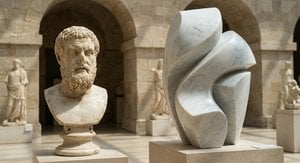
The Enduring Allure of Marble in Art History: From Classical Sculpture to Modern Abstraction
Explore the captivating history of marble sculpture from ancient Greece to modern art. Discover renowned artists like Canova & Michelangelo, carving techniques, and investment insights at ArtsDot.

The Enduring Legacy of Marble: A Comprehensive Exploration of Technique, Symbolism & Artistic Expression
Explore the rich history of marble sculpture from antiquity to the Renaissance! Discover key techniques, influential artists & enduring themes in classical art. Expert insights for collectors and enthusiasts at ArtsDot.