


 Náhled
 Sdílet
 Sdílet
 Podrobnosti o díle

 Stáhnout
 Podobné položky
 Rentgenové snímky
 Slideshow
 Statistiky
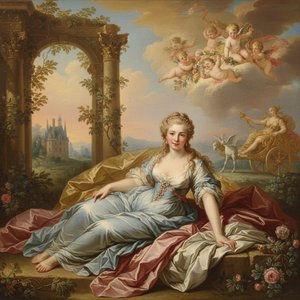
Madame de Pompadour
 Oil On Canvas
- WallArt
- Rococo Style
 1754
1754 36.0 x 28.0 cm
 Národní galerie Victoria
 Zobrazit více
Ručně malovaná olejová reprodukce
Ručně malovaná olejná barva na plátně ve vašem zvoleném rozměru i s rámem, vyrobená našimi umělci na zakázku. ( Přepnout na tisk Přepnout na digitální obraz)




P118B $10

P118H $10

P118W $10

P438Z $10

P508JH $12

P508YH $12

P805H $10

P805Z $10

P919BZ $10

P919G $10

P919XJ $10

P959ZH $10

P968JZ $12

W106C $8

W218G $10

W218JH $8

W218Y $10

W307PJ $10

W316G $10

W316PJ $8

W316Y $10

W398PJ $8

W4111J $10

W500HY $15

W500JH $15

W692G $12

W849H $8

W940BG $15

W953PJ $8




Vyberte si z našich přednastavených velikostí, které odpovídají původním proporcím díla.

Můžete zadat vlastní rozměry pro konkrétní rám nebo prostor. Pokud se vámi vybraná velikost neshoduje s proporcemi původního obrazu, dílo buď ořízneme, nebo jej doplníme ručně malovanými prvky. Před zahájením výroby vám bude zaslán digitální náhled ke schválení.
Upozorňujeme, že náhled na obrazovce neodpovídá skutečnému ořezu ani rozšíření. Pouze digitální náhled přesně zobrazí finální kompozici.
Ačkoliv je možné zvolit vlastní velikost, pro zachování původních proporcí doporučujeme vybrat rozměr z předdefinovaného seznamu.
Po přijetí objednávky vám tým ArtsDot.com zašle e-mail s pokyny a poskytne náhledovou verzi.
Celosvětová doprava () za 3–4 týdny namísto standardních 5 týdnů. (12 září). Bez kompromisů v kvalitě.

Zdarma celosvětová expresní doprava

Vysoce kvalitní lněné plátno

Kompletní přepravní pojištění

Záruka vrácení celního poplatku

Záruka přesného barevného shodu

100dená lhůta pro vrácení zboží (pouze při vadách)

100% garance vrácení peněz

Sleva při hromadné objednávce
 Skleněná varianta je dostupná pouze u rozměrů menších než 110 cm

Madame de Pompadour
Technika reprodukce
Rozměry reprodukce
-


Celková cena za výběr
$ 263
A Portrait of Patronage: Madame de Pompadour by François Boucher
- Subject: This exquisite hand-painted reproduction captures the essence of Madame de Pompadour, Jeanne-Antoinette Poisson, a figure who epitomized the opulent and influential court of Louis XV. Commissioned in 1754 by her brother, the Marquis de Marigny, this portrait transcends a simple likeness; it’s a celebration of her patronage of the arts and a testament to the flourishing Rococo style.
- Artist: François Boucher (1703-1770), a luminary of the French Rococo movement, masterfully renders Madame de Pompadour's grace and sophistication. Boucher’s career was defined by his ability to infuse classical ideals with a distinctly playful and sensual aesthetic, making him one of the most sought-after artists of his time.
Rococo Elegance: Style and Technique
- Style: The painting is a quintessential example of Rococo art – characterized by its delicate ornamentation, asymmetrical compositions, and emphasis on light, airy colors. Boucher’s work exemplifies the movement's embrace of elegance, charm, and a sense of playful fantasy.
- Technique: Boucher employs meticulous draughtsmanship and a refined understanding of color theory to create a scene brimming with visual richness. Note the subtle gradations in tone, the delicate rendering of fabrics, and the masterful use of light to highlight Madame de Pompadour’s features and the surrounding decorative elements. The composition is carefully balanced, drawing the eye through layers of detail – from the swirling garland of flowers to the attentive expressions of the putti.
Symbolism and Narrative: A Tapestry of Artistic Interests
- Composition: The painting’s composition is rich with symbolic meaning. Madame de Pompadour, seated at the heart of the scene, is surrounded by a profusion of flowers – a direct reference to her title as “Madame la Marquise de Pompadour,” and a symbol of beauty and abundance.
- Attributes: Scattered around her are the emblems of the arts she championed: brushes, palettes, musical instruments, books, and architectural models. These objects aren’t merely decorative; they represent the diverse range of artistic disciplines that flourished under her patronage – painting, sculpture, music, literature, and architecture. The presence of putti, cherubic figures representing innocence and creativity, further reinforces this theme.
- The Marquis de Marigny's Role: The inclusion of the Marquis de Marigny, Director-General of the King’s Buildings, highlights his crucial role in facilitating Madame de Pompadour’s artistic endeavors, underscoring the collaborative nature of patronage during this era.
A Timeless Masterpiece: Reproduction Details
- Size: 36 x 28 cm – a perfectly sized piece for display in a variety of settings, from a private study to an elegant salon.
- Hand-Painted Reproduction: This is not merely a print; it’s a meticulously hand-painted reproduction, created by skilled artisans who have painstakingly recreated Boucher's original techniques and color palette. The result is a piece that captures the depth, texture, and emotional resonance of the original painting.
- Perfect for Collectors & Interior Design: This artwork offers an exceptional opportunity to own a fragment of 18th-century French history and artistic brilliance. Its elegant style will complement a wide range of interior design schemes, adding a touch of sophistication and timeless beauty to any space.
Podobná umělecká díla


Biografie umělce
François Boucher: The Painter of Rococo Dreams
François Boucher (1703–1770) remains one of the most captivating and enduring figures in the history of French art. More than just a painter, he was a master orchestrator of beauty, a conduit for the aristocratic sensibilities of his time, and a pivotal architect of the Rococo style. His canvases shimmer with pastel hues, overflow with mythological grace, and whisper tales of pleasure, leisure, and an idealized world – a realm where elegance reigned supreme.
Early Years and Artistic Foundations
Born in Paris on September 29th, 1703, François Boucher’s artistic journey began not within the hallowed halls of a prestigious academy, but under the watchful eye of his father, Jean Boucher, a skilled embroiderer and painter of decorative patterns. This early exposure to craftsmanship instilled in him a meticulous attention to detail and an appreciation for refined aesthetics. At seventeen, he secured an apprenticeship with François Lemoyne, a leading painter at the Louvre, gaining invaluable experience in fresco painting – a demanding discipline that honed his technical skills and understanding of composition. Crucially, he also studied under Jean-François Cars, a renowned engraver, which significantly influenced his later work, particularly his use of line and detail.
The Grand Prix de Rome and Italian Influence
A defining moment in Boucher’s career arrived in 1720 when he won the prestigious Grand Prix de Rome. This competition, established by Pope Benedict XIV to encourage French artists to study in Italy, provided Boucher with a rare opportunity to immerse himself in the artistic treasures of Rome. He spent several years absorbing the influence of masters like Caravaggio and Tiepolo, particularly their dramatic use of light and shadow, and their ability to imbue religious subjects with intense emotion. The experience profoundly shaped his style, introducing him to new techniques and inspiring a shift towards a more dynamic and expressive approach – though he retained the delicate elegance characteristic of Rococo.
Ascension at Court: Madame de Pompadour and Royal Patronage
Upon his return to France in 1727, Boucher was immediately admitted to the Académie Royale de Peinture et de Sculpture. His debut work, “Rinaldo and Armida” (1734), a grand historical painting depicting a legendary love story, instantly established him as a rising star. However, it was his association with Madame de Pompadour, Louis XV’s influential mistress, that truly propelled him to the pinnacle of artistic fame. She became his most devoted patron, commissioning numerous works – portraits, mythological scenes, and decorative panels – that adorned her lavish estate at Versailles. Boucher's ability to capture the essence of aristocratic elegance and create a world of refined beauty made him indispensable to the court.
A World of Myth and Grace: Key Works and Themes
Boucher’s oeuvre is remarkably diverse, encompassing a wide range of subjects while consistently maintaining his signature style. His paintings frequently depict scenes from classical mythology – “The Triumph of Venus” (1740-1751) stands as a particularly dazzling example of his mastery in this genre, showcasing a multitude of nude figures amidst lush landscapes. He also excelled at portraiture, capturing the beauty and charm of noblewomen like Madame de Pompadour herself. Beyond these subjects, Boucher created numerous idyllic pastoral scenes – “The Breakfast” (1739) is a delightful example of domestic tranquility – and even ventured into landscape painting, producing works such as "The Setting of the Sun," characterized by their lyrical beauty and evocative atmosphere. Throughout his work, recurring themes include love, beauty, leisure, and an idealized vision of nature.
Legacy and Lasting Influence
François Boucher’s influence extended far beyond his own paintings. He designed costumes and sets for the theater, created elaborate tapestries for the Beauvais workshops, and collaborated with the Gobelins Manufactory, shaping the visual language of the French court and contributing significantly to the development of decorative arts. Despite facing criticism later in his career – some critics accused him of prioritizing superficial beauty over genuine emotion – Boucher’s impact on subsequent generations of artists is undeniable. He profoundly influenced figures like Jean-Honoré Fragonard, and his style helped pave the way for Neoclassicism through the work of his students. Today, François Boucher remains a celebrated figure in art history, remembered as the quintessential painter of Rococo – a master of elegance, grace, and the pursuit of beauty.

François Boucher
1703 - 1770 , Francie
Rychlé fakta
- Artistic Movement Or Style: Rokoko
- Artists Or Movements Influenced By This Artist: ['Neoklasicismus']
- Artists Who Influenced This Artist:
- François Lemoyne
- Jean-François Cars
- Date Of Birth: 29. září 1703
- Date Of Death: 30. května 1770
- Full Name: François Boucher
- Nationality: Francouzský
- Notable Artworks:
- Rinaldo a Armida
- Snídaně
- Triumf Veny
- Vulcan a Venuše
- Place Of Birth: Paříž, Francie
Související články
François Boucher: Rococo Master of Myth, Sensuality, and the French Court
Explore the captivating world of François Boucher, master of Rococo painting! Discover his iconic works, aristocratic patronage, and lasting influence on French art history. Learn more at ArtsDot.

Top 10 mistrovských děl rokokového umění | ArtsDot.cz
Prozkoumejte 10 ikonických děl rokokového umění – Fragonard, Boucher a další. Objevte příběhy mistrů, techniky a pastelové barvy tohoto elegantního stylu. Reprodukce obrazů nejvyšší kvality na ArtsDot.cz!

The Rococo Aesthetic: Opulence, Rebellion & the Pursuit of Pleasure in 18th-Century Art
Explore the opulent world of Rococo art! Discover its origins, key artists like Watteau & Boucher, and lasting influence on design. Expert insights for collectors & enthusiasts.

The Rococo Style: Aristocratic Leisure & the Pursuit of Delight in 18th-Century Art
Explore the opulent world of Rococo art! Discover Watteau, Boucher & Nattier's masterpieces. Expert insights for collectors seeking museum-quality reproductions and custom portraits at ArtsDot.

The Allure of Elegance in Art: A Historical & Aesthetic Exploration of Refinement & Grace
Explore the exquisite world of Rococo art! Discover its history, masters (Watteau, Boucher & more), and defining elegance. Expert insights for collectors seeking museum-quality reproductions & custom portraits.

