


 Zobrazit v interiéru
 Odeslat
 Sdílet
 Podrobnosti
 Průvodce

 Stáhnout obrázek
 Podobné kousky
 Rentgenové snímky
 Slideshow
 Statistiky
Pes


 Přečíst si více
Umělecké dílo zobrazené na této stránce je chráněno autorským zákonem, což znamená, že nemůžeme legálně vytvářet ani prodávat jeho identickou reprodukci. Tato ochrana je vymáhána na základě mezinárodních dohod, jako například Berberská úmluva a národními zákony, včetně těch stanovených v Americký autorský zákon – Díl 17. Všechna práva vyhrazena.
Jako etickou a právní alternativu nabízíme vlastní, ručně malovaná umělecká díla inspirovaná originálem. Naši zdatní a profesionální umělci si pečlivě studují styl, náladu a uměleckou podstatu originálu, aby vytvořili nové, jedinečné dílo, které vyvolává stejný pocit – přičemž zůstává samostatným originálním tvůrčím dílem.
Tato metoda je plně v souladu s autorským právem, protože nezahrnuje kopírování ani duplikování chráněného díla. Jde o kreativní reinterpretaci – nový obraz, který je inspirován originálem, ale není s ním identický.
Ručně malovaná olejová reprodukce
Ručně malované olejné plátno v libovolném rozměru i s rámem, vyrobené našimi umělci na zakázku. ( Přepnout na tiskové verze Přepnout na digitální verzi obrazu)




P118B Kč10

P118H Kč10

P118W Kč10

P438Z Kč10

P508JH Kč12

P508YH Kč12

P805H Kč10

P805Z Kč10

P919BZ Kč10

P919G Kč10

P919XJ Kč10

P959ZH Kč10

P968JZ Kč12

W106C Kč8

W218G Kč10

W218JH Kč8

W218Y Kč10

W307PJ Kč10

W316G Kč10

W316PJ Kč8

W316Y Kč10

W398PJ Kč8

W4111J Kč10

W500HY Kč15

W500JH Kč15

W692G Kč12

W849H Kč8

W940BG Kč15

W953PJ Kč8




Vyberte si z našich přednastavených velikostí, které odpovídají původním proporcím díla.

Zadejte šířku a výšku, které potřebujete pro váš rám nebo stěnu. Protože se jedná o ruční malbu, při výběru jiného formátu může umělec kolem obrazu domalovat o něco více, nebo jej mírně oříznout — rozhodnete si vy. Před zahájením malby vám zašleme digitální náhled ke schválení. Obraz zobrazený na této stránce neodpovídá skutečnému výsledku — pouze digitální náhled jej zobrazuje.
Po přijetí objednávky vám tým ArtsDot.com zašle e-mail s pokyny a poskytne náhledovou verzi.
Celosvětová doprava () za 3–4 týdny namísto standardních 5 týdnů. (22 říjen). Bez kompromisů v kvalitě.

Zdarma celosvětová expresní doprava

Vysoce kvalitní lněné plátno

Úplné pojištění přepravy

Záruka vrácení celního poplatku

Záruka věrného barevného shodu

100dení lhůta pro vrácení zboží (pouze při vadách výroby)

100% garance vrácení peněz

Sleva při více objednávkách
 Skleněná varianta je dostupná pouze u rozměrů menších než 110 cm

Pes
Technika provedení
Velikost reprodukce
-


Celková cena
Kč 5630
Předmět a kompozice
Toto ohromující dílo se soustředí kolem osamělého psa, zobrazeného syrovým a emocionálně nabitým způsobem. Pes, vykreslený expresivními tahy štětce, působí kontemplativně a ztělesňuje témata zranitelnosti, osamělosti a introspekce. Kompozice umístí zvíře do geometrického, téměř architektonického prostředí, čímž zdůrazňuje ostrý kontrast mezi organickou formou a rigidní strukturou. Interakce postavy s abstraktním pozadím vybízí diváky k prozkoumání hlubších emocionálních a existenciálních témat. Zrod tohoto obrazu tkví v Baconově fascinaci fotografiemi doběžících koní od Muybridgeho – série, která hluboce ovělnila jeho uměleckou vizi. Inspirovaný těmito snímky Bacon koncipoval psa jako symbol primárního instinktu a lidské existence, který zrcadlí dynamiku koně, ale zároveň vyjadřuje pocit izolace. Kompozici pečlivě utkal tak, aby zvýraznil tuto dualitu, využil k tomu protínající se linie vytvářející mřížkový vzor překrytý barevnými plochami – což je záměrná stylistická volba odrážející vliv abstraktního expresionismu. Umístění psa mírně mimo střed přispívá k nerovnováze, která podtrhuje jeho zranitelnost a posiluje celkovou náladu melancholie.Stylistický přístup a technika
Toto dílo, vytvořené v roce 1952, je ukázkou Baconova charakteristického stylu – intenzivní fúze abstrakce a figurativní reprezentace. Umělec využívá volné, energické tahy štětcem, aby vyvolal pohyb a život v podobě psa, což kontrastuje s přesnými, texturovanými červenými liniemi tvořícími mřížkovou strukturu. Tato technika, známá jako impasto, dodává povrchu plátna značnou hmatatelnou bohatost a vybízí diváky k senzorickému prožitku s dílem. Omezená, ale záměrná barevná paleta – tmavě modrá, černá, tlumená bílá a červená – prohlubuje emocionální rezonanci a zdůrazňuje náladu i atmosféru. Každý odstín je pečlivě zvážen, aby přispěl k celkovému narativu neklidu a zamyšlení. Umělcova mimořádná pozornost k detailu sahá daleko za samotné tahy štětcem; trpělivě vrstil textury a využíval jemné gradace barev, aby vytvořil pocit hloubky a dimenzionality. Bacon se záměrně vyhnul realistické reprezentaci a upřednostnil emocionální vyjádření před vizuální přesností – což je rys jeho umělecké filosofie. Výsledný obraz je znepokojivý, a přesto nepopiratelně fascinující, což odráží hluboké porozumění umělce lidské psychologii.Historický kontext a umělecký význam
Tento obraz, vzniklý v klíčovém období Baconovy kariéry, odráží poválečné klima existenciální nejistoty a emocionální zranitelnosti. Baconovo zkoumání syrových lidských i zvířecích emocí se vplete do širšího modernismu, který zdůrazňuje individuální introspekci a psychologickou hrobku. Geometrické prvky a ostré kontrasty odrážejí vliv abstraktního expresionismu a signalizují rozhodující odtržení od tradičních uměleckých konvencí. Současně zranitelnost tématu humanizuje abstraktní formy a vytváří silný příběh o izolaci a odolnosti – témata, která silně rezonují napříč časem i kulturou. Tento obraz stojí jako svědectví o Baconově neochvějné snaze čelit nepříjemným pravdám o lidské existenci. Ztělesňuje ducha své éry – období poznamenané deziluzí po druhé světové válce a rostoucí uvědoměním psychologických složitostí. Baconovo dílo nadále inspiruje umělce i kritiky a upevňuje jeho místo mezi nejvlivnějšími postavami 20. století.Symbolika a emocionální dopad
Osamělý pes může symbolizovat řadu hlubokých témat – osamělost, věrnost nebo primární lidskou kondici. Použití geometrických linií připomínajících vězení naznačuje pocity uvěznění či existenciálního omezení, což diváky zasahuje na viscerální úrovni. Tlumená, náladová barevná paleta zesiluje pocit melancholie a introspekce, díky čemuž se toto dílo stává nejen vizuálním prohlášením, ale i emocionální cestou. Pozývá diváky, aby se postavili vlastním strachům a úzkostem – což je odvážný čin, který podtrhuje trvalou sílu tohoto uměleckého díla. Nakonec „Pes“ z roku 1952 přesahuje pouhé zobrazení; stává se prostředkem pro zkoumání základních otázek o identitě, existenci a utrpení. Mistrovské ovládání formy a barvy nutí k zamyšlení a nabádá diváky, aby zvážili svůj vlastní vztah k zranitelnosti a odolnosti – což je nadčasové pozvání k hluboké umělecké reflexi.Otázky a odpovědi
Jaký pocit vyvolávají barvy díla „Pes“ od Francis Bacon?
Paleta Tmavé tóny díla „Pes“ od Francis Bacon ladí s jeho Melancholický emocionálním vyzněním. Barva je jedním ze způsobů, jakmu umělecké dílo předává pocity.
Jak je utkaná barevná kompozice díla „Pes“ od Francis Bacon?
V díle "Pes" je Prohlášení kontrast spojen s Měkká barevná paleta harmonií.
Jakou techniku a datum vzniku má dílo „Pes“ od Francis Bacon?
Dílo „Pes“ vzniklo v roce 1952 s využitím techniky Olej na plátně. Materiál a datum popisují, jakým způsobem a kdy byl originál vytvořen.
Související díla


Biografie umělce
Život ponořený do hlubin lidské existence
Francis Bacon, jméno neodmyslitelně spojené s nejhlubší emocionalitou umění 20. století, se narodil v Dublinu v Irsku roku 1909. Jeho skutečný tvůrčí duch však našel své vyjádření v bouřlivém prostředí poválečné Británie. Dětství nebylo snadné; časté stěhování kvůli zdravotnímu stavu matky v něm vzbudilo pocit odcizení, který hluboce ovlivnil jeho pohled na svět a nakonec pronikl do jeho pláten. Složitý vztah k přísnému otci a silné pouto s chůvou Jessií Lightfootovovou dále formovaly emocionální krajinu jeho dospívání. Zpočátku ho lákaly dostihy koní a život hazardu, Bacon se ztratil v různých zaměstnáních, než se nakonec na konci dvacátých let věnoval malbě – opožděný start, který možná zesílil naléhavost a intenzitu jeho pozdější tvorby. Nebyl formálně vzdělaný, místo toho si razil vlastní cestu, absorboval vlivy z různých zdrojů a rozvíjel jedinečně znepokojivý vizuální jazyk.Zlomové okamžiky raných inspirací
Baconovo umělecké probuzení nebylo okamžité, ale spíše postupná akumulace dojmů. Díla Pabla Picassa, zejména zkreslené figury jeho raného kubistického období, se ukázala jako zásadní v osvobození ho od tradiční reprezentace. Inspiraci nacházel také v pronikavé fotografii Egona Schieleho, jejíž expresivní deformace lidské podoby rezonovaly s Baconovou rostoucí fascinací křehkostí a zranitelností existence. Klíčovým katalyzátorem se však stalo náhodné setkání s filmem Sergeje Ejzenštejna *Potomkinova křižník*. Filmova silná vizuální stránka, zejména detail obličeje v agonii, se stala trvalým motivem Baconovy tvorby, symbolizujícím prvotní teror a hloubky lidského utrpení. Hluboce obdivoval i staré mistry, zejména Diega Velázqueze, jehož *Portrét papeže Innocentia X.* opakovaně reinterpretoval během své kariéry a proměnil autoritativní portrét pápeže v mučednickou postavu. Tyto vlivy nebyly pouhými stylistickými apropriacemi; byly absorbovány a transformovány Baconovou jedinečnou citlivostí, což vedlo k umělecké vizi, která byla hluboce osobní i univerzálně rezonující.Formování osobitého stylu: zkreslení a izolace
Baconův průlom přišel s *Tři studie k postavám u paty kříže* (1944), dílem, které šokovalo a uchvátilo publikum v poválečném Londýně. Tento triptych ustanovil jeho charakteristický styl – zkreslené, fragmentované figury izolované v klaustrofobických prostorech. Nebyla to zobrazení náboženského mučení, ale spíše hluboká zkoumání lidské úzkosti, zbavená jakéhokoli uklidňujícího vyprávění nebo duchovního útěchy. Jeho obrazy často obsahují rozmazané nebo rozpouštějící se tvary, které vyjadřují pocit psychické turbulence a fyzické zranitelnosti. Často používal geometrické struktury – klece, boxy – k uvěznění svých postav, zdůrazňoval jejich izolaci a bezmocnost. Baconova paleta byla obvykle tlumená a ponurá, odrážející temata, která zkoumal, i když protkána záblesky intenzivní barvy, které zvýšily emocionální dopad. Použití těchto klecí nebylo pouhým kompozičním zařízením; symbolizovalo inherentní omezení a překážky kladené na lidskou existenci. Snažil se zachytit nejen *jak* věci vypadají, ale *jak se cítí*, přenášel vnitřní stavy úzkosti, strachu a zoufalství na plátno s brutální upřímností.Témata smrtelnosti, úzkosti a lidské existence
Během své plodné kariéry se Bacon opakovaně vracel k určitým motivům: kříž jako symbol utrpení; portréty, které pronikaly do psychické intenzity jeho subjektů, často přátel a milenců, jako byl George Dyer; a autoportréty, které sloužily jako introspektivní zkoumání identity a smrtelnosti. Jeho série *Studie po Velázquezově portrétu papeže Innocentia X.* (1953) je možná jedním z jeho nejikoničtějších úspěchů, proměňuje důstojný portrét Velázqueze v křičící přízrak, ztělesňující existenciální hrůzu. Portréty George Dyera, jeho bouřlivého milence, jsou zvláště dojemné, zachycují intenzitu jejich spojení i nadcházející stín tragédie. Baconova práce nebyla o zobrazování konkrétních jedinců; šlo o zkoumání univerzálních témat lidské zranitelnosti, izolace a nevyhnutelnosti smrti. Nevyhýbal se temným stránkám existence, ale čelil jim přímo, nutí diváky konfrontovat vlastní smrtelnost a úzkost.Trvalý odkaz: výzva konvencím
Vliv Francise Bacona na umění 20. století je nepopiratelný. Zpochybnil tradiční představy o reprezentaci, odmítl idealizovanou krásu ve prospěch syrového a nelítostného zobrazení lidské existence. Jeho dílo hluboce ovlivnilo generace umělců a připravilo cestu pro nové formy vyjádření a výzvu konvenčním uměleckým hranicím.- Poválečný expresionismus: Bacon je považován za klíčovou postavu tohoto hnutí, ovlivňující umělce svým odvážným stylem a psychickou hloubkou.
- Aukční rekordy & Muzejní výstavy: Jeho obrazy stále dosahují vysokých cen na aukcích a jsou vystavovány v významných muzeích po celém světě, což upevňuje jeho postavení v dějinách umění.
- Konfrontace pravdy: Baconův odkaz spočívá v jeho schopnosti konfrontovat nepohodlné pravdy o lidské existenci a přenést tyto zážitky do silných a nezapomenutelných obrazů.

Francis Bacon
1909 - 1992 , Irsko
Rychlé informace
- Datum Narození: 28. října 1909
- Datum Úmrtí: 28. dubna 1992
- Místo Narození: Dublin, Irsko
- Národnost: Irsko-britská
- Ovlivnil Umělce/Směry: ['Poválečný expresionismus']
- Ovlivněno Umělci:
- Picasso
- Egon Schiele
- Plné Jméno: Francis Bacon
- Umělecký Směr: Expreseionismus
- Významná Díla:
- Tři studie...
- Pope série
- Portrét G. Dyer
Související články

Top 10 mistrovských děl abstraktního expresionismu | Umění a dekorace s ArtsDot.com
Prozkoumejte 10 ikonických děl abstraktního expresionismu od Pollocka, Rothka a dalších. Objevte příběhy za obrazy, techniky a barevné palety tohoto revolučního uměleckého hnutí. Reprodukce obrazů s ArtsDot.com – luxusní dekorace pro váš interiér. Prozkoumejte celou kolekci online!

Wassily Kandinsky: Top 25 mistrovských děl abstrakce pro váš interiér | ArtsDot.com
Prozkoumejte 25 ikonických děl Wassily Kandinského – průkopníka abstraktního umění a expresionismu. Objevte příběhy za barevnými kompozicemi, Bauhaus styl a inspirujte se pro váš interiér s reprodukcemi nejvyšší kvality na ArtsDot.com.

Geometrická abstrakce: 10 mistrovských děl, které změnily umění | ArtsDot.cz
Prozkoumejte 10 ikonických děl geometrické abstrakce od Mondriana, Maleviče a Kandinského. Objevte příběhy umělců, techniky a historii tohoto revolučního hnutí. Najděte inspiraci pro moderní dekorace a luxusní reprodukce obrazů na ArtsDot.com.
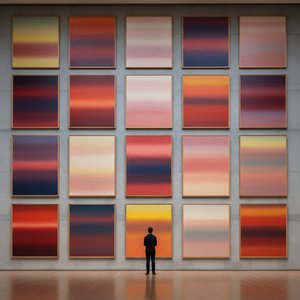
Mark Rothko: Top 25 děl mistra barev a emocí | ArtsDot.cz
Prozkoumejte 25 ikonických děl Marka Rothka, mistra abstraktního expresionismu. Objevte příběhy za jeho barevnými plátny a emoce v umění. Reprodukce obrazů nejvyšší kvality na ArtsDot.com.

Francis Bacon: Top 25 děl mistra expresionismu pro váš interiér | ArtsDot.com
Prozkoumejte top 25 děl Francis Bacona – mistra expresionismu. Objevíte jeho portréty, triptychy a emotivní malbu plnou temných barev. Reprodukce obrazů pro luxusní dekoraci interiéru na ArtsDot.com. Prohlédněte si celou kolekci online!


