


 Zobrazit v interiéru
 Odeslat
 Sdílet
 Podrobnosti
 Průvodce

 Stáhnout obrázek
 Podobné kousky
 Rentgenové snímky
 Slideshow
 Statistiky
The Visit
 Acrylic On Canvas
- WallArt
- Les Nabis
 1899
1899 5.0 x 87.0 cm
 Kunsthaus Zürich
 Přečíst si více
Ručně malovaná olejová reprodukce
Ručně malované olejné plátno v libovolném rozměru i s rámem, vyrobené našimi umělci na zakázku. ( Přepnout na tiskové verze Přepnout na digitální verzi obrazu)




P118B Kč10

P118H Kč10

P118W Kč10

P438Z Kč10

P508JH Kč12

P508YH Kč12

P805H Kč10

P805Z Kč10

P919BZ Kč10

P919G Kč10

P919XJ Kč10

P959ZH Kč10

P968JZ Kč12

W106C Kč8

W218G Kč10

W218JH Kč8

W218Y Kč10

W307PJ Kč10

W316G Kč10

W316PJ Kč8

W316Y Kč10

W398PJ Kč8

W4111J Kč10

W500HY Kč15

W500JH Kč15

W692G Kč12

W849H Kč8

W940BG Kč15

W953PJ Kč8




Vyberte si z našich přednastavených velikostí, které odpovídají původním proporcím díla.

Zadejte šířku a výšku, které potřebujete pro váš rám nebo stěnu. Protože se jedná o ruční malbu, při výběru jiného formátu může umělec kolem obrazu domalovat o něco více, nebo jej mírně oříznout — rozhodnete si vy. Před zahájením malby vám zašleme digitální náhled ke schválení. Obraz zobrazený na této stránce neodpovídá skutečnému výsledku — pouze digitální náhled jej zobrazuje.
Po přijetí objednávky vám tým ArtsDot.com zašle e-mail s pokyny a poskytne náhledovou verzi.
Celosvětová doprava () za 3–4 týdny namísto standardních 5 týdnů. (25 říjen). Bez kompromisů v kvalitě.

Zdarma celosvětová expresní doprava

Vysoce kvalitní lněné plátno

Úplné pojištění přepravy

Záruka vrácení celního poplatku

Záruka věrného barevného shodu

100dení lhůta pro vrácení zboží (pouze při vadách výroby)

100% garance vrácení peněz

Sleva při více objednávkách
 Skleněná varianta je dostupná pouze u rozměrů menších než 110 cm

The Visit
Technika provedení
Velikost reprodukce
-


Celková cena
Kč 5618
The Intimate Dance of Light and Shadow: Félix Vallotton’s “The Visit”
Félix Vallotton's "The Visit," painted in 1899, isn’t merely a depiction of a couple sharing a quiet moment; it’s a masterclass in capturing the subtle tensions and unspoken desires that simmer beneath the surface of domestic life. This work, rendered in delicate gouache on cardboard, exemplifies Vallotton's signature style – a restrained elegance combined with an almost unsettling psychological depth. He eschewed the grand narratives favored by many of his contemporaries, instead focusing on the quiet dramas unfolding within the confines of everyday existence. The painting immediately draws the eye to the central figures: a man and woman standing close together in what appears to be a modestly furnished living room. The composition is remarkably simple, yet profoundly effective; Vallotton utilizes a limited palette of blues, browns, and creams, creating a sense of muted intimacy. Notice how he avoids dramatic lighting or elaborate details, opting instead for the soft, diffused light that suggests an afternoon indoors – a light that seems to both illuminate and conceal. The room itself is subtly rendered, with a comfortable couch and two chairs arranged around a small table, hinting at a familiar setting, yet offering no specific clues about its occupants’ lives.A Nabis Masterpiece: Vallotton's Exploration of Modern Relationships
Vallotton was a key figure in the *Nabi* movement, a group of artists who sought to break away from academic traditions and explore new ways of representing modern life. The *Nabis*, meaning “prophets,” were interested in capturing the fleeting moments of everyday experience, often focusing on themes of sexuality, leisure, and urban alienation. "The Visit" perfectly embodies this aesthetic – it’s not a romanticized portrayal of love, but rather an observation of its complexities. Vallotton's approach was markedly different from that of his predecessors; he rejected the idealized representations of beauty prevalent in earlier art, opting instead for a more realistic and psychologically nuanced style. He frequently depicted scenes of urban life, capturing the energy and dynamism of Paris at the turn of the century. However, within this broader context, "The Visit" stands out for its intensely personal focus, inviting viewers to contemplate the unspoken emotions between the two figures. The painting’s power lies in its ambiguity; we are left to interpret their relationship – is it a tender embrace, a charged encounter, or simply a comfortable familiarity?Technique and Style: The Language of Restraint
Vallotton's technique is characterized by remarkable restraint and precision. He employed a *cloisonnism* style, which involves outlining forms with dark lines and filling them in with flat areas of color – a method borrowed from medieval enamelwork. This creates a sense of clarity and definition, particularly evident in the figures’ clothing and the furniture. His brushstrokes are smooth and controlled, contributing to the painting's overall sense of calm and composure. Crucially, Vallotton was a master of capturing subtle tonal variations – he used delicate gradations of color to create a sense of depth and atmosphere. The shadows aren’t stark or dramatic; they are soft and diffused, blending seamlessly into the surrounding colors. This meticulous attention to detail is what gives "The Visit" its remarkable realism and emotional resonance. Furthermore, Vallotton's use of gouache on cardboard allowed for a luminous quality, enhancing the painting's overall effect.Symbolism and Emotional Resonance: A Portrait of Quiet Tension
While seemingly straightforward, “The Visit” is rich in symbolic potential. The couple’s proximity suggests intimacy, but their averted gazes hint at unspoken anxieties or unresolved tensions. The neutral setting – a simple living room devoid of personal touches – further emphasizes the emotional distance between them. Some art historians have interpreted the painting as a commentary on the changing roles of men and women in late 19th-century society, where traditional gender roles were being challenged. The woman’s blue dress, a color often associated with femininity and serenity, contrasts subtly with the man's more subdued attire. The overall effect is one of quiet contemplation – a feeling that lingers long after you’ve turned away from the canvas. "The Visit" isn’t about grand gestures or dramatic declarations; it’s about the subtle nuances of human interaction, the unspoken words and hidden emotions that shape our relationships. It invites us to consider the complexities of intimacy and the enduring power of quiet moments.A Timeless Masterpiece: Reproductions and Beyond
Reproductions of “The Visit” offer a remarkable opportunity to experience Vallotton’s masterful technique and evocative imagery firsthand. Whether displayed in a contemporary interior or studied in an art museum, this painting continues to captivate viewers with its understated beauty and psychological depth. Consider how the muted palette and carefully rendered details would complement a modern space – perhaps alongside other works that share a similar sense of quiet elegance. "The Visit" is more than just a beautiful painting; it’s a poignant reflection on the complexities of human relationships, a testament to Vallotton's artistic vision, and a timeless masterpiece for art lovers everywhere.Otázky a odpovědi
Nachází se dílo „The Visit“ od Félix Vallotton v zemi původu umělce?
Ne – dílo se nachází v zahraničí. Félix Vallotton se narodil(a) v Švýcarsko, zatímco originál díla „The Visit“ je uchováván v muzeu v Švýtsko.
Kde se doporučuje umístit obraz s formátem Landscape díla „The Visit“?
Formát (Landscape) a doporučený prostor (Living Room) jsou dvě informace o umístění uvedené pro dílo „The Visit“ od Félix Vallotton.
Jaký emocionální náboj nese dílo „The Visit“ od Félix Vallotton?
„The Visit“ od Félix Vallotton vyzařuje Melancholic emocionální náboj.
Související díla


Biografie umělce
A Life Bridging Worlds: Félix Vallotton and the Fin de Siècle
Félix Édouard Vallotton, narozený v Lausanne v Švýcarsku v roce 1865, byl umělec, jehož dílo ztělesňuje složitou atmosféru *fin de siècle*. Navázal si cestu mezi švýcarskými kořeny a pulzující uměleckým prostředím Paříže, nakonec se stal klíčovou postavou v rozvoji moderního umění. Jeho rané životní zkušenosti, zakořeněné v konzervativních protestantských hodnotách jeho rodiny – otce farmaceut, později čokoládníka, a matky dcery výrobce nábytku – představovaly ostrý kontrast k bohémskému světu, do kterého se jako umělec promítl. Ačkoli byl původně směřován k klasickým studiím na Collège Cantonal, Vallottonova vášeň pro vizuální vyjádření ho v roce 1882 vedla do Paříže, kde nastoupil na Académie Julian. Toto nebylo pouhé geografické přesunutí, ale hluboká změna perspektivy, která ho vtáhla do srdce umělecké inovace a intelektuálního rozruchu. Jeho akademická výcvik poskytl pevný základ techniky, ale jeho setkání s novými avantgardními kruhy skutečně zapálila jeho kreativní cestu.The Nabis and the Language of Intimacy
Vallottonova umělecká evoluce nabrala klíčový obrat, když se stal spojenec *Les Nabis* – skupiny mladých umělců včetně Pierre Bonnarda, Édouarda Vuillarda a Maurice Denise – v roce 1892. Ačkoli byl často považován za trochu outsidera v rámci skupiny, jeho spojení se ukázalo jako zásadní pro utváření jeho charakteristického stylu. Nabis usilovali o to, aby umění obohacili duchovní kvalitou, zkoumali symbolismus a dekorativní estetiku. Vallotton absorboval tyto vlivy, ale filtroval je skrze svůj vlastní jedinečný cit, charakterizovaný chladným odstupem a neochvějnou realitou. To se nejvíce projevuje ve svém sérii dřevořezů, zejména *Intimités* (1898). Tato deset obrazová vnitřní scéna je pozoruhodná svou psychologickou intenzitou, zobrazující nabité setkání mužů a žen s znepokojivou upřímností. Nejsou to příběhy o lásce nebo vášni, ale spíše zkoumání napětí, mocenských dynamik a skrytých složitostí v domácím životě. Ostře kontrastující černé a bílé barvy ve svých dřevořezbách – záměrný odkaz na japonské *ukiyo-e* grafiky – zvýrazňují pocit znepokojení a psychologického zkoumání.Master of Woodcut and Painterly Nuance
Vallottonova mistrovská práce se nezměřila pouze v malířství; je široce oslavován jako virtuóz dřevořezu, který tuto formu oživilý inovativními technikami. Přijal její jednoduchost a přímotu a používal dramatické linky a ostré kontrasty k vytvoření obrazů, které byly vizuálně působivé i emocionálně rezonující. Jeho grafiky nebyly pouhé ilustrace, ale nezávislé umělecká díla, často satirická povahy, komentující sociální konvence a politické otázky. Současně se Vallotton pokračoval ve vývoji svého malířského stylu, odkláněl se od čistě akademických přístupů k osobnímu vyjádření. Umělecky mistrovsky vyvážil realismus s jemnými symbolickými podtexty a vytvářel portréty, krajiny a still life, které mají záhadnou atmosféru. Jeho pozdější malby demonstrují upravenou techniku, charakterizovanou pečlivým modulováním barev a přesným zobrazením tvaru. Často maloval *paysages composés* ("komponované krajinky"), sestavené z paměti a pozorování, nabité pocitem klidu a melancholie.Legacy and Enduring Influence
Félix Vallottonův vliv rezonoval v průběhu prvního století a ovlivnil umělce různého druhu, od Edvarda Muncha po Ernsta Ludwiga Kirchnera. Jeho neochvějný pohled, zkoumání psychologických témat a inovativní používání grafiky položily základy pro nové umělecké vyjádření. Zemřel v Paříži v roce 1925, zanechávaje za sebou dílo, které stále fascinuje a provokuje diváky dnešního dne. Jeho umění slouží jako poutavý odraz složitostí lidského zážitku s upřímností, inteligencí a trvalým pocitem záhadnosti. *Vallottonův dědictví nespočívá pouze v jeho technické brilanci, ale také v jeho schopnosti zachytit lidské zkušenosti s upřímností, inteligencí a trvalou atmosférou tajemství.* Je to poutavá postava – švýcarský umělec, který našel svůj hlas v Paříži, překonávající tradici a modernitu, realismus a symbolismus, zanechávající nezapomenutelný otisk v historii umění.
Félix Vallotton
1865 - 1925 , Švýcarsko
Rychlé informace
- Artistic Movement Or Style: Post-impresionismus, Symbolismus
- Artists Or Movements Influenced By This Artist: ['Les Nabis']
- Artists Who Influenced This Artist:
- Holbein
- Ingres
- Date Of Birth: 28. prosinec 1865
- Date Of Death: 29. prosinec 1925
- Full Name: Félix Edouard Vallotton
- Nationality: Švýcarsko/Francouzsko
- Notable Artworks:
- Intimities
- Bathers
- Moonlight
- Place Of Birth: Lausanne, Švýcarsko
Související články
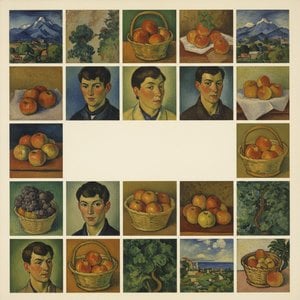
Paul Cézanne: 25 mistrovských děl a revoluce v moderním umění | ArtsDot.cz
Prozkoumejte 25 ikonických děl Paula Cézanna – průkopníka moderního umění a impresionismu. Obdivujte jeho still life, krajiny a portréty. Reprodukce obrazů v nejvyšší kvalitě na ArtsDot.com. Inspirace pro váš interiér!

Top 10 slavných obrazů vládnutých bílou barvou – Umění a inspirace pro interiér
Objevte top 10 slavných obrazů, kde bílá barva hraje klíčovou roli. Claude Monet, Van Gogh a další mistři! Inspirace pro váš interiér a reprodukce umění nejvyšší kvality na ArtsDot.com.
Top 10 slavných obrazů v odstínech černé – Umění a dekor s ArtsDot
Prozkoumejte 10 nejslavnějších obrazů ovládaných odstíny černé. Objevte příběhy za uměleckými díly, techniky a inspiraci ikonických mistrů. Reprodukce obrazů s ArtsDot – luxusní dekorace pro váš domov. Prohlédněte si celou kolekci online!

Top 10 slavných obrazů s dominantní černou barvou | ArtsDot.cz
Prozkoumejte 10 nejslavnějších obrazů s dominantní černou barvou od Van Gogha, Muncha a dalších mistrů. Objevte příběhy za uměleckými díly, techniky a inspiraci. Reprodukce obrazů nejvyšší kvality na ArtsDot.com.

Monochrome Visions: Exploring the Aesthetic & Historical Significance of Black & White Photography
Explore the rich history & artistic power of black and white photography. From early techniques to iconic masters like Ansel Adams, discover why monochrome continues to captivate art lovers today. Expert insights for collectors.
