


 Náhled
 Sdílet
 Sdílet
 Podrobnosti o díle

 Stáhnout
 Podobné položky
 Rentgenové snímky
 Slideshow
The Card Game # 2


 Zobrazit více
Ručně malovaná olejová reprodukce
Ručně malovaná olejná barva na plátně ve vašem zvoleném rozměru i s rámem, vyrobená našimi umělci na zakázku. ( Koupit tisk Koupit obrázek)




































Vyberte si z našich přednastavených velikostí, které odpovídají původním proporcím díla.

Můžete zadat vlastní rozměry pro konkrétní rám nebo prostor. Pokud se vámi vybraná velikost neshoduje s proporcemi původního obrazu, dílo buď ořízneme, nebo jej doplníme ručně malovanými prvky. Před zahájením výroby vám bude zaslán digitální náhled ke schválení.
Upozorňujeme, že náhled na obrazovce neodpovídá skutečnému ořezu ani rozšíření. Pouze digitální náhled přesně zobrazí finální kompozici.
Ačkoliv je možné zvolit vlastní velikost, pro zachování původních proporcí doporučujeme vybrat rozměr z předdefinovaného seznamu.
Po přijetí objednávky vám tým ArtsDot.com zašle e-mail s pokyny a poskytne náhledovou verzi.
Celosvětová doprava () za 3–4 týdny namísto standardních 5 týdnů. (6 září). Bez kompromisů v kvalitě.

Zdarma celosvětová expresní doprava

Vysoce kvalitní lněné plátno

Kompletní přepravní pojištění

Záruka vrácení celního poplatku

Záruka přesného barevného shodu

100denní lhůta pro vrácení zboží (pouze při vadách výroby)

100% garance vrácení peněz

Sleva při hromadné objednávce
 Skleněná varianta je dostupná pouze u rozměrů menších než 110 cm

The Card Game # 2
Technika reprodukce
Rozměry reprodukce
-


Celková cena za výběr
$ 313
Podobná umělecká díla


Biografie umělce
A Tapestry of Resistance and Poetic Vision
The life of Elizam Escobar was a profound testament to the indomitable strength of the human spirit, woven from threads of political conviction, literary grace, and visual mastery. Born in the vibrant southern city of Ponce, Puerto Rico, in 1948, Escobar emerged not merely as an artist, but as a polymath—a poet, theorist, and writer whose very existence became a canvas for the struggles of his nation. His early years were steeped in the cultural richness of the island, where a childhood passion for drawing and painting began to coalesce with a burgeoning awareness of the turbulent political landscape. As he pursued formal studies at the University of Puerto Rico, the echoes of the independence movement and the weight of colonial tensions became inseparable from his creative identity.
Escobar’s journey was marked by a dramatic intersection of art and activism. His involvement with the Fuerzas Armadas de Liberación Nacional (FALN) led to a period of profound personal and professional upheaval, including a conviction for seditious conspiracy and a sentence that threatened to silence his voice forever. Yet, it was within the confines of incarceration that his artistry underwent a transformative evolution. Rather than succumbing to the isolation of prison, Escobar utilized his time to cultivate an intense intellectual life, studying philosophy and producing a prolific body of work that served as a vital tool in the campaign for the release of Puerto Rican political prisoners. His art during these years was not merely a reflection of struggle, but a defiant act of existence.
Symbolism and the Language of the Canvas
To encounter an Elizam Escobar painting is to enter a space where color and texture speak a language far more complex than mere representation. His aesthetic style, refined through studies in New York City at institutions such as the Brooklyn Museum and the New York Art Students League, is characterized by a sophisticated use of visual symbolism. He moved beyond the boundaries of traditional painting, eventually incorporating digital and electronic transfer media to explore the nuances of contemporary existence. His works often grapple with themes of marginality, isolation, and the intricate nature of human communication, using bold palettes and evocative imagery to bridge the gap between the personal and the political.
Escobar’s theoretical contributions were as significant as his visual ones. He was a thinker who resisted the reduction of art to mere political propaganda, instead advocating for an artistic autonomy that allowed for a deeper, more symbolic exchange with the viewer. His essays explored the capacity of aesthetics to reveal the underlying structures of consciousness and thought. This intellectual rigor is evident in his most celebrated works, such as:
- Los sepultureros (1985): A haunting exploration of mortality and memory.
- El velorio (1991): A poignant reflection on ritual and loss.
- El embalsamador y la viuda (2001): A complex narrative piece that showcases his mastery of symbolic storytelling.
A Lasting Legacy of Cultural Identity
Following his release from prison in 1999 through presidential clemency, Escobar returned to Puerto Rico, bringing with him a renewed sense of purpose and a global perspective. He dedicated himself to teaching at the School of Visual Arts and Design in Old San Juan, passing his knowledge to a new generation of creators. His later works continued to push boundaries, reflecting on the phenomenon of the painter as an observer of reality and the shifting landscapes of the modern world. Even as he faced his final battle with cancer, his commitment to the intersection of art and truth remained unshakable.
The passing of Elizam Escobar in 2021 marked the end of a life that was, in every sense, a masterpiece of resilience. He leaves behind a legacy that transcends the boundaries of Puerto Rican art, standing as a monumental figure in Latin American contemporary history. Through his paintings, his poetry, and his unwavering dedication to social justice, Escobar ensured that the struggle for identity and liberation would forever be etched into the collective memory of the world. His work remains a vital, breathing testament to the power of art to transform suffering into profound, enduring beauty.

Elizam Escobar
1948 - 2021 , Puerto Rico
Rychlé fakta
- Artistic Movement Or Style: Political Painting
- Artists Or Movements Influenced By This Artist: ['Latin American Art']
- Artists Who Influenced This Artist:
- Samuel Sánchez González
- Emilio Rosado
- Date Of Birth: 1948
- Date Of Death: 2021
- Full Name: elizam escobar
- Nationality: Puerto Rican
- Notable Artworks:
- Waiting Room
- The Card Game # 2
- Place Of Birth: Ponce, Puerto Rico
Související články

The Enduring Legacy of Oil on Canvas: Technique, History & Aesthetic Impact
Explore the rich history & techniques of oil painting – from Renaissance masters to Impressionism. Discover pigments, layering methods, and why this timeless medium endures. Expert insights for artists & art enthusiasts.

Oil on Canvas: A Historical & Technical Exploration of a Timeless Artistic Medium
Explore the rich history & enduring techniques of oil painting on canvas. Discover the science behind its longevity, conservation practices, and contemporary relevance. Expert insights for art enthusiasts.

The Enduring Power of Painting: A Historical & Contemporary Exploration of Form and Emotion
Explore the rich history & enduring techniques of oil painting with ArtsDot. Discover masterpieces, learn about art collecting, and find authentic handmade reproductions crafted by skilled artists.

Trvalý odkaz olejomalby: Technika, historie a současná praxe
Prozkoumejte historii a techniky olejomalby s námi! Od středověku po současnost – detailní průvodce pro milovníky umění a profesionály. Objevte tajemství mistrů a inspirujte se.
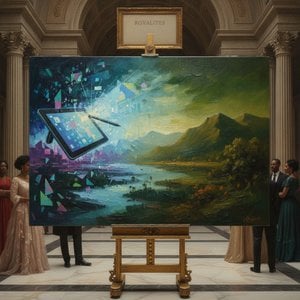
Přeměňte digitální umění na muzeální olejové reprodukci a získejte provizi s ArtsDot – investice do trvalé legacy pro NFT sběratele
Přeměňte digitální umění na muzeální olejovou reprodukci s ArtsDot – odborná péče, 100% spokojenost a možnost získat provizi z prodeje. Kvalita, důvěra a investiční hodnota v každém obrazu.