


 Náhled
 Sdílet
 Sdílet
 Podrobnosti o díle

 Stáhnout
 Podobné položky
 Rentgenové snímky
 Slideshow
 Statistiky
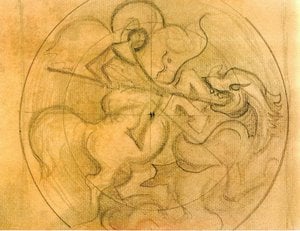
Portrait Study
 105.0 x 121.0 cm
 Grundy Art Gallery
 Zobrazit více
Giclée / Umělecký tisk
Giclée nebo plátěný tisk muzeální kvality s rychlou výrobou a flexibilními možnostmi povrchové úpravy. ( Koupit ručně malovaný obraz Přepnout na digitální obraz)




































Vyberte si z našich přednastavených velikostí, které odpovídají původním proporcím díla.

Můžete zadat vlastní rozměry tak, aby výtvor odpovídal konkrétnímu rámu nebo prostoru. Pokud zvolená velikost nebude odpovídat poměru stran původního obrazu, dílo buď ořížeme, nebo obraz rozšíříme pomocí zrcadlového efektu či jednobarevného okraje. Před zahájením výroby vám bude zaslán digitální náhled k schválení.
Mějte prosím na paměti, že náhled na obrazovce neodráží skutečné oříznutí nebo rozšíření. Pouze digitální náhled přesně zobrazí finální kompozici.
Ačkoliv jsou k dispozici i vlastní rozměry, pro zachování původních proporcí doporučujeme vybrat si rozměr z předdefinovaného seznamu.
Celosvětové doručení () do 2 týdnů namísto standardních 4/5 týdnů. (9 září)

Zdarma celosvětová expresní doprava

Vysoce kvalitní lněné plátno

Kompletní přepravní pojištění

Záruka vrácení celního poplatku

Záruka přesného barevného shodu

100dená lhůta pro vrácení zboží (pouze při vadách)

100% garance vrácení peněz

Sleva při hromadné objednávce
 Skleněná varianta je dostupná pouze u rozměrů menších než 110 cm

Portrait Study
Giclée / Umělecký tisk
Rozměry reprodukce
-


Celková cena za výběr
$ 62
Podobná umělecká díla


Biografie umělce
The Sculpted Soul: The Life and Legacy of Elizabeth Wyn Wood
In the quiet landscapes of Ontario, where the waters of Lake Couchiching meet the rugged beauty of the Canadian wilderness, a profound artistic vision was born. Elizabeth Wyn Wood, a name synonymous with the modernist evolution of Canadian sculpture, lived a life that mirrored the strength and texture of the earth she so loved. Born in 1903 near Orillia, her early years were steeped in the natural rhythms of the Canadian Shield, an environment that would later serve as both her muse and her primary subject. While many artists of her era sought refuge in European traditions, Wood possessed a singular drive to translate the raw, untamed essence of her homeland into permanent, tactile forms.
Her journey toward mastery was paved with rigorous discipline and an insatiable curiosity for form. After honing her skills at the Ontario College of Art under the guidance of luminaries like Arthur Lismer and J.E.H. MacDonald, Wood expanded her horizons in New York at the Art Students League. It was during this period of intense development that she began to synthesize the structural lessons of modernism with a deep-seated respect for organic reality. Her education was not merely about learning technique; it was an exploration of how mass, space, and volume could communicate the spirit of a nation. This pursuit of a uniquely Canadian aesthetic led her to embrace materials that echoed the ruggedness of her subject matter—ranging from the delicate elegance of marble to the enduring strength of granite, bronze, and aluminum.
A Modernist Vision of the Canadian Landscape
To look upon a work by Elizabeth Wyn Wood is to witness a dialogue between the artist and the terrain. She did not merely imitate the landscape; she sought to interpret its very architecture. Her approach was deeply influenced by the principles of Modernism, where the simplification of form allowed for a more potent emotional resonance. She viewed sculpture not as a mimicry of nature, but as a design of juxtaposed masses that captured the tension and grace of the natural world. This philosophy is perhaps most evident in her celebrated landscape sculptures, which utilize clean lines and stylized volumes to evoke the rolling hills and ancient rock formations of Northern Ontario.
Beyond the sweeping vistas, Wood’s versatility allowed her to navigate the intimate realms of portraiture and figure studies with equal grace. Her ability to imbue stone and metal with a sense of life—capturing the subtle weight of a limb or the quiet dignity of a human countenance—demonstrated a profound psychological depth. Whether working in the permanence of limestone or the reflective surface of pewter, her work consistently sought to find the nobility in simplicity, a trait she admired in the ancient art of Egypt. This intersection of classical restraint and modern experimentation became the hallmark of her mature style.
Enduring Impact and Artistic Triumph
The significance of Elizabeth Wyn Wood extends far beyond the gallery walls; she was a tireless advocate for art education and a pillar of the Canadian art community. Her achievements were marked by prestigious recognitions, such as the Lord Willingdon Award, which signaled her rising prominence in the international art scene. Through her monumental works and her contributions to public sculpture, she helped shape the visual identity of a developing nation, providing Canada with a sculptural language that was both modern and deeply rooted in its own soil.
As we reflect on her body of work today, several key elements emerge as her lasting legacy:
- The Modernist Interpretation: Her ability to strip away the superfluous to reveal the essential character of the Canadian landscape.
- Material Mastery: A fearless experimentation with diverse media, from the ethereal qualities of marble to the industrial strength of aluminum.
- Cultural Advocacy: Her role in elevating Canadian sculpture to a position of international relevance and her commitment to fostering future generations of artists.
Elizabeth Wyn Wood remains an essential figure in the history of 20th-century art. Her sculptures stand as silent, powerful witnesses to the beauty of the natural world, reminding us that true art is found when the artist’s hand and the earth’s spirit become one.

elizabeth wood
1903 - 1966 , Canada
Rychlé fakta
- Artistic Movement Or Style: Postminimalist Art
- Date Of Birth: 1903
- Full Name: Elizabeth Wood
- Nationality: Canadian
- Notable Artworks: ['Portrait Study']
- Place Of Birth: Orillia, Canada