


 Zobrazit v interiéru
 Odeslat
 Sdílet
 Podrobnosti
 Průvodce

 Stáhnout obrázek
 Podobné kousky
 Rentgenové snímky
 Slideshow
 Statistiky
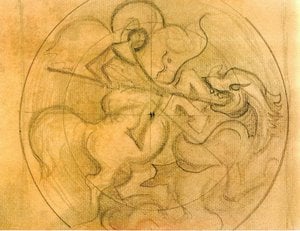
(Paris Scene Bains de Dames)
 1912
1912 12.0 x 8.0 cm
 Přečíst si více
Zakupte si digitální obraz ve vysokém rozlišení a vylepšeném provedení, který nabízí mnohem vyšší kvalitu než online náhled.
Každý soubor je pečlivě připraven našimi specialisty s využitím pokročilých nástrojů a odborné manuální retuše. Zajišťujeme, aby každý obraz disponoval výjimečnou ostrostí, přesnou barevnou věrností a jemnými detaily.
Finální soubor vám bude do 72 hodin zaslán e-mailem, optimalizovaný pro okamžité použití v profesionálním, redakčním i tiskovém prostředí. Nabízíme stejnou kvalitu, které důvěřují špičková designová studia, nakladatelství i galerie.
Digitální obrazy
Stáhněte si soubor ve vysokém rozlišení pro osobní prohlížení, tisk a kreativní projekty. ( Přepnout na tiskové verze Objednat ručně malovanou reprodukci)
Součást každé objednávky digitálního obrazu
Exponenciální digitální doručení, zaručené
Když si vyberete ArtsDot.com, nezískáváte pouze obrázek – získáváte digitální umělecké dílo s profesionálně vylepšenými detaily, zpracované s precizností a podpořené zárukou za spokojenost. Zde je vše, co vaše objednávka automaticky obsahuje:

Bleskové doručení e-mailem
Váš digitální obraz ve vysokém rozlišení vám bude zaslán e-mailem do 72 hodin od objednávky – připraven k okamžitému použití.

Digitální soubor s podporou AI
Vaše umělecké dílo je profesionálně optimalizováno pomocí pokročilých nástrojů umělé inteligence a manuální úpravy, což zajišťuje maximální úroveň detailu, ostrosti a přesnosti barev.

Doživotní bezplatné znovuodeslání
Soubor jste omylem smazali nebo ztratili? Žádný problém – kdykoliv vám ho znovu zašleme zcela zdarma.

Bez poplatků za dovoz – navždy
Užijte si své umělecké dílo okamžitě bez celních poplatků, daní nebo nákladů na dopravu – digitální stažení je vždy bez daňových povinností.

Záruka přesnosti barev
Díky profesionálním nástrojům a správě barev zajišťujeme, aby váš digitální obraz odrážel původní barvy co nejvěrněji.

100dená záruka spokojenosti
Pokud nebudete s digitálním obrázkem spokojeni, provedeme jeho revizi nebo vám vrátíme 100% platby do 100 dnů – bez jakýchkoliv dotazů.

100% záruka vrácení peněz
Nespokojeni? Získejte plnou náhradu peněz do 100 dnů od obdržení digitálního souboru – bez zbytečných dotazů.

Slevy při hromadných objednávkách
Při koupi 3 obrazů ušetříte 10% – Při koupi 5 obrazů ušetříte 15% – Při koupi 10+ obrazů ušetříte 20%. Ideální pro kreativní projekty, galerie a agentury.
Související díla


Biografie umělce
Edward Townsend Howes: A Parisian Impressionist’s Window
Edward Townsend Howes, a name perhaps less familiar than his contemporaries in the vibrant American art scene of the early 20th century, nevertheless possessed a singular vision—a deep and abiding love for Paris and its captivating atmosphere. Born in Stamford, Connecticut, in 1877, Howes’s artistic journey began with a formal education at the Pratt Institute in New York City, but it was his relocation to France around 1900 that truly ignited his creative spirit. He immersed himself in the Parisian art world, absorbing the techniques and philosophies of Impressionism and Post-Impressionism, ultimately forging a distinctive style characterized by luminous watercolors and an acute sensitivity to light and movement. His work isn’t simply depictions of Paris; it's a carefully constructed evocation of its energy, its rhythms, and its inherent beauty.Early Life and Artistic Foundations
Howes’s early life offered little indication of his future artistic pursuits. He was the son of a prominent businessman, Charles Howes, and his family maintained a relatively private existence in Connecticut. However, a pivotal moment occurred during his adolescence when he spent time with his uncle, the renowned artist John Singer Sargent, who recognized and nurtured his nascent talent. This mentorship proved invaluable, providing him with critical feedback and guidance as he began to develop his artistic voice. The influence of Sargent’s meticulous observation and masterful use of color undoubtedly shaped Howes's approach to capturing fleeting moments and atmospheric effects. Beyond Sargent, Howes was exposed to the broader currents of European art during his time in Paris, encountering the works of Monet, Renoir, and Pissarro – artists who had already revolutionized painting with their emphasis on light, color, and subjective perception.Parisian Scenes: A World in Watercolor
Howes’s most celebrated work revolves around his depictions of Parisian life. He wasn't interested in grand historical narratives or monumental subjects; instead, he focused on the everyday—the bustling streets, the flowing rivers, the interactions between people and their environment. His watercolors are remarkably alive, capturing the immediacy of a moment with astonishing detail. Subjects like riverboats navigating the Seine, fishermen casting their nets along the banks, and the vibrant activity of the *Bains de Dames* (public bathhouses) – scenes that might seem mundane to others—become imbued with a sense of drama and beauty through Howes’s skilled brushwork and masterful use of color. He employed a broken-color technique, layering translucent washes to create an ethereal quality, mimicking the effects of sunlight filtering through mist or reflecting off water. His compositions are often asymmetrical, drawing the eye across the canvas and creating a dynamic sense of movement.Technique and Style: The Language of Light
Howes’s technique is deeply rooted in Impressionist principles, but he developed his own unique approach. He was particularly adept at capturing the effects of light on surfaces—the shimmering reflections on water, the dappled sunlight filtering through trees, the subtle gradations of color in a cityscape. His use of watercolor allowed him to achieve remarkable luminosity and transparency, creating an illusion of depth and atmosphere. He rarely used outlines or hard edges, preferring to rely on subtle shifts in tone and color to define his subjects. This approach resulted in paintings that feel remarkably spontaneous and immediate, as if he were capturing a fleeting impression rather than meticulously rendering a detailed image. His work is characterized by a delicate balance between observation and imagination, reflecting his deep understanding of both the physical world and the emotional experience of seeing.Legacy and Historical Significance
Edward Townsend Howes’s contribution to American art may not be as widely recognized as some of his contemporaries, but his work deserves greater appreciation for its beauty, sensitivity, and technical skill. He represents a vital link between Impressionism in Europe and the development of American watercolor painting. His Parisian scenes offer a unique window into a bygone era, capturing the spirit and energy of a city that has long captivated artists and writers alike. Works like “Paris Scene Boats in River” and “Paris Scene Fishermen in Boats,” showcased at institutions such as the Smithsonian American Art Museum, stand as testaments to his artistic vision and enduring appeal. Howes’s legacy lies not only in his individual paintings but also in his embodiment of a particular aesthetic sensibility—a celebration of light, color, and the beauty of everyday life.
edward townsend howes
1877 - 1964
Rychlé informace
- Artistic Movement Or Style: Watercolor painting
- Date Of Birth: 1877
- Date Of Death: 1964
- Full Name: Edward Townsend Howes
- Nationality: American
- Notable Artworks:
- (Paris Scene Boats)
- (Paris Scene Fishermen)
- (Paris Scene Bains de Dames)
- Place Of Birth: WahooArt, USA