

 Náhled v interiéru
 Sdílet
 Sdílet
 Podrobnosti o díle
 Průvodce

 Stáhnout
 Podobné položky
 Rentgenové snímky
 Slideshow
 Otázky a odpovědi
 Statistiky
Intermission

 Zobrazit více
Umělecké dílo zobrazené na této stránce je chráněno autorským zákonem, což znamená, že nemůžeme legálně vytvářet ani prodávat jeho identickou reprodukci. Tato ochrana je vymáhána na základě mezinárodních dohod, jako například Berberská úmluva a národními zákony, včetně těch stanovených v Americký autorský zákon – Díl 17. Všechna práva vyhrazena.
Tato metoda je plně v souladu s autorským právem, protože nezahrnuje kopírování ani duplikování chráněného díla. Jde o kreativní reinterpretaci – nový obraz, který je inspirován originálem, ale není s ním identický.
Giclée / Umělecký tisk
Giclée nebo plátěný tisk muzeální kvality s rychlou výrobou a širokou nabídkou povrchových úprav. ( Koupit ručně malovaný obraz Přepnout na digitální obraz)




P118B Kč10

P118H Kč10

P118W Kč10

P438Z Kč10

P508JH Kč12

P508YH Kč12

P805H Kč10

P805Z Kč10

P919BZ Kč10

P919G Kč10

P919XJ Kč10

P959ZH Kč10

P968JZ Kč12

W106C Kč8

W218G Kč10

W218JH Kč8

W218Y Kč10

W307PJ Kč10

W316G Kč10

W316PJ Kč8

W316Y Kč10

W398PJ Kč8

W4111J Kč10

W500HY Kč15

W500JH Kč15

W692G Kč12

W849H Kč8

W940BG Kč15

W953PJ Kč8




Vyberte si z našich přednastavených velikostí, které odpovídají původním proporcím díla.

Zadejte šířku a výšku, které potřebujete pro váš rám nebo stěnu. Tisk lze pouze oříznout, nikdy však nelze zvětšit obraz nad jeho původní rozměr, proto při výběru jiného formátu dochází ke ztrátě části obrazu. Před samotným tiskem vám zašleme digitální náhled k schválení. Obraz zobrazený na této stránce nenabízí skutečný výřez — ten uvidíte pouze v náhledu.
Celosvětové doručení () do 2 týdnů namísto standardních 4/5 týdnů. (11 listopad)

Zdarma celosvětová expresní doprava

Vysoce kvalitní lněné plátno

Kompletní pojištění přepravy

Záruka vrácení celního poplatku

Záruka věrného barevného souladu

100dení lhůta pro vrácení zboží (pouze při vadách výroby)

100% záruka vrácení peněz

Sleva při více objednávkách
 Skleněná varianta je dostupná pouze u rozměrů menších než 110 cm

Intermission
Giclée / Umělecký tisk
Rozměry reprodukce
-


Celková cena za vybrané možnosti reprodukcí
Kč 1371
The Quiet Drama of a Waiting Room
Edward Hopper’s Intermission, painted in 1963, isn't merely a depiction of a theater lobby; it’s a meticulously crafted tableau of human isolation and the poignant beauty of unspoken moments. The painting immediately draws the viewer into a scene steeped in a muted, almost melancholic atmosphere – a stark contrast to the vibrant energy typically associated with theatrical performances. Hopper masterfully employs his signature style, characterized by simplified forms, precise lines, and an astute observation of light and shadow, to create a space that feels both familiar and profoundly unsettling.
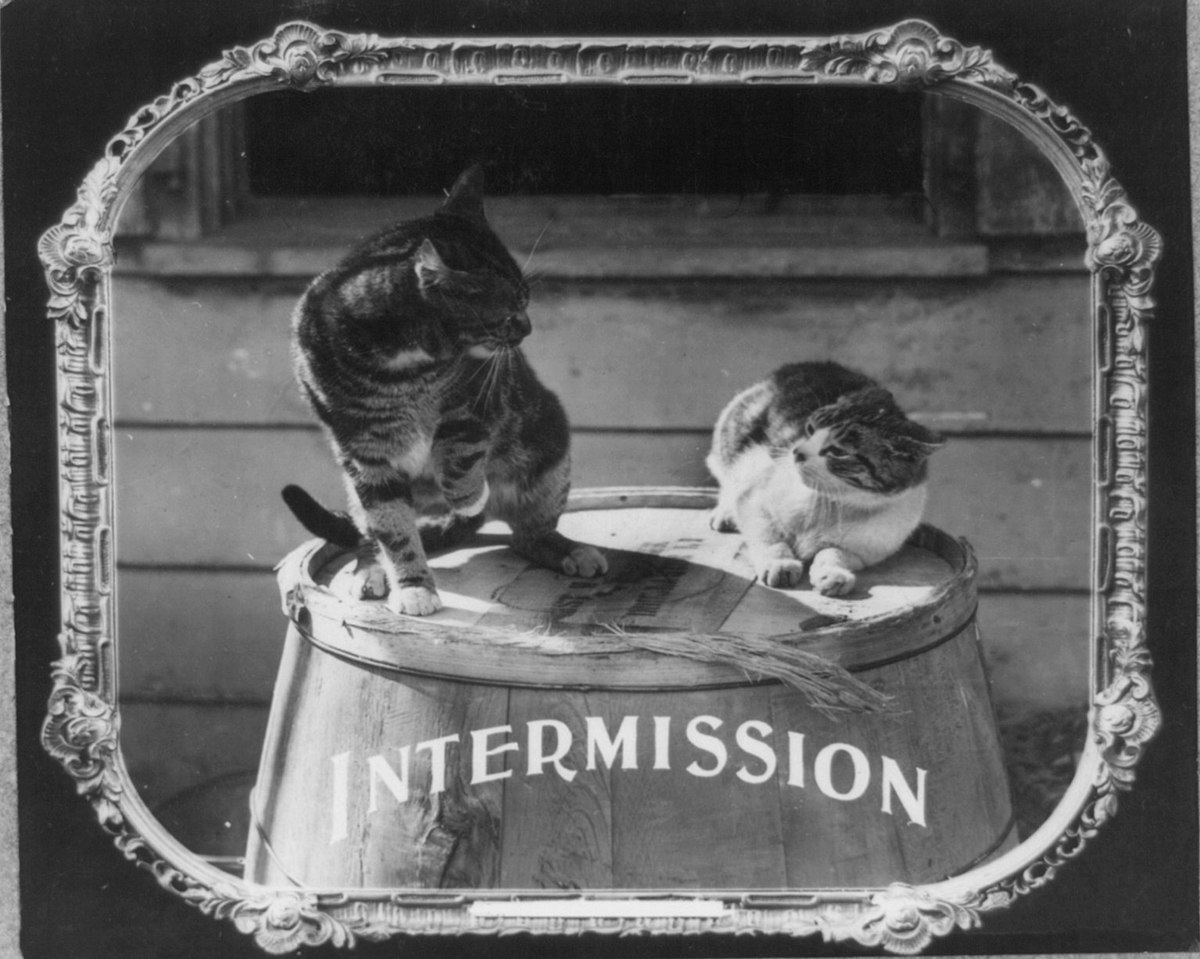
The composition itself is a study in restraint and suggestion. A woman, seated alone in a green aisle seat, dominates the foreground, her posture conveying a quiet contemplation that invites speculation about her thoughts and experiences. The surrounding chairs, arranged in neat rows, contribute to a sense of impersonal order, emphasizing her solitude within this public space. Hopper’s use of horizontal lines – the walls, the floor, the seats – creates a feeling of stillness, while subtle variations in tone and texture hint at the underlying complexity of the scene.
A Masterclass in Light and Shadow
Hopper's technical skill is evident in his precise rendering of light. The diffused illumination emanating from the unseen stage casts soft shadows that subtly define the forms, creating a sense of depth without resorting to dramatic contrasts. This delicate handling of light isn’t merely aesthetic; it serves to heighten the painting’s emotional impact, suggesting both vulnerability and resilience. Notice how the light catches the woman's dress, highlighting her form while simultaneously obscuring details, adding to the air of mystery surrounding her.
The color palette—predominantly muted greens, grays, and blacks—further reinforces the painting’s somber mood. The subtle shifts in tone within these hues create a sense of visual richness, preventing the scene from feeling flat or lifeless. Hopper's choice of colors is deliberate, evoking the atmosphere of a late-night theater lobby – a space often associated with anticipation, reflection, and perhaps even a touch of melancholy.
Symbolism and the Poetics of Modern Life
Intermission resonates deeply because it taps into universal themes of loneliness, isolation, and the passage of time. The woman’s solitary presence in the theater lobby speaks to the human condition—the feeling of being present yet detached, observing life from a distance. The clock visible in the background subtly reinforces this sense of temporal awareness, reminding us that time continues to move forward even as we remain suspended in these moments of quiet contemplation.
Hopper’s work is often interpreted as a reflection on the alienation and anonymity of modern urban life. The theater itself can be seen as a metaphor for the human drama—a stage upon which we all play our roles, often feeling like solitary figures amidst a vast audience. The painting's enduring appeal lies in its ability to capture these complex emotions with remarkable subtlety and grace.
A Legacy of Quiet Observation
Intermission stands as a testament to Edward Hopper’s extraordinary talent for capturing the essence of American life—its beauty, its loneliness, and its quiet moments of introspection. Painted in his later years, it represents a culmination of his artistic vision, demonstrating his mastery of light, composition, and symbolism. Reproductions of this iconic work continue to captivate viewers, inviting us to pause, reflect, and contemplate the universal themes that resonate within its carefully constructed scene.
Otázky a odpovědi
Jaká velikost reprodukce se doporučuje pro „Intermission“ od Edward Hopper?
Pro dílo „Intermission“ se doporučuje tisk ve velikosti Medium. K dispozici jsou i jiné velikosti při zachování stejných proporcí.
Jaké barvy dominují dílu „Intermission“ od Edward Hopper?
„Intermission“ je definováno paletou Neutrals, v níž dominuje barva Putty (#cdcbc4).
Je „Intermission“ od Edward Hopper obrazem, kresbou nebo grafikou?
Dílo „Intermission“ od Edward Hopper je klasifikováno jako WallArt. Tato kategorie určuje typ uměleckého díla, kterým je originál.


Biografie umělce
Klid americké scény
Edward Hopper se narodil ve Upper Nyack v United States of America. Svá raná léta strávil pozorováním světa neochvějným pohledem, což je návyk, který vyústil již v dětských skicích, pečlivě datovaných a podepsaných. Zatímco jeho rodiče navrhovali praktickou cestu v oblasti komerční ilustrace, jeho pozornost zůstala upřena na čisté umění. Studoval na New York School of Art pod vedením William Merritt Chase a Robert Henri. Tyto roky mu vštěpily technickou zručnost nezbytnou pro zobrazení světa nefalšovaného a upřímného. Nehledal prchavé tahy štětcem impresionistů, které potkal v Paříži. Místo toho si vyvinul způsob vidění, který upřednostňoval klid okamžiku před pohybem davu.
Jeho dílo se často točí kolem všednosti. Zaměřoval se na domy, restaurace, kanceláře a hotelové pokoje. Odstraňoval nadbytečné detaily, aby odhalil hlubší emocionální pravdu scény. V díle House by the Railroad (1925) odhaluje jednoduchá kompozice pocit tajemství a izolace. Světlo a stín nepoužíval pouze k popisu místnosti, ale k nastolení nálady. Přesné vykreslení stínu na stěně nebo způsob, jakým světlo dopadá na okno, se stalo jeho způsobem, jak komunikovat psychický stav svých subjektů.
Světlo a městský interiér
Způsob, jakým světlo vstupuje do prostoru, je v jeho malbách ústředním hrdinou. V obraze Nighthawks (1942) ostré fluorescenční světlo noční restaurace prolíná temnotu opuštěné městské ulice. Postavy uvnitř jsou sice fyzicky blízko, ale zdají se být ztraceny ve svých vlastních myšlenkách, odpojené od sebe navzájem. Tento pocit anonymity v přeplněném městě se stal opakovaným tématem. Zachytil napětí z toho, že být sám na veřejném místě, pocit, který rezonuje v dílech jako Automat a Office in a Small City. Zajímal se o to, jak umělé světlo interaguje s přirozenou temnotou noci.
Jeho manželka, Josephine Nivison Hopper, byla jeho stálou přítomností. Byla spoluautorkou v umění a často sloužila jako jeho model. Její přítomnost je cítit v charakterizaci mnoha jeho ženských postav. Společně žili skromný život a často trávili léta v Nové Anglii, což ovlivnilo krajiny, které maloval. Jeho zobrazení americké krajiny, ať už venkovské nebo městské, často zdůrazňují určitou syrovost nebo prázdnotu. Ať už jde o benzínku u silnice v obraze Gas (1940) nebo o tichý pokoj v hotelu, tématem je vždy průsečík fyzického místa a soukromého, vnitřního prožitku.
Odkaz pozorování
Hopperův vliv sahá až do vizuálního jazyka filmu a literatury. Jeho schopnost vytvářet pocit psychického napětí prostřednictvím kompozice byla podotčena mnoha těmi, kteří studují způsob, jakým jsou vyprávěny příběhy skrze obrazy. Jeho obrazy zůstávají v hlavních muzeích po celém světě, jsou zastoupeny v kolekcích jako je Whitney Museum of American Art a Museum of Fine Arts v Bostonu. Nestál za velkými historickými narativy. Svou látku nacházel v tichých koutech každodenního života a proměňoval prosté okno nebo kolemjdoucího cizince v studii lidské existence. Jeho dílo zůstává studií ticha, které existuje mezi lidmi.

Edward Hopper
1931 - 1967 , Spojené státy americké
Rychlé informace o umělci
- Artistic Movement Or Style: Americký realism
- Artists Or Movements Influenced By This Artist: ['Pierre Sanford Ross']
- Artists Who Influenced This Artist:
- William Merritt Chase
- Robert Henri
- Edgar Degas
- Édouard Manet
- Date Of Birth: 1931
- Date Of Death: 1967
- Full Name: Edward Hopper
- Nationality: Američan
- Notable Artworks:
- Nighthawks
- Gas
- House by the Railroad
- Automat
- Office in a Small City
- Summertime
- Place Of Birth: Upper Nyack, Spojené státy americké
Související články
Top 10 mistrovských děl současného realismu | Umění pro váš domov s ArtsDot.com
Prozkoumejte 10 ikonických děl současného realismu! Objevte příběhy slavných malířů, techniky a význam těchto mistrovských děl. Reprodukce obrazů nejvyšší kvality s ArtsDot.com – inspirace pro váš interiér. Prohlédněte si celou kolekci online!

Edward Wilkins Waite: A Victorian Vision of Surrey's Serene Landscapes & Artistic Legacy
Explore the serene landscapes of Edward Wilkins Waite (1854-1924), a prolific Victorian painter celebrated for his depictions of Surrey's countryside. Discover his artistic influences, career highlights & collecting guide.

Romantic Realism's Finest: 10 Masterpieces for Your Home | ArtsDot
Explore 10 defining masterpieces of Romantic Realism! Discover Courbet, Millet & Daumier's powerful paintings—capturing emotion and social realities. Find museum-quality reproductions for your home at ArtsDot.com.

Top 10 děl amerického realismu: Umění, které odráží skutečný život | ArtsDot
Prozkoumejte 10 ikonických děl amerického realismu od Hopperů po Wyetha. Obrazy plné života, emocí a autenticity. Najděte inspiraci pro váš interiér s uměleckými reprodukcemi nejvyšší kvality na ArtsDot.com

Edward Hopper: Top 25 děl mistra samoty a amerického realismu | ArtsDot.com
Prozkoumejte top 25 děl Edwarda Hoppera, mistra amerického realismu. Objevte příběhy za ikonickými obrazy plnými samoty a atmosféry. Reprodukce obrazů v nejvyšší kvalitě na ArtsDot.com.


