


 Náhled
 Sdílet
 Sdílet
 Podrobnosti o díle

 Stáhnout
 Podobné položky
 Rentgenové snímky
 Slideshow
St John the Evangelist


 Zobrazit více
Giclée / Umělecký tisk
Giclée nebo plátěný tisk muzeální kvality s rychlou výrobou a flexibilními možnostmi povrchové úpravy. ( Koupit ručně malovaný obraz Koupit obrázek)




P118B $10

P118H $10

P118W $10

P438Z $10

P508JH $12

P508YH $12

P805H $10

P805Z $10

P919BZ $10

P919G $10

P919XJ $10

P959ZH $10

P968JZ $12

W106C $8

W218G $10

W218JH $8

W218Y $10

W307PJ $10

W316G $10

W316PJ $8

W316Y $10

W398PJ $8

W4111J $10

W500HY $15

W500JH $15

W692G $12

W849H $8

W940BG $15

W953PJ $8




Vyberte si z našich přednastavených velikostí, které odpovídají původním proporcím díla.

Můžete zadat vlastní rozměry tak, aby výtvor odpovídal konkrétnímu rámu nebo prostoru. Pokud zvolená velikost nebude odpovídat poměru stran původního obrazu, dílo buď ořížeme, nebo obraz rozšíříme pomocí zrcadlového efektu či jednobarevného okraje. Před zahájením výroby vám bude zaslán digitální náhled k schválení.
Mějte prosím na paměti, že náhled na obrazovce neodráží skutečné oříznutí nebo rozšíření. Pouze digitální náhled přesně zobrazí finální kompozici.
Ačkoliv jsou k dispozici i vlastní rozměry, pro zachování původních proporcí doporučujeme vybrat si rozměr z předdefinovaného seznamu.
Celosvětové doručení () do 2 týdnů namísto standardních 4/5 týdnů. (6 září)

Zdarma celosvětová expresní doprava

Vysoce kvalitní lněné plátno

Kompletní přepravní pojištění

Záruka vrácení celního poplatku

Záruka přesného barevného shodu

100denní lhůta pro vrácení zboží (pouze při vadách výroby)

100% garance vrácení peněz

Sleva při hromadné objednávce
 Skleněná varianta je dostupná pouze u rozměrů menších než 110 cm

St John the Evangelist
Giclée / Umělecký tisk
Rozměry reprodukce
-


Celková cena za výběr
$ 62
The Serene Vision of St. John
Donatello’s “St John the Evangelist,” completed between 1410 and 1411, isn't merely a sculpture; it’s an invitation into a realm of contemplative grace. Carved from pristine white marble, this figure transcends the coldness often associated with stone, radiating instead a profound sense of inner peace and intellectual depth. The statue captures a moment of quiet reflection – St. John, depicted as an aged but dignified scholar, his gaze directed inward, lost in the contemplation of scripture. The choice of marble itself speaks volumes; its luminous quality allows light to play across the folds of his robes, revealing the sculptor’s masterful understanding of form and texture, while simultaneously suggesting a spiritual purity that mirrors the subject's character.
- Classical Foundation: Donatello’s work is deeply rooted in the classical ideals of antiquity. The pose—a seated figure holding a book—is reminiscent of Roman statues, yet imbued with a distinctly Renaissance sensibility.
- Innovative Perspective: A crucial element of this sculpture's brilliance lies in its ingenious solution to perspective. Recognizing that the statue would be viewed from above, Donatello cleverly shortened the legs and elongated the torso, creating an illusion of naturalism and ensuring the figure appears balanced and grounded despite its elevated position.
- Symbolic Gestures: The open hand holding a scroll is laden with symbolism – representing both knowledge and faith, wisdom and divine revelation. It’s a gesture that invites viewers to engage in their own spiritual journey.
A Sculptor's Renaissance
Donatello (1386-1466) stands as one of the pivotal figures in the transition from Medieval to Renaissance art. Born in Florence, he was a student of the past, meticulously studying classical sculpture and integrating its principles into his own innovative style. Unlike many sculptors of his time who favored ornate, stylized forms, Donatello sought to capture human emotion and movement with unprecedented realism. His work wasn’t simply about replicating appearances; it was about conveying inner life – a characteristic that defines the Renaissance spirit. His early career saw him working under Lorenzo Ghiberti on the bronze doors of the Florence Baptistery, an experience that profoundly shaped his artistic development.
Key Innovations:- Expressive Faces: Donatello pioneered a new approach to facial expression in sculpture, imbuing his figures with a remarkable degree of psychological depth.
- Dynamic Poses: He moved away from the static poses prevalent in Medieval art, introducing a sense of movement and vitality into his sculptures.
The Context of Faith and Patronage
“St John the Evangelist” was commissioned during a period of immense religious and cultural change in Florence. The city was experiencing a resurgence of interest in classical learning, fueled by humanist scholars who sought to revive the values and ideals of ancient Greece and Rome. This intellectual ferment profoundly influenced Donatello’s work, leading him to embrace humanism while retaining a deep reverence for Christian faith. The sculpture was originally intended for a niche within the Florence Duomo (Cathedral), a testament to its importance within the city's religious landscape. The Medici family, powerful patrons of the arts, likely commissioned the piece, reflecting their commitment to supporting artistic endeavors that celebrated both human achievement and divine inspiration.
A Legacy of Serenity
More than six centuries after its creation, “St John the Evangelist” continues to captivate viewers with its quiet dignity and profound sense of contemplation. It’s a sculpture that invites us to pause, reflect, and consider our own place in the world. Donatello's masterful execution—the luminous marble, the nuanced expression, the ingenious perspective—creates an experience that transcends mere visual appreciation. It is a timeless meditation on faith, knowledge, and the enduring power of the human spirit. Reproductions strive to capture this essence, offering a tangible connection to one of the Renaissance’s most beloved masterpieces.
Podobná umělecká díla


Biografie umělce
Early Life and Artistic Beginnings
Donato di Niccolò di Betto Bardi, universally known as Donatello, was born in Florence around 1386 – a time of immense artistic ferment within the burgeoning Renaissance. His early life remains somewhat shrouded in mystery, yet it’s clear that his formative years were deeply intertwined with the city's vibrant cultural landscape. Born into a modestly prosperous family—his father, Niccolò di Betto Bardi, was a wool carder – Donatello received an education typical of the era, focusing on the fundamentals of Latin and rhetoric. However, it’s widely believed that his true artistic apprenticeship began within the workshop of Lorenzo Ghiberti, a master sculptor renowned for his groundbreaking bronze doors for the Florence Cathedral (the Duomo). This association proved pivotal, exposing Donatello to the techniques and principles of classical sculpture, which would profoundly shape his distinctive style. The meticulous study of ancient forms – particularly those found in Roman ruins – became a cornerstone of his artistic philosophy, influencing not only his subject matter but also his approach to composition and proportion. Early works like *St. John the Evangelist*, created around 1408-1409, demonstrate this early influence, showcasing a nascent ability to capture both the idealized beauty of classical figures and a growing sense of individual expression.Key Works and Innovations: A Revolutionary Style
Donatello’s career blossomed during a period of remarkable artistic innovation, and he quickly established himself as a leading figure in the Florentine Renaissance. His most celebrated achievement is undoubtedly *David*, created between 1423 and 1425. This monumental bronze sculpture represented a radical departure from previous depictions of the biblical hero – it was the first freestanding nude male statue since antiquity, a bold statement of humanism and artistic freedom. Unlike earlier representations that emphasized David’s military prowess, Donatello presented him as a youthful, vulnerable figure, imbued with an almost palpable sense of inner strength and contemplation. The subtly expressive face, the carefully rendered musculature, and the dynamic pose all contribute to this remarkable portrayal of human dignity. Beyond *David*, Donatello produced a wealth of significant works, including the dramatic relief panel *The Feast of Herod* (1427-1433) for the Orsanmichele guildhall, showcasing his mastery of perspective and narrative storytelling. His work on the baptismal font in Santa Croce – featuring intricate bronze angels – further cemented his reputation as a virtuoso of both marble and bronze. Donatello’s innovative use of *rilievo schiacciato* (flattened relief) created a unique visual effect, giving depth and dynamism to his sculptures while maintaining a sense of clarity and precision.The Influence of Classical Antiquity and the Development of Style
Donatello's artistic vision was deeply rooted in the rediscovery of classical antiquity – a defining characteristic of the Renaissance. He meticulously studied Roman sculpture, not merely copying its forms but absorbing its underlying principles of balance, proportion, and anatomical accuracy. This engagement with the past informed his approach to depicting the human figure, leading him to prioritize naturalism and emotional expression over stylized conventions. However, Donatello didn’t simply replicate classical models; he transformed them through a distinctly Renaissance sensibility. His sculptures are characterized by a heightened sense of realism, a dramatic use of light and shadow, and an intense psychological depth. His style evolved considerably throughout his career, moving from the more restrained elegance of his early works to the bolder, more expressive figures of his later period. The *Sacrifice of Isaac* (1453-1460), for example, reveals a starker, more emotionally charged approach, reflecting Donatello’s growing interest in exploring themes of human suffering and mortality. The influence of Michelangelo Buonarroti, who studied under Donatello, is also evident in the latter's work, particularly in his use of dynamic poses and dramatic gestures.Later Years and Legacy: A Lasting Impact
In his later years, Donatello continued to produce masterpieces that solidified his place as one of the greatest sculptors of all time. His monumental equestrian statue of Gattamelata (1453-1459) in Padua stands as a testament to his skill and ambition – it’s considered the first Renaissance equestrian monument and a revival of an ancient Roman type. The *Judith Slaying Holofernes* (1460s), now housed in the Palazzo Vecchio, Florence, exemplifies Donatello's dramatic flair and mastery of expressive realism. Despite facing challenges in his business dealings – often accepting more commissions than he could fulfill – Donatello’s legacy endures as a pivotal figure in the development of Western art. His innovations in sculpture—particularly his pioneering use of bronze and his emphasis on humanism and emotional expression—inspired generations of artists, including Michelangelo, who greatly admired his work. Donatello's influence can be seen throughout the Renaissance and beyond, shaping the course of sculptural tradition for centuries to come.
Donatello
1386 - 1466 , Itálie
Rychlé fakta
- Artistic Movement Or Style: Raná renesance
- Artists Or Movements Influenced By This Artist: ['Italská renesance']
- Artists Who Influenced This Artist: ['Klasická sochařství']
- Date Of Birth: c. 1386
- Date Of Death: 1466
- Full Name: Donatello di Niccolò
- Nationality: Italista
- Notable Artworks:
- David
- St. Louis
- Sacrifice
- Place Of Birth: Florence, Itálie
Související články

10 legendárních bronzových soch, které změnily umění | ArtsDot
Objevte 10 legendárních bronzových soch od Michelangela, Rodina a dalších mistrů! Ponořte se do historie umění, technik a příběhů za těmito nadčasovými díly. Najděte inspiraci pro váš interiér s ArtsDot.com – repliky nejvyšší kvality.
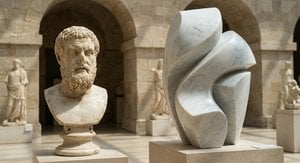
The Enduring Allure of Marble in Art History: From Classical Sculpture to Modern Abstraction
Explore the captivating history of marble sculpture from ancient Greece to modern art. Discover renowned artists like Canova & Michelangelo, carving techniques, and investment insights at ArtsDot.

John Singer Sargent: 25 mistrovských děl a inspirace pro váš domov | ArtsDot.com
Objevte 25 ikonických děl Johna Singera Sargenta – portrétů, impresionistických krajin a elegantních kompozic. Prozkoumejte příběhy umění, techniky a inspiraci pro váš interiér s reprodukcemi nejvyšší kvality na ArtsDot.com

John Constable: 25 mistrovských děl krajinářské poezie | ArtsDot.com
Prozkoumejte 25 ikonických děl Johna Constabla, mistra anglického krajinářství a romantismu. Obdivujte jeho olejomalby, plátna s venkovskou atmosférou a inspirujte se pro dekoraci interiéru. Reprodukce obrazů nejvyšší kvality na ArtsDot.com

10 legendárních bronzových mistrovských děl, která změnila umění | ArtsDot
Objevte 10 legendárních bronzových mistrovských děl od Rodina, Donatella a dalších. Ponořte se do historie umění a nechte se inspirovat nadčasovými sochařskými replikami pro váš interiér. Prozkoumejte celou kolekci online na ArtsDot.com!
