


The picture follows your choices: , .
Popis sbírného předmětu
Marvel at Donatello's iconic 'St. George' sculpture – a powerful marble depiction of the legendary knight from 1416, housed in Florence’s Bargello Museum. Witness Renaissance artistry and heroic storytelling.
 Zobrazit více
Biografie umělce
Donatello (1386–1466): Florenťanský sochař rané renesance. Pionér samostatného nude sochaření, známý pro expresivní realismus a vliv klasicismu. Jeho mistrovská díla jako David jsou ikonická.
Ručně malovaná olejová reprodukce
Rukou malované olejné plátno v libovolném rozměru i s rámem, vyrobené našimi umělci na zakázku. ( Přepnout na tisk Přepnout na digitální obraz)
More about this painting
 Sdílet
 Sdílet
 Podrobnosti o díle
 Průvodce

 Stáhnout
 Podobné položky
 Slideshow
 Q&A
Q&A Statistiky
Order your painting in four simple steps
Take your time. You can change any answer; the price in your order card follows each choice.
1 Step one of four
Which size would you like?
These sizes keep the proportions of the original painting. The drawing shows your choice on a wall, above a two-metre sofa.
Or give your own measurements
Vyberte si z našich přednastavených velikostí, které odpovídají původním proporcím díla.

Zadejte šířku a výšku, které potřebujete pro váš rám nebo stěnu. Protože se jedná o ruční malbu, při výběru jiného formátu může umělec kolem obrazu domalovat o něco více, nebo jej mírně oříznout — rozhodnete si vy. Před zahájením malby vám zašleme digitální náhled ke schválení. Obraz zobrazený na této stránce neodpovídá skutečnému výsledku — pouze digitální náhled jej zobrazuje.
2 Step two of four
How should it be prepared: rolled, stretched or framed?
The prices below are for the size you chose in step one.
Choose the edges of the stretched canvas
Choose your frame

White Kč1

Blurside Kč1

Extended Kč1

P118B Kč10

P118H Kč10

P118W Kč10

P438Z Kč10

P508JH Kč12

P508YH Kč12

P805H Kč10

P805Z Kč10

P919BZ Kč10

P919G Kč10

P919XJ Kč10

P959ZH Kč10

P968JZ Kč12

W106C Kč8

W218G Kč10

W218JH Kč8

W218Y Kč10

W307PJ Kč10

W316G Kč10

W316PJ Kč8

W316Y Kč10

W398PJ Kč8

W4111J Kč10

W500HY Kč15

W500JH Kč15

W692G Kč12

W849H Kč8

W940BG Kč15

W953PJ Kč8

H24-GOLD Kč30

H24-SILVER Kč30

H36-GOLD Kč45

H36-SILVER Kč45
V rámu
Moulding: . Overall size with the frame: .
3 Step three of four
Would you like anything changed in the painting?
Most people answer no. Because each painting is made by hand, our artist can also adapt it for you.
After order, ArtsDot.com team will email client for instructions and provide a mockup preview
4 Step four of four
A few finishing options
All of them are optional. The answers already selected cost nothing extra.
Who paints it?
Celosvětová doprava () za 3–4 týdny namísto standardních 5 týdnů. (2 listopad). Bez kompromisů v kvalitě.
A nameplate, as in a museum?
Detaily ryté bronzové plakety
This elegant plaque features the artist's name and the title of the artwork, finely engraved for a timeless presentation.
It is made from bronze with a refined, elegant finish. The text is precisely laser-engraved for a sharp and permanent result. Measuring 9x2 cm, the plaque is compact yet easy to read. It's built to be durable and scratch-resistant, offering a professional, museum-quality look. Mounting is simple thanks to the included adhesive backing.
Detaily průhledné akrylové desky
The plaque includes essential engraved details such as the artist's name, the title of the artwork, the date it was created, the type of media used-like oil on canvas or watercolor-a brief description of the piece, and a QR code that links to the complete artwork information.
It is crafted from clear acrylic, offering a sleek, modern appearance. The text is UV-engraved in black to ensure strong visual contrast. With a size of 10x15 cm, it ensures optimal readability. It comes equipped with two metal hooks for secure wall mounting. The plaque is designed to be weather-resistant, making it suitable for various environments, and it includes interactive features that work seamlessly with smartphone scanning.
Detaily černé akrylové destičky
This elegant plaque includes engraved information such as the artist's name, the title of the artwork, the date it was created, the type of media used (like oil on canvas or watercolor), a short description of the artwork, and a QR code for quick access to more information.
The plaque itself is made from refined black acrylic with a premium finish. The text is laser-engraved in white for high contrast and readability. Its size is 10x15 cm, designed to be easy to read. It comes with two metal hooks for professional mounting. The design is sleek and fits any interior style. It is also weather-resistant and durable, with built-in digital integration for mobile compatibility.
A protective varnish?
When do you need it?
✓ Check and order
Your painting, as you ordered it

St George
Technika reprodukce
Rozměry reprodukce
-

Vybraní mistři umění
Vyšší míra detailu, jemnosti a delší doba výroby
-

Možnosti rámování reprodukcí
-
-
U děl nebo reprodukcí, u nichž je jakákoliv strana větší než 105 cm (přibližně 41 palců), bude rám dodán jako sestava v rozloženém stavu. Tato metoda zajišťuje bezpečné doručení a chrání dílo před poškozením během přepravy.
Vyžaduje se odborná montáž – nejedná se o produkt pro svépomocnou realizaci (DIY).
Sestava musí být složena a plátno napnuto zkušeným profesionálním rámovačem s použitím dřevěného lepidla (není součástí balení), kleští na napínání plátna a svorek pro udržení pravých úhlů křížů během schnutí lepidla. Nesprávná montáž nebo nerovnoměrné napnutí plátna může způsobit trvalé poškození uměleckého díla, které není kryto naší zárukou.
 U děl nebo reprodukcí, u nichž je jakákoliv strana větší než 105 cm (přibližně 41 palců), bude rám dodán jako sestava v rozloženém stavu. Tato metoda zajišťuje bezpečné doručení a chrání dílo před poškozením během přepravy.
Jsou zahrnuty všechny lišty z masivního dřeva, přesně na míru nařezané.
Sestavuje se pomocí součástí balení (šroubů), plus dřevěného lepidla na rohové spoje, které není součástí balení a musí jej zajistit váš rámovač.
Vyžaduje se profesionální nářadí, které není součástí sady: kleště na napínání plátna a svorky pro udržení kolmosti příček během schnutí lepidla.
Důležité:
Spoje v rozích vyžadují lepidlo na dřevo, tyčinky musí být přichyceny pomocí svorek, dokud lepidlo zcela neuschne, a pro napnutí plátna na sestavený rám je zapotřebí kleští na natahování plátna. Žádný z těchto náčiní není součástí sady. Před objednáním této velikosti prosím zajistěte zkušeného profesionálního rámovače.

Popisek díla
-
-

Ochranný lak
Lesklý lak (zvýrazňuje barvy, chrání před světlem a vlhkostí)
-

Přizpůsobit své umělecké dílo
Příklady možných úprav: nahrazení obličeje fotografií zákazníka; přidání domácího mazlíčka (např. výměna kočky za psa); vložení skrytého vzkazu do pozadí; změna krajiny nebo prvků v pozadí.
-

Prioritní doručení
Celosvětové doručení () za 3–4 týdny namísto standardních 5 týdnů. (2 listopad). Bez kompromisů v kvalitě.
-
Expresní doručení
Celosvětová doprava () do 5 týdnů. (9 listopad).
V ceně
Celková cena za vybrané možnosti reprodukcí
Kč 5711
Skleněná varianta je dostupná pouze u rozměrů menších než 110 cm
Included with every order
- Zdarma celosvětová expresní doprava
- Vysoce kvalitní lněné plátno
- Kompletní pojištění přepravy
- Záruka vrácení celního poplatku
- Záruka věrného barevného souladu
- 100dení lhůta pro vrácení zboží (pouze při vadách výroby)
- 100% záruka vrácení peněz
- Sleva při více objednávkách


The Knight’s Valor: Donatello's St. George
Donatello’s “St. George,” sculpted in 1416 for the Museo Nazionale del Bargello in Florence, isn’t merely a depiction of a biblical hero; it’s a potent distillation of Renaissance ideals – courage, virtue, and the burgeoning humanist fascination with classical antiquity. This marble statue, standing proud within the museum's hallowed halls, immediately commands attention not just through its imposing scale but also through the remarkably lifelike quality of its subject. The sculpture captures St. George in the midst of his legendary triumph over the dragon, a scene brimming with dramatic tension and heroic resolve.
Donatello’s genius lies in his masterful manipulation of form and texture. He eschews the overly stylized representations common in earlier medieval art, opting instead for a remarkably naturalistic approach. The musculature of St. George is powerfully rendered, conveying both strength and vulnerability. Note the subtle creases in his armor, meticulously sculpted to suggest movement and the weight of battle. The folds of his cloak ripple with an almost palpable energy, mirroring the dragon’s fury. Donatello's use of *contrapposto*, a technique borrowed from classical Greek sculpture where the figure shifts its weight, creates a dynamic sense of balance and poise – a hallmark of Renaissance art.
A Synthesis of Faith and Classical Influence
The creation of “St. George” occurred during a pivotal moment in Florentine history—the early Renaissance. Florence was experiencing a renewed interest in the artistic and philosophical achievements of ancient Greece and Rome. Donatello, deeply influenced by this revival, sought to integrate classical principles into his work while simultaneously retaining a distinctly Christian subject matter. The statue’s composition – reminiscent of Roman portrait sculpture – is a testament to this dual influence. The heroic stance, the idealized physique, and the emphasis on individual character all echo the values celebrated in classical art.
Furthermore, St. George himself held significant symbolic weight for the Florentines. He was revered as a protector against evil, a symbol of Christian virtue battling pagan darkness. The dragon, often interpreted as representing sin or temptation, is vanquished not through brute force alone but through faith and righteous action – mirroring the broader Renaissance emphasis on moral strength and spiritual fortitude.
The Dragon’s Shadow and the Hero's Resolve
Donatello doesn’t shy away from depicting the brutality of the encounter. The dragon, rendered with a terrifying realism—its scales meticulously detailed, its eyes burning with malevolent intent—looms large in the background, casting a dramatic shadow over St. George. This visual contrast underscores the hero's struggle and highlights his unwavering commitment to his faith. The spear, held aloft by St. George, isn’t simply a weapon; it represents divine intervention and the triumph of good over evil.
Despite the intensity of the scene, “St. George” possesses an underlying sense of dignity and composure. The hero's gaze is direct and unwavering, conveying both determination and a quiet confidence in his mission. This combination of action and serenity elevates the sculpture beyond a mere historical narrative; it becomes a timeless meditation on courage, faith, and the enduring power of the human spirit.
A Timeless Masterpiece for Collectors and Designers
Reproductions of Donatello’s “St. George” offer an exceptional opportunity to bring this iconic Renaissance masterpiece into any setting. Whether adorning a grand salon or a more intimate space, its powerful presence and exquisite detail will undoubtedly captivate viewers. The sculpture's inherent symbolism continues to resonate today, reminding us of the timeless values of bravery, faith, and the pursuit of righteousness. Consider how the cool tones of the marble and the dynamic composition can complement a variety of interior design styles – from classic elegance to modern minimalism.
Otázky a odpovědi
Jakou techniku bylo použito pro dílo „St George“ od Donatello?
„St George“ je dílo vytvořené v technice Marble.
Mohu využít rozšířenou realitu k tomu, abych si prohlédl(a) „St George“ od Donatello ve své místnosti?
Dílo „St George“ od Donatello si můžete prohlédnout přímo na své vlastní stěně díky stránce Náhled v rozšířené realitě s využitím rozšířené reality na kompatibilním zařízení.
Jakou atmosféru do interiéru přináší „St George“ od Donatello?
S svou Elegant atmosférou je dílo „St George“ ideální volbou do Hotel Lobby.
Podobná díla


Donatello
1386 - 1466, Itálie
Biografie umělce
Early Life and Artistic Beginnings
Donato di Niccolò di Betto Bardi, universally known as Donatello, was born in Florence around 1386 – a time of immense artistic ferment within the burgeoning Renaissance. His early life remains somewhat shrouded in mystery, yet it’s clear that his formative years were deeply intertwined with the city's vibrant cultural landscape. Born into a modestly prosperous family—his father, Niccolò di Betto Bardi, was a wool carder – Donatello received an education typical of the era, focusing on the fundamentals of Latin and rhetoric. However, it’s widely believed that his true artistic apprenticeship began within the workshop of Lorenzo Ghiberti, a master sculptor renowned for his groundbreaking bronze doors for the Florence Cathedral (the Duomo). This association proved pivotal, exposing Donatello to the techniques and principles of classical sculpture, which would profoundly shape his distinctive style. The meticulous study of ancient forms – particularly those found in Roman ruins – became a cornerstone of his artistic philosophy, influencing not only his subject matter but also his approach to composition and proportion. Early works like *St. John the Evangelist*, created around 1408-1409, demonstrate this early influence, showcasing a nascent ability to capture both the idealized beauty of classical figures and a growing sense of individual expression.Key Works and Innovations: A Revolutionary Style
Donatello’s career blossomed during a period of remarkable artistic innovation, and he quickly established himself as a leading figure in the Florentine Renaissance. His most celebrated achievement is undoubtedly *David*, created between 1423 and 1425. This monumental bronze sculpture represented a radical departure from previous depictions of the biblical hero – it was the first freestanding nude male statue since antiquity, a bold statement of humanism and artistic freedom. Unlike earlier representations that emphasized David’s military prowess, Donatello presented him as a youthful, vulnerable figure, imbued with an almost palpable sense of inner strength and contemplation. The subtly expressive face, the carefully rendered musculature, and the dynamic pose all contribute to this remarkable portrayal of human dignity. Beyond *David*, Donatello produced a wealth of significant works, including the dramatic relief panel *The Feast of Herod* (1427-1433) for the Orsanmichele guildhall, showcasing his mastery of perspective and narrative storytelling. His work on the baptismal font in Santa Croce – featuring intricate bronze angels – further cemented his reputation as a virtuoso of both marble and bronze. Donatello’s innovative use of *rilievo schiacciato* (flattened relief) created a unique visual effect, giving depth and dynamism to his sculptures while maintaining a sense of clarity and precision.The Influence of Classical Antiquity and the Development of Style
Donatello's artistic vision was deeply rooted in the rediscovery of classical antiquity – a defining characteristic of the Renaissance. He meticulously studied Roman sculpture, not merely copying its forms but absorbing its underlying principles of balance, proportion, and anatomical accuracy. This engagement with the past informed his approach to depicting the human figure, leading him to prioritize naturalism and emotional expression over stylized conventions. However, Donatello didn’t simply replicate classical models; he transformed them through a distinctly Renaissance sensibility. His sculptures are characterized by a heightened sense of realism, a dramatic use of light and shadow, and an intense psychological depth. His style evolved considerably throughout his career, moving from the more restrained elegance of his early works to the bolder, more expressive figures of his later period. The *Sacrifice of Isaac* (1453-1460), for example, reveals a starker, more emotionally charged approach, reflecting Donatello’s growing interest in exploring themes of human suffering and mortality. The influence of Michelangelo Buonarroti, who studied under Donatello, is also evident in the latter's work, particularly in his use of dynamic poses and dramatic gestures.Later Years and Legacy: A Lasting Impact
In his later years, Donatello continued to produce masterpieces that solidified his place as one of the greatest sculptors of all time. His monumental equestrian statue of Gattamelata (1453-1459) in Padua stands as a testament to his skill and ambition – it’s considered the first Renaissance equestrian monument and a revival of an ancient Roman type. The *Judith Slaying Holofernes* (1460s), now housed in the Palazzo Vecchio, Florence, exemplifies Donatello's dramatic flair and mastery of expressive realism. Despite facing challenges in his business dealings – often accepting more commissions than he could fulfill – Donatello’s legacy endures as a pivotal figure in the development of Western art. His innovations in sculpture—particularly his pioneering use of bronze and his emphasis on humanism and emotional expression—inspired generations of artists, including Michelangelo, who greatly admired his work. Donatello's influence can be seen throughout the Renaissance and beyond, shaping the course of sculptural tradition for centuries to come.
Související články
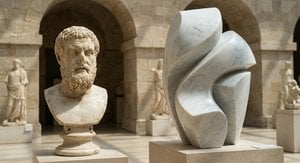
The Enduring Allure of Marble in Art History: From Classical Sculpture to Modern Abstraction
Explore the captivating history of marble sculpture from ancient Greece to modern art. Discover renowned artists like Canova & Michelangelo, carving techniques, and investment insights at ArtsDot.

10 legendárních bronzových soch, které změnily umění | ArtsDot
Objevte 10 legendárních bronzových soch od Michelangela, Rodina a dalších mistrů! Ponořte se do historie umění, technik a příběhů za těmito nadčasovými díly. Najděte inspiraci pro váš interiér s ArtsDot.com – repliky nejvyšší kvality.

The Enduring Form: Exploring Themes & Techniques in Sculpture Across Historical Periods
Explore the rich history of sculpture from ancient masterpieces to contemporary innovations. Discover key techniques, influential artists & investment potential for discerning art collectors.