


 Náhled
 Sdílet
 Sdílet
 Podrobnosti o díle

 Stáhnout
 Podobné položky
 Rentgenové snímky
 Slideshow
Private Parking V
 Painting
- Photorealism
 1971
1971- Modern
 121.0 x 167.0 cm
 Oklahoma City Museum of Art
 Zobrazit více
Giclée / Umělecký tisk
Giclée nebo plátěný tisk muzeální kvality s rychlou výrobou a flexibilními možnostmi povrchové úpravy. ( Koupit ručně malovaný obraz Koupit obrázek)




P118B $10

P118H $10

P118W $10

P438Z $10

P508JH $12

P508YH $12

P805H $10

P805Z $10

P919BZ $10

P919G $10

P919XJ $10

P959ZH $10

P968JZ $12

W106C $8

W218G $10

W218JH $8

W218Y $10

W307PJ $10

W316G $10

W316PJ $8

W316Y $10

W398PJ $8

W4111J $10

W500HY $15

W500JH $15

W692G $12

W849H $8

W940BG $15

W953PJ $8




Vyberte si z našich přednastavených velikostí, které odpovídají původním proporcím díla.

Můžete zadat vlastní rozměry tak, aby výtvor odpovídal konkrétnímu rámu nebo prostoru. Pokud zvolená velikost nebude odpovídat poměru stran původního obrazu, dílo buď ořížeme, nebo obraz rozšíříme pomocí zrcadlového efektu či jednobarevného okraje. Před zahájením výroby vám bude zaslán digitální náhled k schválení.
Mějte prosím na paměti, že náhled na obrazovce neodráží skutečné oříznutí nebo rozšíření. Pouze digitální náhled přesně zobrazí finální kompozici.
Ačkoliv jsou k dispozici i vlastní rozměry, pro zachování původních proporcí doporučujeme vybrat si rozměr z předdefinovaného seznamu.
Celosvětové doručení () do 2 týdnů namísto standardních 4/5 týdnů. (7 září)

Zdarma celosvětová expresní doprava

Vysoce kvalitní lněné plátno

Kompletní přepravní pojištění

Záruka vrácení celního poplatku

Záruka přesného barevného shodu

100dená lhůta pro vrácení zboží (pouze při vadách)

100% garance vrácení peněz

Sleva při hromadné objednávce
 Skleněná varianta je dostupná pouze u rozměrů menších než 110 cm

Private Parking V
Giclée / Umělecký tisk
Rozměry reprodukce
-


Celková cena za výběr
$ 62
The Chrome and Concrete Symphony of Photorealism
In the quiet, sun-drenched expanses of Southern California, there exists a specific kind of beauty found in the mundane—a beauty captured with breathtaking precision by Donald Eddy in his 1971 masterpiece, Private Parking V. This work serves as a profound window into the heart of American car culture, where the gleaming surfaces of automobiles meet the gritty reality of urban infrastructure. At first glance, the viewer is presented with a parking lot, yet upon closer inspection, the scene transforms into a meticulously orchestrated study of light, reflection, and texture. The composition is anchored by a prominent vehicle on the left, which acts as a gateway for the eye to wander through the rhythmic arrangement of other cars parked toward the right, creating a sense of depth that pulls the observer into the very atmosphere of the scene.
The technical mastery displayed in this piece is nothing short of extraordinary. Drawing from his formative years working in his father’s auto body shop, Eddy utilizes an airbrush technique that allows for seamless gradients and hyper-realistic finishes. This method enables him to replicate the slick, mirror-like quality of automotive paint and the cold, industrial hardness of the surrounding chain-link fence. The fence itself is not merely a boundary but a complex visual layer that adds a sense of enclosure and structural intrigue, slicing through the composition to create a tension between the freedom of the open road and the confinement of the parking space. Every glint of light on a bumper and every shadow cast upon the asphalt is rendered with such fidelity that the painting transcends mere representation, becoming an immersive sensory experience.
A Nostalgic Journey Through Car Culture
Beyond its technical brilliance, Private Parking V carries a deep emotional resonance, evoking a sense of nostalgia for the golden era of custom car culture. For collectors and enthusiasts alike, the painting is a tribute to the craftsmanship and aesthetic passion that defined an era of American life. There is a quiet, almost cinematic stillness to the work; it feels like a captured moment from a film noir, where the characters are absent, but their presence is felt through the objects they leave behind. The interplay between the polished metal of the cars and the weathered texture of the lot creates a poignant dialogue about permanence and decay, making it a deeply contemplative piece for any serious art collection.
For interior designers and curators, this artwork offers a versatile yet commanding presence. Its neutral palette of industrial tones—silvers, blacks, and greys—is punctuated by the vibrant, reflected light of the California sun, allowing it to integrate seamlessly into modern, minimalist, or even industrial-themed spaces. A high-quality reproduction of this work brings with it an air of sophisticated urbanity, serving as a conversation piece that invites viewers to linger and rediscover the extraordinary details hidden within the ordinary. To possess such a piece is to hold a fragment of art history, a meticulously rendered tribute to the intersection of mechanical precision and artistic soul.
Podobná umělecká díla


Biografie umělce
Donald Eddy: A Biography
- Born: Long Beach, United States of America (1944)
- Status: Living
Early Life and Artistic Development
- Donald Eddy's artistic journey began in Long Beach, California, where he was born in 1944. His formative years were significantly shaped by his work at his father’s auto body shop. This experience exposed him to the intricacies of custom paint jobs, immersing him in Southern Californian car culture and familiarizing him with the airbrush as a painting tool.
- He pursued formal art education at the University of Hawaiʻi, earning both a BFA (1967) and an MFA (1969). During this time, he also worked as a snapshot photographer for a tourist agency, further honing his observational skills.
- Eddy briefly engaged in PhD coursework in art history at the University of California, Santa Barbara while continuing to paint. By 1970, he transitioned from earlier mixed-media and figurative work towards car culture imagery and embraced the Paasche H airbrush, a tool that would become central to his artistic practice throughout his career.
Artistic Style and Process
- Eddy's meticulous process is a defining characteristic of his art. He describes himself as having an "obsessive-compulsive" temperament which informs his systematic approach.
- His work begins with the creation of multiple photographs, capturing maximum visual detail. A “master image” is then selected and projected onto a canvas.
- The painting process involves three sequential underpainting layers applied in tiny (1/16") airbrushed circles: phthalocyanine green for detailed information and value structure; burnt sienna to distinguish warm and cool regions; and dioxazine purple for further specification of warms and cools. He describes this layered approach as creating an illusion where small, abstract circles resolve into highly detailed images.
- Eddy's style is characterized by its exceptional detail, often surpassing the quality of the photographic references used. This meticulousness places him within, and arguably beyond, the realm of photorealism, pushing towards hyperrealism.
Themes and Evolution
- Initially recognized as a Photorealist or Hyperrealist around 1970, Eddy's work explores themes of space in painting and the nature of perception. He has resisted strict categorization, emphasizing the sociological and conceptual underpinnings of his art.
- His artistic cycles have explored various imagery from different viewpoints. Early works (1970s) focused on detailed images of automobile sections and storefront window displays.
- The 1980s saw a shift towards perceptually challenging mash-ups of still lifes, figurative elements, and landscapes.
- More recent work features mysterious multi-panel paintings, further demonstrating his evolving artistic vision.
Historical Significance and Legacy
- Donald Eddy is recognized as a significant figure in American art, particularly within the Photorealist and Hyperrealist movements. His meticulous technique and exploration of perception have influenced subsequent generations of artists.
- His work has been exhibited internationally at prestigious venues including Documenta 5 (1972) and numerous museums across Europe and the United States.
- Eddy's ability to elevate seemingly mundane subjects—cars, reflections, urban landscapes—to a level of profound visual detail and conceptual depth solidifies his place as an important contributor to contemporary art. He currently lives and works in New York City with his wife, painter Leigh Behnke.

donald eddy
1944 - , United States of America
Rychlé fakta
- Artistic Movement Or Style: Photorealism, Hyperrealism
- Artists Who Influenced This Artist: ['René Magritte']
- Date Of Birth: 1944
- Full Name: Donald Eddy
- Nationality: American
- Notable Artworks:
- Private Parking V
- New Shoes for H
Související články

The Tactile Canvas: Exploring Texture as Subject, Materiality & Meaning in Art History
Explore the rich history of texture in art! Discover how artists from Van Gogh to contemporary masters use materiality & technique to create captivating tactile experiences. Deepen your art appreciation with ArtsDot.

Texturované tisky od : Vzhled a vlastnosti uměleckých reprodukcí pro náročné sběratele
Objevte texturované umělecké reprodukce od – ručně malované obrazy na plátně s autentickou texturou pro náročné sběratele a interiéry. Kvalita, preciznost a personalizace.

Gordon Parks: A Poetic Lens on American Life – Photography, Social Justice & Storytelling
Explore the profound work of Gordon Parks, a groundbreaking photographer who documented American life with unparalleled empathy and artistry. Discover his iconic images & lasting impact on social justice through Life magazine & beyond.
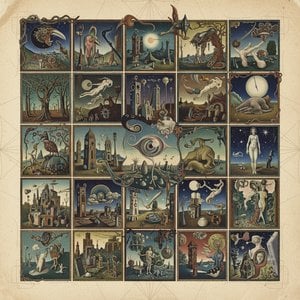
Max Ernst: 25 mistrovských děl surrealismu pro váš domov | ArtsDot.com
Prozkoumejte 25 ikonických děl Maxe Ernsta – surrealistického mistra. Objevte příběhy za obrazy, techniky a inspiraci pro váš interiér s ArtsDot.com. Kvalitní reprodukce umění online.

Hmatové dimenze abstrakce: Vnímání textury a role světla v prohlubování prostorového dojmu malby
Prozkoumejte hmatové dimenze abstrakce! Odborná analýza textury a světla v moderním umění, včetně abstraktního expresionismu. Rady pro sběratele a investory.