

 Sdílet
 Sdílet
 Podrobnosti o díle
 Průvodce

 Stáhnout
 Podobné položky
 Slideshow
 Otázky a odpovědi
 Statistiky
Tabletop

- 138.0 x 138.0 cm


 Zobrazit více
Giclée / Umělecký tisk
Giclée nebo plátěný tisk muzeální kvality s rychlou výrobou a širokou nabídkou povrchových úprav. ( Koupit ručně malovaný obraz Přepnout na digitální obraz)




































Vyberte si z našich přednastavených velikostí, které odpovídají původním proporcím díla.

Zadejte šířku a výšku, které potřebujete pro váš rám nebo stěnu. Tisk lze pouze oříznout, nikdy však nelze zvětšit obraz nad jeho původní rozměr, proto při výběru jiného formátu dochází ke ztrátě části obrazu. Před samotným tiskem vám zašleme digitální náhled k schválení. Obraz zobrazený na této stránce nenabízí skutečný výřez — ten uvidíte pouze v náhledu.
Celosvětové doručení () do 2 týdnů namísto standardních 4/5 týdnů. (13 listopad)

Zdarma celosvětová expresní doprava

Vysoce kvalitní lněné plátno

Kompletní pojištění přepravy

Záruka vrácení celního poplatku

Záruka věrného barevného souladu

100dení lhůta pro vrácení zboží (pouze při vadách výroby)

100% záruka vrácení peněz

Sleva při více objednávkách
 Skleněná varianta je dostupná pouze u rozměrů menších než 110 cm

Tabletop
Giclée / Umělecký tisk
Rozměry reprodukce
-


Celková cena za vybrané možnosti reprodukcí
Kč 1372
An Ode to Intricate Craftsmanship: The Tabletop
To gaze upon this tabletop is to encounter a frozen moment of exquisite human dedication—a surface that speaks volumes through its meticulous ornamentation. This octagonal piece, rendered in what appears to be a deep, lustrous black stone or metal, serves as a breathtaking testament to the pinnacle of decorative arts from the mid-seventeenth century. The composition immediately draws the eye inward, guided by radiating patterns of inlaid brilliance. It is not merely a functional object; it is a miniature landscape of luxury, where every curve and every embedded gleam tells a story of skilled hands and refined taste.
Technique and Material Mastery
The artistry here lies in the breathtaking contrast achieved through inlay work. Against the profound depth of the dark base material—perhaps slate or highly polished marble—the decorative elements burst forth in luminous accents of gold, silver, and warm amber tones. These materials have been painstakingly set into the surface, creating a visual dialogue between the solid and the ethereal. The motifs are overwhelmingly organic: delicate blossoms unfurl alongside gracefully winding vines, while geometric precision is maintained by the very structure of the octagon itself. One can almost feel the cool, smooth polish under the fingertips, juxtaposed with the slight, raised texture of the embedded precious metals. This level of detail suggests a mastery akin to pietra dura, elevating the object from mere furniture to wearable art for the room.
Historical Echoes and Aesthetic Influence
Dating to 1650, this piece firmly anchors itself within the rich tapestry of 17th-century European decorative trends. While the artist associated with the era, Dirck van Rijswijck, is known for his intimate genre scenes of domestic life, this tabletop speaks to a broader cultural milieu—one where opulence and natural beauty were celebrated in material form. The aesthetic echoes the grandeur of Baroque ornamentation, an era that reveled in dramatic flourish and elaborate surface decoration. It suggests a setting of considerable wealth, where even everyday objects were expected to participate in a grand visual narrative.
Symbolism of Light and Life
The symbolism woven into these floral and stellar patterns is deeply resonant. Flowers, universally symbols of life's cycle, are rendered here in perpetual bloom, suggesting enduring beauty and renewal. The inclusion of motifs like the dragonfly—often associated with transformation and agility—adds a layer of delicate natural magic. The interplay between the dark background and the shining inlays can be interpreted as the contrast between mystery and revelation, or shadow giving way to brilliant understanding. It is an object that captures light, both literally through its polished surfaces and figuratively through its enduring elegance.
Bringing Luxury Home
For the collector or designer, this reproduction offers more than just decoration; it offers a curated piece of history imbued with palpable luxury. Imagine this tabletop anchoring a grand hall or serving as a focal point in an exquisitely appointed drawing-room. It invites contemplation, demanding that one slow down and appreciate the thousands of hours of labor embedded within its flawless symmetry. Owning such a reproduction allows one to incorporate the sophisticated drama and timeless grace of Baroque craftsmanship into the modern domestic sphere.
Otázky a odpovědi
Jaké místo v tvorbě umělce Dirck Van Rijswijck zaujímá dílo "Tabletop"?
V rámci tvorby umělce Dirck Van Rijswijck se dílo „Tabletop“ řadí do stylu Baroque Aesthetic a doplňuje tak motivy flemish mannerism influence, domestic life observation, genre scene detail, symbolic floral imagery, workshop showcase masterpiece.
Jak "Tabletop" vyvažuje světlo a stín?
Zaznamenané hodnoty pro dílo „Tabletop“ od Dirck Van Rijswijck jsou: jas shadow, luminance Gentle Luminance.
Zůstalo dílo "Tabletop" ve své domovské zemi?
Ne – dílo se nachází v zahraničí. Dílo „Tabletop“ je uloženo v zemi Netherlands, zatímco Dirck Van Rijswijck se narodil(a) v zemi Germany.
Podobná díla


Biografie umělce
The Gilded Eye: The Life and Art of Dirck van Rijswijck
To step into the world of Dirck van Rijswijck is to enter a realm where the mundane is elevated to the magnificent. A master of the Dutch Golden Age, Rijswijck possessed a rare ability to find profound beauty within the quiet corners of domesticity. While many of his contemporaries sought the grandeur of epic battles or the drama of mythological deities, Rijswijck turned his gaze inward, toward the soft light filtering through a kitchen window or the meticulous arrangement of a household task. His work serves as a luminous window into the 17th-century Dutch soul, capturing the rhythms of daily life with an intimacy that feels both timeless and deeply personal.
Born in 1596 in Kleve, Germany—a region then under the influence of the Spanish Netherlands—Rijswijck’s early years were steeped in the rich traditions of Flemish Mannerism. This formative period provided him with a foundational understanding of intricate detail and structured composition. The son of a painter and engraver, his apprenticeship was almost predestined, allowing him to absorb the technical rigors of his craft from a young age. As he moved toward the artistic epicenter of Haarlem around 1620, he began to synthesize these early influences with the burgeoning Dutch style, eventually settling in Amsterdam, where he would spend much of his prolific life.
A Mastery of Material and Light
Rijswijck’s artistry was uniquely shaped by a dual identity: he was both a painter and a highly skilled goldsmith. This rare intersection of disciplines allowed him to approach the canvas—and other media—with a jeweler's precision. He was celebrated during his lifetime for his extraordinary ability to execute delicate inlaywork, often utilizing mother-of-pearl set against deep ebony or polished black marble. This technique, which blurred the line between fine art and decorative craft, resulted in breathtaking objects such as his famous tabletops, where organic floral motifs seemed to bloom from dark, lustrous surfaces.
In his paintings, this same obsession with texture and light manifests through a remarkable realism. Whether he was depicting the glint of a pewter plate or the soft translucency of a kitchen vegetable, his brushwork conveyed a tactile reality that invited the viewer to reach out and touch the scene. His style was heavily influenced by the dynamic energy of Peter Paul Rubens, yet Rijswijck tempered this Flemish exuberance with a uniquely Dutch restraint. He utilized rich, warm color palettes and carefully orchestrated compositions to guide the eye through his genre scenes, ensuring that even the smallest detail contributed to the overall narrative of domestic prosperity.
The Legacy of the Quiet Observer
The historical significance of Dirck van Rijswijck lies in his role as a chronicler of the ordinary. His oeuvre, consisting of approximately 150 known works, remains a vital record of the social and material culture of the Dutch Golden Age. Through masterpieces such as “The Kitchen Maid” and “Kitchen Scene with the Supper at Emmaus,” he documented the rituals of a rising merchant class, celebrating the dignity found in labor and the quiet luxury of a well-ordered home.
His contributions to art history can be summarized through several enduring impacts:
- Elevation of Genre Painting: He helped transition the focus of European art from grand historical narratives toward the psychological depth of everyday life.
- Integration of Craft and Fine Art: His work as a goldsmith brought a level of material sophistication to decorative arts that few painters could replicate.
- Technical Precision: His mastery of light, shadow, and texture set a standard for the realism that would define much of 17th-century Dutch painting.
Ultimately, Rijswijck’s legacy is one of empathy. He did not merely observe his subjects; he understood them. By imbuing domestic interiors with such profound care and aesthetic splendor, he reminded the world that there is a sacredness to be found in the simplest of human moments.

Dirck Van Rijswijck
1596 - 1679 , Germany
Rychlé informace o umělci
- Full Name: Dirck van Rijswijck
- Nationality: Dutch
- Date Of Birth: 1596
- Date Of Death: 1679
- Place Of Birth: Krefeld, Germany
- Notable Artworks:
- Tabletop
- The kitchen maid
- Kitchen Scene with the Supper at Emmaus
- Artistic Movement Or Style: Dutch Golden Age
Související články
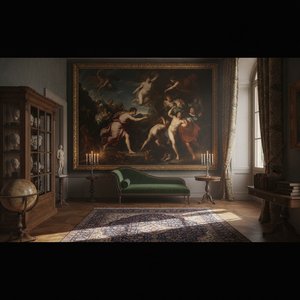
Bring Drama Home: A Sophisticated Guide to Capturing the Grandeur of Flemish Baroque Art
Discover how to infuse your home with the dramatic elegance of Flemish Baroque art. From Rubens' motion to Van Dyck's prestige, learn to curate breathtaking, hand-painted oil reproductions and custom masterpieces that transform modern interiors into timeless sanctuaries.

Top 10 mistrovských děl holandského baroka – obrazy a umělci | ArtsDot.cz
Objevte 10 ikonických děl holandského baroka! Prozkoumejte příběhy Rembrandta, Vermeera a dalších mistrů. Repliky obrazů nejvyšší kvality pro váš interiér na ArtsDot.cz – inspirace a umělecké reprodukce online.

25 Mistrovských Děl Rijksmuseumu: Umění, Historie a Inspirace pro Váš Domov
Prozkoumejte 25 nejúžasnějších děl Rijksmuseumu v Amsterdamu! Obrazy Rembrandta, Van Gogha a dalších holandských mistrů. Inspirace pro váš interiér s reprodukcemi umění nejvyšší kvality na ArtsDot.com.