


 Náhled v interiéru
 Sdílet
 Sdílet
 Podrobnosti o díle
 Průvodce

 Stáhnout
 Podobné položky
 Rentgenové snímky
 Slideshow
 Statistiky
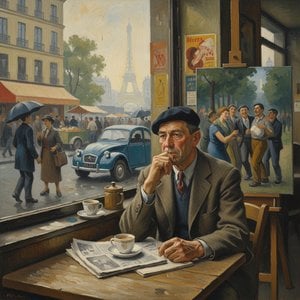
untitled (138)

 Zobrazit více
Ručně malovaná olejová reprodukce
Rukou malované olejné plátno v libovolném rozměru i s rámem, vyrobené našimi umělci na zakázku. ( Přepnout na tisk Přepnout na digitální obraz)




































Vyberte si z našich přednastavených velikostí, které odpovídají původním proporcím díla.

Zadejte šířku a výšku, které potřebujete pro váš rám nebo stěnu. Protože se jedná o ruční malbu, při výběru jiného formátu může umělec kolem obrazu domalovat o něco více, nebo jej mírně oříznout — rozhodnete si vy. Před zahájením malby vám zašleme digitální náhled ke schválení. Obraz zobrazený na této stránce neodpovídá skutečnému výsledku — pouze digitální náhled jej zobrazuje.
Po přijetí objednávky vám tým ArtsDot.com zašle e-mail s pokyny a poskytne náhledovou verzi.
Celosvětová doprava () za 3–4 týdny namísto standardních 5 týdnů. (27 říjen). Bez kompromisů v kvalitě.

Zdarma celosvětová expresní doprava

Vysoce kvalitní lněné plátno

Kompletní pojištění přepravy

Záruka vrácení celního poplatku

Záruka věrného barevného souladu

100dení lhůta pro vrácení zboží (pouze při vadách výroby)

100% záruka vrácení peněz

Sleva při více objednávkách
 Skleněná varianta je dostupná pouze u rozměrů menších než 110 cm

untitled (138)
Technika reprodukce
Rozměry reprodukce
-


Celková cena za vybrané možnosti reprodukcí
Kč 6177
Podobná díla


Biografie umělce
Most mezi světy: Život a umění Maurice Denise
Maurice Denis, narozený v pobřežním francouzském městě Granville v roce 1870, zaujímá ve v서artovních dějinách fascinující pozici – je to klíčová postava stojící na rozhraní vyhasínajících dnů impresionismu a rodících se proudů moderního umění. Jeho život byl zasvěcen snaze o usmíření duchovního toužení s uměleckou inovací, což vyústilo v tvorbu, která je hluboce osobní i nesmírně vlivná. Již od raného věku Denis projevoval citlivost k evokativní síle vizuálního zážitku, zejména v posvátných prostorech svého dětství v kostele. Hra světla, barvy a vůně kadidla v něm zapálila celoživotní fascinaci symbolismem a možností, že umění může vyjící něco mnohem hlubšího než pouhou reprezentaci reality. Tento formativní vliv se stal defining charakteristikou jeho umělecké vize a odlišil ho od mnoha současníků, kteří se stále více soustředili na zachycování pomíjivých okamžiků smyslového vnímání. Nebyl totiž zajímav pouze o to, co viděl, ale především o tom, jaké to vyvolávalo pocity – a jak tyto pocity přeložit do vizuálního jazyka schopného vyjádřit to, co je neuchopitelné.
Nabisové a hledání symbolismu
Denisova umělecká cesta udělala rozhodující zvrat, když se stal centrálním členem skupiny Les Nabis, společenství mladých umělců usilujících o revoluci v malířství prostřednictvím duchovnějšího a symbolického přístupu. Samotný název „Nabis“ – anagram slova „proroci“ – odhaloval jejich ambici vytvořit umění, které nebylo pouze dekorativní, ale neslo hlubší, téměř náboženský význam. Spolu s postavami jako Paul Sérusier a Pierre Bonnard Denis odmítl naturalismus impresionismu ve prospěže plochých perspektiv, odvážných barev a evokativních vzorů. Nešlo o opuštění řemeslné zdatnosti, ale o redefinici jejího účelu. Nabisové věřili, že umění by mělo být syntézou formy a myšlenky, pečlivě konstruovanou sestavou prvků navržených tak, aby vyvolávaly emoce a naznačovaly skrytý význam. Denis tuto filozofii nejznáměji formuloval ve svém slavném výroku: „Pamatujte, že malba – jako plochý povrch s barvami uspořádanými v určitých vztazích – nemá nic společného s obrazovou imitací přírody.“ Toto prohlášení se stalo kamenem základním modernismu a připravilo cestu movementům jako kubismus a fauvismus. Jeho raná díla z tohoto období, jako například Le Mystère Catholique (1889), demonstrují jeho průzkum náboženských témat skrze jasně symbolický filtr – odklon od tradičního akademického malířství.
Evoluce stylu: Od symbolismu k neoklasicismu
Během své kariéry Denisův styl prošel fascinující evolucí. Přestože zůstal věr principům symbolismu a duchovnímu vyjádření, experimentoval s různými technikami a vlivy. Počátečně inspirovaný živými barvami a plochými tvary Gauguina a japonských drzeworytů se později obrátil k strukturovanějším kompozicím Paula Cézanne, hledajíc novou formu klasicismu zakořeněnou v moderní citlivosti. Tato změna je patrná v jeho obrazech z 90. let 19. století a počátku 20. století, které vykazují větší důraz na formu, rovnováhu a jasnost. Neimitoval Cézanne prostě jen tak; vstřebával lekce strukturální přísnosti a aplikoval je na svou vlastní jedinečnou vizi. Toto období také vidělo jeho hlubší ponor do náboženského tématu, neboť věřil, že umění má zásadní roli při oživování duchovního života. Jeho dílo se stávalo stále více prosyceným pocitem klidu a kontemplace, což odráželo jeho osobní víru a touhu vytvářet obrazy, které by inspirovaly úctu a oddanost.
Trvalé dědictví: Umění, víra a Ateliers d'Art Sacré
Denisův vliv sahal daleko za hranice jeho vlastních obrazů. Byl také prolificním spisovatelem a artkritikem, který své estetické teorie formuloval v licznych esejích a článcích. Jeho myšlení pomohlo utvářet vývoj moderního umění a inspirovalo generace umělců k hledání nových způsobů zobrazení reality a vyjádření jejich vnitřních světů. V roce 1919 založil Ateliers d'Art Sacré (Ateliéry posvátného umění), kolektiv věnovaný obnově kostelů a vytváření náboženských děl, která by v sobě nesla jak uměleckou vynikavost, tak duchovní hloubku. Tato iniciativa odrážela jeho přesvědčení, že umění by mělo být nedílnou součástí každodenního života, obohacovat lidskou zkušenost a podporovat pocit komunity. Představoval si renesanci posvátného umění – nikoliv jako návrat k minulým stylům, ale jako přetvoření tradice v světle moderní citlivosti. Maurice Denis zemřel v roce 1943 a zanechal po sobě bohatou a rozmanitou tvorbu, která stále rezonuje u diváků i dnes. Jeho malby, psané slovo a pedagogické úsilí upevnily jeho místo klíčové postavy v přechodu od impresionismu k modernímu umění – mostu mezi světy, který navždy utváří naše chápání síly a smyslu umělecké výraznosti.
Klíčové charakteristiky Denisovy tvorby
- Symbolismus: Pervazivní využívání symbolů a alegorických obrazů k vyjádření hlubších významů.
- Duchovní témata: Časté zkoumání náboženských témat a hluboký smysl pro spiritualitu.
- Plachost formy: Důraz na dvourozměrnost plátna a odmítnutí tradiční perspektivy.
- Odvážná barva: Použití živých, často nenaturalistických barev pro vytvoření emocionálního dopadu.
- Syntetismus: Záměrné zjednodušování tvarů a zaměření na vytváření harmonických kompozic.

Maurice Denis
1870 - 1943 , Francie
Rychlé informace o umělci
- Artistic Movement Or Style: Nabis, Symbolismus, Neo-klasicismus
- Artists Or Movements Influenced By This Artist:
- Cubismus
- Fauvismus
- Artists Who Influenced This Artist:
- Puvis de Chavannes
- Paul Cézanne
- Date Of Birth: 25. listopadu 1870
- Full Name: Maurice Denis
- Nationality: Francouzský
- Notable Artworks:
- Le Mystère Catholique
- La Légende de Saint Hubert
- Place Of Birth: Granville, Francie
Související články

Za hranicemi světla a barvy: Impresionismus versus Postimpresionismus pro náročného sběratele
Prozkoumejte svět impresionismu a postimpresionismu s . Průvodce pro náročné sběratele, investiční potenciál a rady od odborníků. Objevte mistrovská díla Cézannea, Van Gogha a Gauguina.
Denis Maurice: A Study in Post-War French Figuration & the Poetics of Everyday Life
Explore the life & work of Maurice Denis, pivotal French painter bridging Impressionism to modern art. Discover his Nabis symbolism, theories on 'ideation,' and profound commitment to sacred art. A deep dive for art enthusiasts.

Paul Cézanne: 25 mistrovských děl a revoluce v moderním umění | ArtsDot.cz
Prozkoumejte 25 ikonických děl Paula Cézanna – průkopníka moderního umění a impresionismu. Obdivujte jeho still life, krajiny a portréty. Reprodukce obrazů v nejvyšší kvalitě na ArtsDot.com. Inspirace pro váš interiér!

Top 10 mistrovských děl postimpresionismu: Umění a inspirace pro váš domov
Prozkoumejte 10 ikonických děl postimpresionismu od Van Gogha, Moneta a Cézanna. Objevte příběhy umělců, techniky a inspiraci pro váš interiér s luxusními reprodukcemi obrazů na ArtsDot.com.

Beyond Impressionism: Exploring the Emotional Depth of Post-Impressionist Painting
Explore the profound emotional depth & innovative techniques of Post-Impressionism with ArtsDot. Discover Cézanne, Van Gogh, Gauguin & more – and their lasting impact on modern art.
