

 Náhled
 Sdílet
 Sdílet
 Podrobnosti o díle

 Stáhnout
 Podobné položky
 Rentgenové snímky
 Slideshow
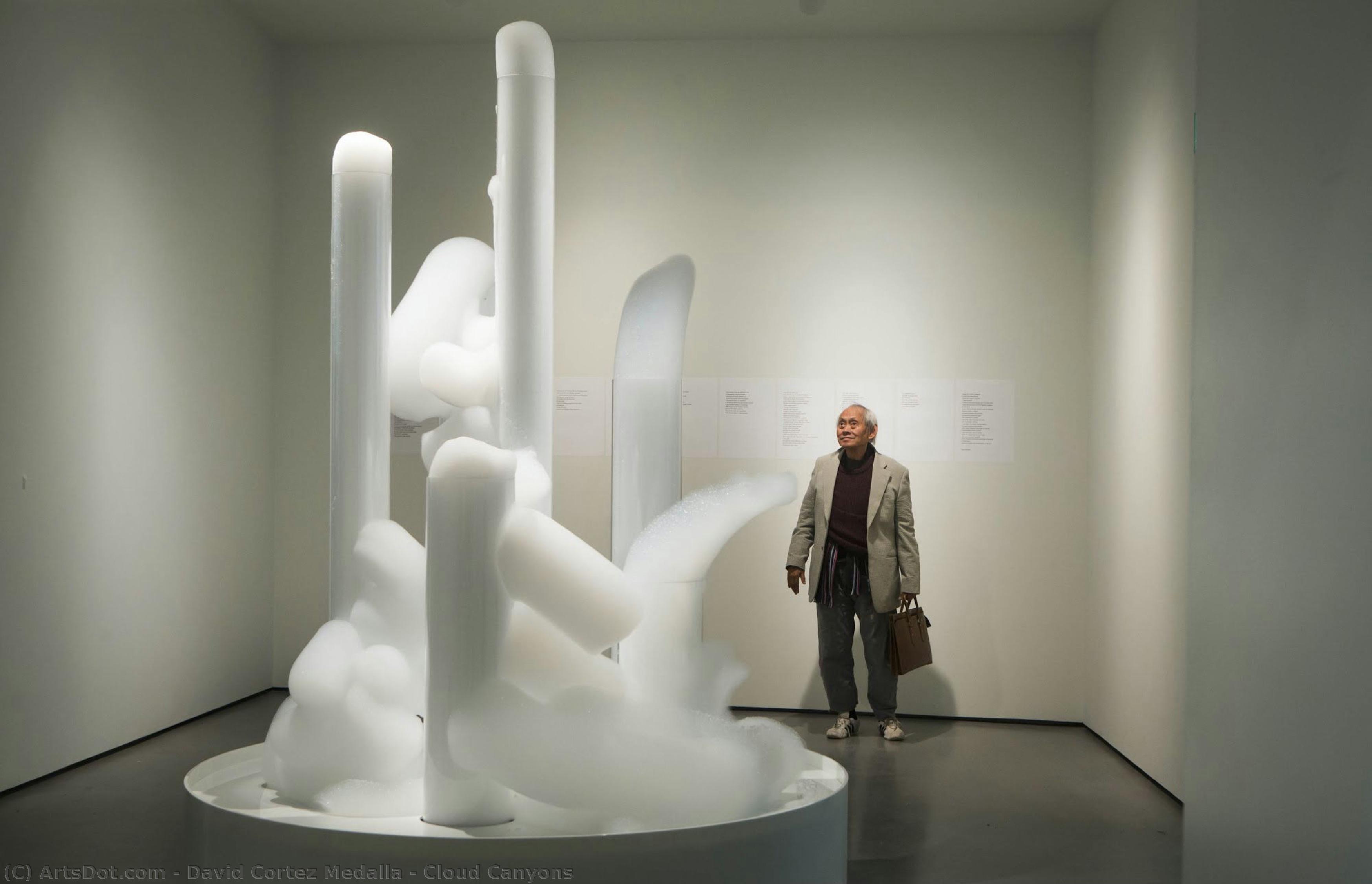
Cloud Canyons

 Zobrazit více
Ručně malovaná olejová reprodukce
Ručně malovaná olejná barva na plátně ve vašem zvoleném rozměru i s rámem, vyrobená našimi umělci na zakázku. ( Koupit tisk Koupit obrázek)




































Vyberte si z našich přednastavených velikostí, které odpovídají původním proporcím díla.

Můžete zadat vlastní rozměry pro konkrétní rám nebo prostor. Pokud se vámi vybraná velikost neshoduje s proporcemi původního obrazu, dílo buď ořízneme, nebo jej doplníme ručně malovanými prvky. Před zahájením výroby vám bude zaslán digitální náhled ke schválení.
Upozorňujeme, že náhled na obrazovce neodpovídá skutečnému ořezu ani rozšíření. Pouze digitální náhled přesně zobrazí finální kompozici.
Ačkoliv je možné zvolit vlastní velikost, pro zachování původních proporcí doporučujeme vybrat rozměr z předdefinovaného seznamu.
Po přijetí objednávky vám tým ArtsDot.com zašle e-mail s pokyny a poskytne náhledovou verzi.
Celosvětová doprava () za 3–4 týdny namísto standardních 5 týdnů. (15 srpen). Bez kompromisů v kvalitě.

Zdarma celosvětová expresní doprava

Vysoce kvalitní lněné plátno

Kompletní přepravní pojištění

Záruka vrácení celního poplatku

Záruka přesného barevného shodu

60denní lhůta pro vrácení zboží (pouze při vadách výroby)

100% garance vrácení peněz

Sleva při hromadné objednávce
 Skleněná varianta je dostupná pouze u rozměrů menších než 110 cm

Cloud Canyons
Technika reprodukce
Rozměry reprodukce
-


Celková cena za výběr
$ 263
Popis díla
Podobná umělecká díla


Biografie umělce
David Cortez Medalla: A Life Woven with Art and Activism
Born in Manila, Philippines, in 1942, David Cortez Medalla’s life was a vibrant tapestry woven from artistic experimentation, political engagement, and a relentless pursuit of innovative forms. From his early days immersed in the literary scene of pre-war Manila to his groundbreaking contributions to kinetic art and participatory practices in London and beyond, Medalla consistently challenged conventional notions of art and its relationship with society. His work wasn’t merely about creating objects; it was an invitation—a call to engage, to contribute, and ultimately, to reflect on the interconnectedness of human experience.
Early Years and Artistic Beginnings
David Medalla's childhood in Manila provided a rich foundation for his future artistic endeavors. His father, David Medalla Sr., was a prominent figure in Philippine commerce, while his mother, Juanita Angkay Cortez, brought a deep connection to Cebu’s cultural heritage. The wartime evacuation and subsequent rebuilding of his family home instilled within him a profound awareness of displacement and resilience—themes that would later permeate much of his work. Early exposure to poetry, nurtured by tutors like Francisco Arcellana, ignited a passion for language and expression. A pivotal moment occurred when he stowed away on the *SS President Wilson*, an impulsive act that led to a scholarship at St. Mary’s School in Sagada—a remote mountain community offering a stark contrast to urban Manila. This experience fostered a deep appreciation for nature and a sense of detachment from societal norms, influencing his later explorations of the subconscious.
His burgeoning talent as a poet quickly gained recognition, with his work appearing in prominent Philippine publications like *The Campus Journal* and *The Philippine Collegian*. A unique characteristic—submitting poems with his author’s image deliberately upside down—demonstrated a rebellious spirit and a desire to disrupt conventional expectations. Following this early success, Medalla's intellectual curiosity led him to Columbia University in New York City, where he studied philosophy under John Randall and engaged with influential figures like Mark Van Doren. This period exposed him to the burgeoning avant-garde scene of the 1960s, shaping his artistic vision and solidifying his commitment to challenging established boundaries.
London and the Rise of Kinetic Art
Immigrating to London in 1960 marked a transformative period for Medalla. He quickly became immersed in the city’s vibrant experimental art scene, co-founding the Signals Gallery with Paul Keeler, Gustav Metzger, and Marcello Salvadori. This gallery served as a crucial incubator for groundbreaking artists like Lygia Clark and Jesús Rafael Soto, introducing them to British audiences and fostering a spirit of collaboration and innovation. Medalla's work during this time was characterized by kinetic sculptures—dynamic installations that responded to movement and light—often incorporating elements of chance and unpredictability. His *Cloud Canyons* (bubble machines), first conceived in 1963, became iconic symbols of his approach, blurring the lines between art and technology and inviting viewers to become active participants in the creative process.
The Exploding Galaxy, a performance group Medalla initiated alongside Keeler, further expanded his artistic practice. These spontaneous events, often staged in public spaces, combined elements of theater, music, and visual art, challenging social norms and provoking critical reflection. His engagement with figures like Marcel Duchamp—receiving a “medallic” object as a tribute—underscored his recognition within the international art community.
Participatory Art and Social Commentary
As the 1970s progressed, Medalla’s artistic focus shifted towards participatory art. His seminal work, *A Stitch in Time* (1968-2017), exemplified this approach—a monumental collaborative textile installation inviting viewers from around the world to contribute stitches, creating a collective artwork that symbolized global interconnectedness and shared human experience. This project, along with his later works like “Synoptic Realism,” demonstrated a deep commitment to social engagement and a belief in art’s capacity to foster dialogue and promote positive change.
Medalla's work consistently addressed themes of displacement, memory, and the relationship between humanity and technology. His installations often incorporated found objects, recycled materials, and elements of chance, reflecting his interest in exploring the unpredictable nature of reality. He actively sought to dismantle traditional hierarchies within the art world, advocating for inclusivity and challenging established notions of artistic value.
Legacy and Recognition
David Medalla’s influence on contemporary art is undeniable. His pioneering work in kinetic sculpture, participatory art, and performance art continues to inspire artists around the globe. He was a key figure in shaping the British avant-garde of the 1960s and beyond, and his legacy extends far beyond London. His works are held in major museums worldwide, including the National Museum of Fine Arts in Manila, Tate Modern in London, and the Hammer Museum in Los Angeles. In 2016, he was shortlisted for the Hepworth Prize for Sculpture, a testament to his enduring artistic significance. David Medalla passed away in Manila in December 2020, leaving behind a rich body of work that continues to provoke, challenge, and inspire.

david cortez medalla
1942 - 2020 , Philippines
Rychlé fakta
- Artistic Movement Or Style: Kinetic sculpture, Installation art, Political art
- Date Of Birth: March 23, 1942
- Date Of Death: December 28, 2020
- Full Name: David Cortez Medalla
- Nationality: Filipino
- Notable Artworks:
- A Stitch in Time
- n"Cloud Canyons"], "Artists who influenced this artist": [“Francisco Arcellana”, “John Randall”], "Artists or movements influenced by this artist":["Lygia Clark",
- Jesús Rafael Soto
- Place Of Birth: Manila, Philippines

