

 Zobrazit v interiéru
 Odeslat
 Sdílet
 Podrobnosti
 Průvodce

 Stáhnout obrázek
 Podobné kousky
 Rentgenové snímky
 Slideshow
 Statistiky
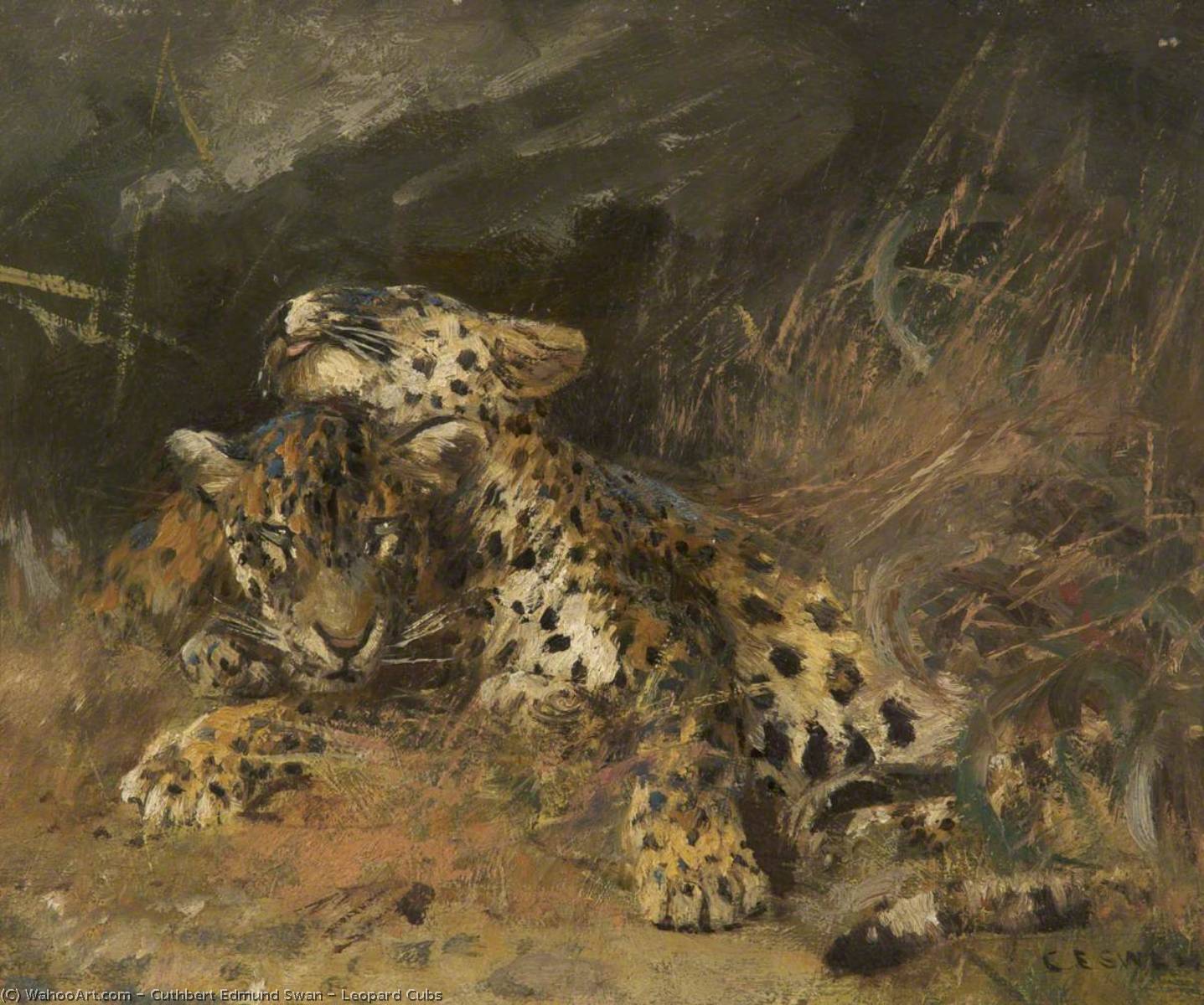
Leopard Cubs
 19.0 x 24.0 cm
 Přečíst si více
Ručně malovaná olejová reprodukce
Ručně malované olejné plátno v libovolném rozměru i s rámem, vyrobené našimi umělci na zakázku. ( Přepnout na tiskové verze Přepnout na digitální verzi obrazu)




































Vyberte si z našich přednastavených velikostí, které odpovídají původním proporcím díla.

Můžete zadat vlastní rozměry pro konkrétní rám nebo prostor. Pokud se vámi vybraná velikost neshoduje s proporcemi původního obrazu, dílo buď ořízneme, nebo jej doplníme ručně malovanými prvky. Před zahájením výroby vám bude zaslán digitální náhled ke schválení.
Upozorňujeme, že náhled na obrazovce neodpovídá skutečnému ořezu ani rozšíření. Pouze digitální náhled přesně zobrazí finální kompozici.
Ačkoliv je možné zvolit vlastní velikost, pro zachování původních proporcí doporučujeme vybrat rozměr z předdefinovaného seznamu.
Po přijetí objednávky vám tým ArtsDot.com zašle e-mail s pokyny a poskytne náhledovou verzi.
Celosvětová doprava () za 3–4 týdny namísto standardních 5 týdnů. (23 září). Bez kompromisů v kvalitě.

Zdarma celosvětová expresní doprava

Vysoce kvalitní lněné plátno

Úplné pojištění přepravy

Záruka vrácení celního poplatku

Záruka věrného barevného shodu

100dení lhůta pro vrácení zboží (pouze při vadách výroby)

100% garance vrácení peněz

Sleva při více objednávkách
 Skleněná varianta je dostupná pouze u rozměrů menších než 110 cm

Leopard Cubs
Technika provedení
Velikost reprodukce
-


Celková cena
$ 263
Související díla


Biografie umělce
Cuthbert Edmund Swan (1870 - 1931): A Pioneer of Zoological Art
Cuthbert Edmund Swan was born in Ballyragget, Co Kilkenny, Ireland, on June 26th, 1870. He descended from a family steeped in artistic tradition; his father, John Macallan Swan, R.A., was himself a celebrated painter and sculptor known for his evocative depictions of Scottish landscapes and wildlife—a lineage that profoundly shaped Cuthbert’s own artistic sensibilities. From an early age, Swan demonstrated exceptional talent for drawing and painting animals, fostering a lifelong fascination with the natural world and its representation in art. His formative years were spent honing his skills at Seaford College, Sussex, preparing him for a distinguished academic career. Swan embarked on his artistic journey by studying at the Académie Julien in Paris—a pivotal moment that exposed him to the burgeoning Impressionist movement and cemented his commitment to capturing fleeting moments of beauty and emotion. This immersion in Parisian art culture instilled within him a stylistic approach characterized by luminous color palettes, loose brushstrokes, and an emphasis on atmospheric perspective – techniques he would consistently employ throughout his prolific artistic output. Returning to London after his studies, Swan established himself as a teacher at the Central School of Arts and Crafts, specifically focusing on animal drawing—a vocation that allowed him to transmit his passion for zoological art to aspiring artists and contribute to the burgeoning field of natural history illustration. Swan’s artistic career blossomed during the Victorian era, coinciding with a surge in interest in scientific observation and artistic representation of animals. He joined the Feline School alongside Walter Sickert, Lucien Pissarro, and Robert Bevan—artists who shared his dedication to capturing the essence of animal behavior and appearance with remarkable accuracy. This collaborative environment nurtured Swan’s artistic vision and propelled him toward producing masterpieces that continue to resonate with audiences today. His distinctive style – marked by meticulous detail combined with expressive brushwork – distinguished him from many of his contemporaries, establishing him as a singular voice within the Victorian art landscape. Swan's prolific output spanned over six decades, resulting in approximately 66 exhibitions at the Royal Academy and numerous other venues across England and France. Among his most celebrated works are “Duke - a study of a lion,” “Jaguars at Play,” and “Puma and cubs”—paintings that exemplify his mastery of animal portraiture and his ability to convey both scientific observation and artistic emotion simultaneously. These pieces reside in prominent collections, including Birmingham Museum and Art Gallery and Llandudno Museum—testaments to Swan’s enduring legacy as a pioneering figure in zoological art. Swan's influence extended beyond the realm of painting; he served as a teacher at the Central School of Arts and Crafts for many years, nurturing generations of artists who would carry forward his artistic vision. His brother Edwin Swan was also a portrait painter—a familial connection that further solidified their shared commitment to artistic excellence. Cuthbert Edmund Swan died peacefully in Hampstead, London, on November 2nd, 1931, leaving behind an impressive body of work that continues to inspire admiration and scholarly study. His legacy as one of Britain’s foremost animal painters remains secure within the annals of art history.- Notable Exhibitions: Royal Academy (66 times), Paris Salon
- Museum Collections: Birmingham Museum and Art Gallery, Llandudno Museum
- Influential Collaborators: Walter Sickert, Lucien Pissarro, Robert Bevan

cuthbert edmund swan
1870 - 1931
Rychlé informace
- Artistic Movement Or Style: Animal Painting
- Artists Or Movements Influenced By This Artist:
- Walter Sickert
- Lucien Pissarro
- Artists Who Influenced This Artist: ['John Macallan Swan']
- Date Of Death: 1931
- Full Name: Cuthbert Edmund Swan
- Nationality: Irish
- Notable Artworks:
- Duke - a study of a lion
- Tiger with Prey
- Leopard Cubs
- Place Of Birth: Ballyragget, Co Kilkenny, Ireland