

 Náhled
 Sdílet
 Sdílet
 Podrobnosti o díle

 Stáhnout
 Podobné položky
 Rentgenové snímky
 Slideshow
Ovidius
 Etching
- Contemporary Realism
 1970
1970- Modern
 58.0 x 48.0 cm
 USC Fisher Museum of Art
 Zobrazit více
Koupě vysoce rozlišeného, vylepšeného digitálního obrazu, který je mnohem kvalitnější než online náhled.
Každý soubor je pečlivě připraven našimi odborníky pomocí pokročilých nástrojů a expertní manuální retuše. Zajišťujeme, aby každý obraz disponoval výjimečnou ostrostí, přesnou barevnou věrností a jemnými detaily.
Finální soubor vám bude do 72 hodin zaslán e-mailem, optimalizovaný pro okamžité použití v profesionálním, redakčním i tiskovém prostředí. Nabízíme stejnou kvalitu, které důvěřují špičková designová studia, nakladatelství i galerie.
Digitální obrazy
Stáhněte si soubor ve vysokém rozlišení pro osobní prohlížení, tisk a kreativní projekty. ( Koupit tisk Koupit ručně malovaný obraz)
Součást každé objednávky digitálního obrazu
Profesionální digitální doručení, zaručeno.
Když si vyberete ArtsDot.com, nezískáváte pouze obrázek – získáváte digitální umělecké dílo s profesionálně vylepšenými detaily, zpracované s precizností a podpořené zárukou za spokojenost. Zde je vše, co vaše objednávka automaticky obsahuje:

Rychlé doručení e-mailem
Váš digitální obraz ve vysokém rozlišení vám bude zaslán e-mailem do 72 hodin od objednávky – připraven k okamžitému použití.

Digitální soubor s využitím AI
Vaše umělecké dílo je profesionálně optimalizováno pomocí pokročilých nástrojů umělé inteligence a manuální úpravy, což zajišťuje maximální úroveň detailu, ostrosti a přesnosti barev.

Bezplatné doživotní znovuodeslání
Soubor jste omylem smazali nebo ztratili? Žádný problém – kdykoliv vám ho znovu zašleme zcela zdarma.

Bez poplatků za dovoz – navždy
Užijte si své umělecké dílo okamžitě bez celních poplatků, daní nebo nákladů na dopravu – digitální stažení je vždy bez daňových povinností.

Záruka přesnosti barev
Pomocí profesionálních nástrojů a správy barev zajišťujeme, aby váš digitální obraz odrážel původní barvy co nejvěrněji.

60denní záruka spokojenosti
Pokud nebudete s digitální fotografií spokojeni, provedeme její revizi nebo vám vrátíme 100% během 60 dnů – bez jakýchkoliv dotazů.

100% záruka vrácení peněz
Nespokojeni? Získejte plnou částku zpět do 60 dní od přijetí vašeho digitálního souboru – bez jakýchkoliv dotazů.

Slevy při hromadných objednávkách
Koupěte si 3 obrazy, ušetřete 10% - Koupěte si 5, ušetřete 15% - Koupěte si 10+, ušetřete 20%. Ideální pro kreativní projekty, galerie a agentury.
Popis sběratelského kusu
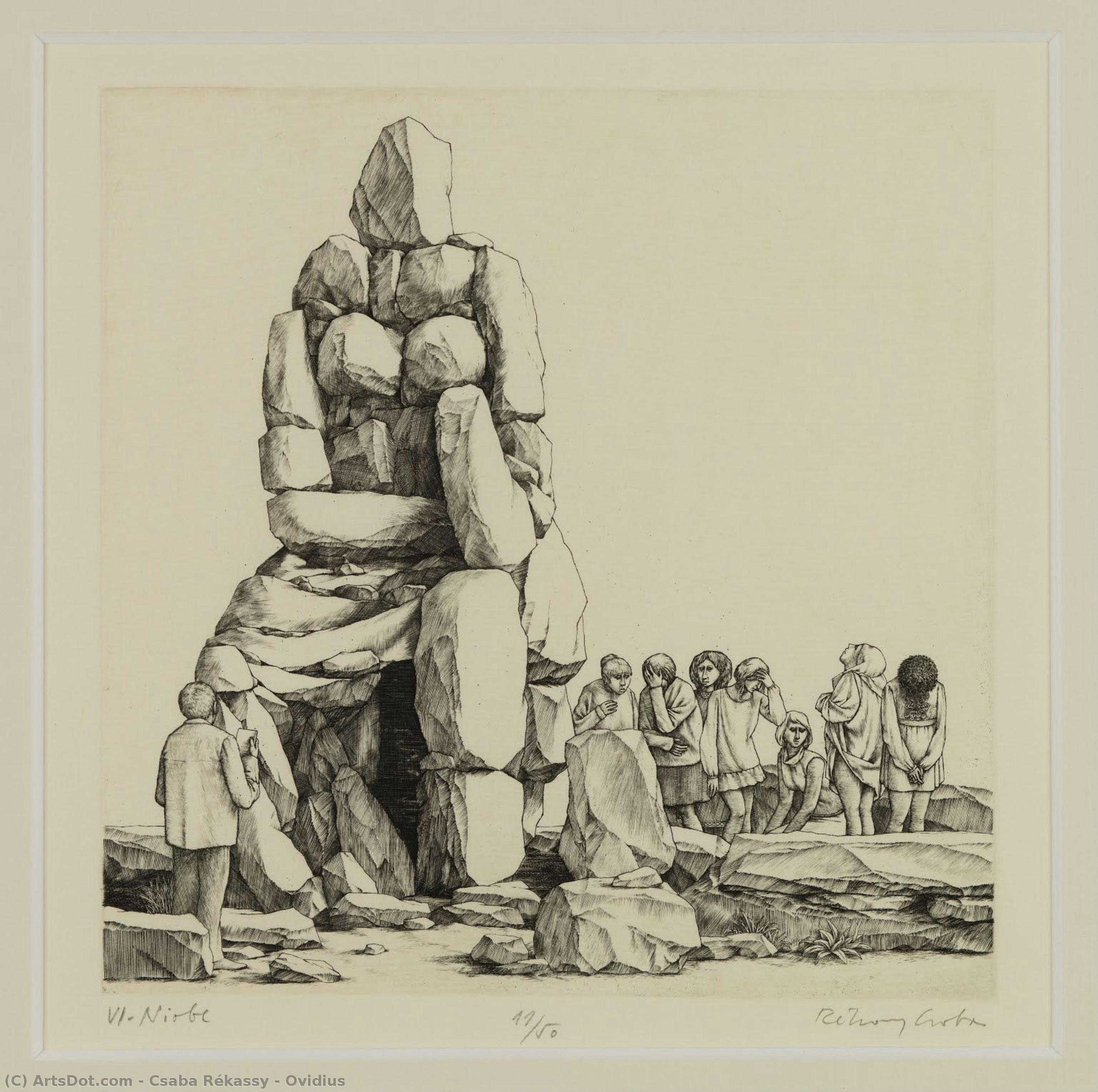
A Monument of Mystery: The Etched World of Csaba Rékassy
In the quiet, evocative depths of Csaba Rékassy’s 1970 etching, Ovidius, we are transported to a realm where history and myth converge. This masterful work of printmaking does not merely depict a scene; it invites the viewer into a profound moment of human discovery. At the heart of the composition stands an imposing, monolithic rock formation, reminiscent of an ancient Egyptian obelisk or a forgotten monument from a lost civilization. As a group of figures gathers around this colossal structure, their presence serves as a scale for the monumental task of understanding the past. The scene is thick with a sense of curiosity and reverence, capturing that fleeting, breathless instant when humanity encounters the sublime mysteries of antiquity.
The technical brilliance of Rékassy lies in his command over the etching medium, a technique that allows for an unparalleled level of textural detail. Through the meticulous application of fine lines, hatching, and cross-hatching, the artist breathes life into the cold stone and the soft fabrics of the onlookers. The monochromatic palette—a sophisticated dance of black, white, and infinite shades of gray—strips away the distraction of color to focus our attention on form, light, and shadow. This deliberate restraint emphasizes the rugged, angular textures of the central monument, contrasting them against the more rounded, organic forms of the human figures. The result is a composition that feels both physically grounded and spiritually ethereal.
Symbolism and the Echoes of Ovid
The title Ovidius suggests a deep connection to the classical poet Ovid, whose Metamorphoses explored the fluid boundaries between the human and the divine. In this etching, the rock formation acts as a powerful symbol of permanence, power, and the enduring weight of history. It stands as an unyielding witness to the passage of time, much like the legends recorded by Ovid. The figures, caught in various states of contemplation and wonder, represent the eternal human impulse to explore, to decode, and to find meaning within the remnants of what came before us. There is a palpable tension between the ephemeral nature of the people and the eternal presence of the stone.
For the discerning collector or interior designer, this piece offers more than just visual beauty; it provides an intellectual and emotional anchor for a space. The diffused, atmospheric lighting creates a soft, contemplative mood that is perfect for libraries, studies, or sophisticated living areas where one seeks to foster thought and reflection. As a high-quality reproduction, Ovidius brings the somber elegance of Hungarian printmaking tradition into the modern home, offering a window into a world of mystery and a tribute to the timeless beauty of classical inspiration.
Podobná umělecká díla


Biografie umělce
A Master of Hungarian Etching Tradition
Csaba Rékassy (1937 – 1989) stands as a singular figure in Hungarian art history, recognized for his unwavering dedication to the etching technique and his ability to distill classical artistic ideals into strikingly complex compositions. Born in Hungary during a period of significant cultural upheaval, Rékassy’s artistic journey unfolded largely independently, fueled by an innate talent and a profound respect for the heritage of Hungarian painting. Despite limited formal training—he was primarily self-taught—his output demonstrates an astonishing command of printmaking, cementing his place among Hungary's most accomplished artists.- Early Life & Artistic Beginnings: Details about Rékassy’s formative years are scarce, reflecting the challenges faced by artists operating outside established academic circles during that era.
- Notable Works & Artistic Influences: “Ovidius” remains Rékassy's most celebrated achievement. This monumental etching portrays a scene from Ovid’s Metamorphoses, capturing the poet’s dramatic narrative with breathtaking precision and conveying an emotional depth that transcends mere visual representation. Beyond classical influences, Rékassy absorbed inspiration from Hungarian folk art traditions, subtly incorporating elements of Hungarian ornamentation into his compositions. He was particularly drawn to the expressive power of chiaroscuro—the interplay between light and shadow—a technique perfected by Rembrandt and Caravaggio—artists he greatly admired.

csaba rékassy
1937 - 1989 , Hungary
Stručné informace
- Artistic Movement Or Style: Classical etching
- Date Of Death: 1989
- Full Name: csaba rékassy
- Nationality: Hungarian
- Notable Artworks:
- Ovidius
- Street scene, paris
- Place Of Birth: Hungary

