


 Zobrazit v interiéru
 Odeslat
 Sdílet
 Podrobnosti
 Průvodce

 Stáhnout obrázek
 Podobné kousky
 Rentgenové snímky
 Slideshow
 Statistiky
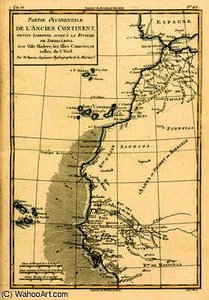
Tabula II Affricae


 Přečíst si více
Ručně malovaná olejová reprodukce
Ručně malované olejné plátno v libovolném rozměru i s rámem, vyrobené našimi umělci na zakázku. ( Přepnout na tiskové verze Přepnout na digitální verzi obrazu)




































Vyberte si z našich přednastavených velikostí, které odpovídají původním proporcím díla.

Můžete zadat vlastní rozměry pro konkrétní rám nebo prostor. Pokud se vámi vybraná velikost neshoduje s proporcemi původního obrazu, dílo buď ořízneme, nebo jej doplníme ručně malovanými prvky. Před zahájením výroby vám bude zaslán digitální náhled ke schválení.
Upozorňujeme, že náhled na obrazovce neodpovídá skutečnému ořezu ani rozšíření. Pouze digitální náhled přesně zobrazí finální kompozici.
Ačkoliv je možné zvolit vlastní velikost, pro zachování původních proporcí doporučujeme vybrat rozměr z předdefinovaného seznamu.
Po přijetí objednávky vám tým ArtsDot.com zašle e-mail s pokyny a poskytne náhledovou verzi.
Celosvětová doprava () za 3–4 týdny namísto standardních 5 týdnů. (23 září). Bez kompromisů v kvalitě.

Zdarma celosvětová expresní doprava

Vysoce kvalitní lněné plátno

Úplné pojištění přepravy

Záruka vrácení celního poplatku

Záruka věrného barevného shodu

100dení lhůta pro vrácení zboží (pouze při vadách výroby)

100% garance vrácení peněz

Sleva při více objednávkách
 Skleněná varianta je dostupná pouze u rozměrů menších než 110 cm

Tabula II Affricae
Technika provedení
Velikost reprodukce
-


Celková cena
$ 263
Související díla


Biografie umělce
A Titan of Antiquity: Claudio Ptolemy and the Shaping of Western Thought
Born around AD 100 in the ancient, lore-steeped environs of Canopus, Egypt, Claudio Ptolemy was far more than a mere mathematician; he was a monumental figure whose intellectual reach defined the scientific landscape of his era. Living during the twilight years of the Roman Empire, Ptolemy functioned as a bridge between the classical wisdom of antiquity and the burgeoning curiosity that would eventually ignite the Renaissance. His life’s work was not merely an academic pursuit but a profound attempt to decode the very language of the universe, creating a legacy that resonates through the centuries in both scientific treatises and the evocative beauty of historical cartography.
The brilliance of Ptolemy is most vividly captured in his role as the architect of celestial observation. Through his magnum opus, Almagest, he meticulously charted the movements of the planets using sophisticated geometric principles. By developing a geocentric model—a concept that placed Earth at the heart of the cosmos—he provided a framework for astronomical prediction that remained the undisputed authority for over 1,500 years. This was not a simple philosophical assertion but a complex mathematical achievement, utilizing intricate epicycles and deferents to account for the mysterious retrograde motion of planets. To gaze upon the celestial charts inspired by his work is to witness a moment in human history where mathematics and art danced in inseparable harmony, seeking to capture the divine order of the heavens.
Mapping the Known World: The Art of Geography
Beyond the reaches of the stars, Ptolemy revolutionized our understanding of the terrestrial realm through his monumental atlas, Geographia. In an age where maps often drifted into the territory of myth and legend, Ptolemy introduced a rigorous, mathematical approach to cartography. He consolidated vast amounts of knowledge from Greek, Egyptian, Roman, and Persian sources, utilizing mathematical projections to represent the contours of the Earth with unprecedented precision. His work transformed geography from a collection of narratives into a disciplined science of coordinates and projections.
The enduring impact of his cartographic vision can be seen in the exquisite reproductions of his maps that continue to captivate collectors today. These works, such as the Map of Asia or the detailed Tabula II Affricae, serve as breathtaking windows into a time when the boundaries of the known world were still being etched by scholars and dreamers. Each line and coastline in these historical pieces reflects a meticulous attention to detail, where the ruggedness of distant lands meets the delicate artistry of hand-colored parchment. For the modern observer, these maps are more than mere navigational tools; they are profound explorations of human curiosity and the eternal desire to chart the unknown.
A Lasting Legacy in Art and Science
The historical significance of Claudio Ptolemy extends far beyond the dusty pages of ancient textbooks. His influence acted as a foundational pillar for the scientific revolution, providing the very principles that later astronomers would eventually challenge and refine. Yet, his impact is equally felt in the realm of visual aesthetics. The precision of his mathematical models and the structured beauty of his maps deeply influenced Renaissance artists who sought to depict the natural world with both accuracy and grace.
Today, the works attributed to his legacy continue to inspire a sense of wonder. Whether through the sweeping curves of mysterious oceans in a World Map or the intricate settlements detailed in his African charts, Ptolemy’s spirit lives on. He remains a symbol of the human intellect's ability to impose order upon chaos, turning the vast, terrifying expanse of the cosmos and the earth into a structured, beautiful, and ultimately understandable masterpiece.

claudio ptolomeo
Egypt
Rychlé informace
- Artistic Movement Or Style: Renaissance Art
- Artists Or Movements Influenced By This Artist: ['Euclid']
- Artists Who Influenced This Artist: ['Aristotle']
- Date Of Birth: c. AD 100
- Date Of Death: 160s/170s
- Full Name: Claudius Ptolemy
- Nationality: Greek
- Notable Artworks:
- Map of Asia
- Tabula II Affricae
- Place Of Birth: Canopus, Egypt
Související články

Mohamed Amin: Capturing Postcolonial Africa's Spirit Through the Lens
Explore the life & work of Mohamed Amin, Kenya's pioneering photojournalist who captured Africa’s defining moments. Discover his impact on documentary and wildlife photography, from independence to the Ethiopian famine.
Marianne North: 25 mistrovských děl průkopnice botanické malby | ArtsDot.com
Prozkoumejte 25 úchvatných děl Marianne North, průkopnice botanické malby. Obdivujte viktoriánskou krásu exotických rostlin a květin v olejomalbách plných barev a inspirace pro váš interiér. Reprodukce obrazů na ArtsDot.com.
Přeměňte digitální umění na muzeální olejové reprodukci a získejte provizi s ArtsDot – investice do trvalé legacy pro NFT sběratele
Přeměňte digitální umění na muzeální olejovou reprodukci s ArtsDot – odborná péče, 100% spokojenost a možnost získat provizi z prodeje. Kvalita, důvěra a investiční hodnota v každém obrazu.

Mapping Beauty: Transform Your Space with Stunning Topographical Artworks
Elevate your interiors with breathtaking topographical art. From vintage cartography to textured 3D reliefs, discover how hand-painted maps and historical landscapes can transform any room into a sophisticated sanctuary of discovery and timeless beauty.

El Greco: 25 mistrovských děl pro váš interiér | ArtsDot.com
Prozkoumejte 25 ikonických děl El Greco – španělského mistra renesance a baroka. Obdivujte jeho duchovní malby, portréty a unikátní styl na ArtsDot.com. Reprodukce obrazů pro váš interiér.