


 Náhled
 Sdílet
 Sdílet
 Podrobnosti o díle

 Stáhnout
 Podobné položky
 Rentgenové snímky
 Slideshow
 Stats
StatsStill-Life
 Oil On Canvas
- WallArt
- Baroque Painting
 1660
1660- Early Modern
 62.0 x 47.0 cm
 Státní Ermitáž
 Zobrazit více
Giclée / Umělecký tisk
Giclée nebo plátěný tisk muzeální kvality s rychlou výrobou a flexibilními možnostmi povrchové úpravy. ( Koupit ručně malovaný obraz Switch to Digital Image)




P118B $10

P118H $10

P118W $10

P438Z $10

P508JH $12

P508YH $12

P805H $10

P805Z $10

P919BZ $10

P919G $10

P919XJ $10

P959ZH $10

P968JZ $12

W106C $8

W218G $10

W218JH $8

W218Y $10

W307PJ $10

W316G $10

W316PJ $8

W316Y $10

W398PJ $8

W4111J $10

W500HY $15

W500JH $15

W692G $12

W849H $8

W940BG $15

W953PJ $8




Vyberte si z našich přednastavených velikostí, které odpovídají původním proporcím díla.

Můžete zadat vlastní rozměry tak, aby výtvor odpovídal konkrétnímu rámu nebo prostoru. Pokud zvolená velikost nebude odpovídat poměru stran původního obrazu, dílo buď ořížeme, nebo obraz rozšíříme pomocí zrcadlového efektu či jednobarevného okraje. Před zahájením výroby vám bude zaslán digitální náhled k schválení.
Mějte prosím na paměti, že náhled na obrazovce neodráží skutečné oříznutí nebo rozšíření. Pouze digitální náhled přesně zobrazí finální kompozici.
Ačkoliv jsou k dispozici i vlastní rozměry, pro zachování původních proporcí doporučujeme vybrat si rozměr z předdefinovaného seznamu.
Celosvětové doručení () do 2 týdnů namísto standardních 4/5 týdnů. (8 září)

Zdarma celosvětová expresní doprava

Vysoce kvalitní lněné plátno

Kompletní přepravní pojištění

Záruka vrácení celního poplatku

Záruka přesného barevného shodu

100dená lhůta pro vrácení zboží (pouze při vadách)

100% garance vrácení peněz

Sleva při hromadné objednávce
 Skleněná varianta je dostupná pouze u rozměrů menších než 110 cm

Still-Life
Giclée / Umělecký tisk
Rozměry reprodukce
-


Celková cena za výběr
$ 62
A Baroque Meditation on Ephemerality
To gaze upon Christoph Paudiss's Still-Life is to step directly into the richly shadowed, meticulously observed world of the Dutch and German Baroque period. This painting, executed in 1660, transcends a mere arrangement of objects; it is a profound meditation on the passage of time itself. The composition, featuring an assortment of everyday items laid out upon a table against a textured wall, invites the viewer into an intimate moment suspended between light and shadow. Paudiss masterfully employs the technique of chiaroscuro—that dramatic interplay between deep umbra and brilliant highlight—to give every teapot, every fold of cloth, and every hanging piece of fruit a tangible weight and volume.
The Language of Still Life: Symbolism in the Mundane
In the tradition of Baroque still life painting, nothing is accidental. The objects gathered here—the dark, substantial teapot resting near the crisp white cloth bearing faint script, the vibrant clusters of citrus fruit suspended from above, and the empty, open birdcage to the side—are imbued with symbolic resonance. These commonplace items served as visual memento mori, gentle reminders of life's fleeting nature and the necessity of appreciating beauty in the immediate moment. The hanging fruit, ripe and ready, speaks of abundance, yet its very ripeness hints at decay to come. It is a quiet dialogue between earthly pleasure and inevitable transience, a theme that resonated deeply with the intellectual currents of the 17th century.
Mastery of Light and Texture
Technically, Paudiss’s skill is breathtaking. The oil on canvas allows for an almost hyper-realistic rendering of textures; one can almost feel the cool ceramic glaze of the teapot or the rough grain of the background wall. The light source, unseen but powerfully implied, rakes across the scene, sculpting the forms and deepening the shadows in a manner that speaks directly to his early tutelage under masters like Rembrandt. This luminous drama is not merely decorative; it is structural, guiding the eye from the foreground objects back into the depth suggested by the architectural details on the wall.
Bringing History Home: Owning a Masterpiece
For those who wish to capture the soulful gravity and exquisite detail of this period masterwork for their own space, reproductions of Paudiss's Still-Life offer an unparalleled connection to art history. Imagine this scene gracing your mantle or gallery wall—a focal point that speaks volumes about sophisticated taste and an appreciation for Old World craftsmanship. Owning a piece inspired by this 1660 masterpiece is not just decorating; it is curating a narrative of enduring beauty, allowing the quiet drama of Baroque art to enrich your modern life.
Podobná umělecká díla


Biografie umělce
Christoph Paudiss: A Shadowed Master of the Bavarian Baroque
Christoph Paudiss, a name perhaps less familiar than his contemporaries Rembrandt or Rubens, nevertheless stands as a significant figure within the vibrant tapestry of 17th-century German art. Born in Lower Saxony around 1625 (though records suggest a birth year closer to 1630), and tragically dying in Freising in 1666, Paudiss’s life was marked by constant movement – a reflection perhaps of the turbulent political landscape of his era. His artistic journey began under the tutelage of Rembrandt van Rijn in Leiden, an experience that profoundly shaped his approach to light, shadow, and psychological depth. This early influence is immediately apparent in his later works, where he masterfully employs chiaroscuro—the dramatic interplay of light and dark—to create a sense of realism and emotional intensity rarely seen in contemporary German painting.Early Life and Artistic Training
Paudiss’s formative years were spent largely outside the established artistic centers of Germany, initially in Leiden under Rembrandt's guidance. This period was crucial for developing his technical skills and understanding of composition. However, it wasn’t simply imitation; Paudiss quickly developed a distinct style, characterized by a darker palette and a focus on portraying everyday life with unflinching honesty. Following his time in the Netherlands, he embarked on a peripatetic career, working in Stuttgart, Prague, Dresden, Vienna, and Salzburg – each location leaving its subtle imprint upon his artistic vision. These travels exposed him to diverse cultural influences and provided him with a broad range of subject matter, from religious scenes to intimate portraits and still lifes.A Palette of Realism: Subjects and Techniques
Paudiss’s oeuvre is remarkably varied, encompassing portraits, genre scenes depicting the lives of ordinary people, and meticulously rendered still lifes. His portraits are particularly noteworthy for their psychological insight; he doesn't merely capture a likeness but strives to reveal the character and inner life of his subjects. Consider “Portrait of a Young Man in a Fur Hat,” a prime example of his ability to convey both physical appearance and emotional state through subtle gestures and expressions. Similarly, works like "Einen Brief Lesender Alter Mann Mit Seiner Katze" (A Man Reading a Letter with His Cat) demonstrate a keen eye for detail and an appreciation for the quiet beauty of domestic life. His still lifes are equally compelling, often featuring humble subjects—a loaf of bread, a pipe, a bowl of fruit—presented with remarkable realism and attention to texture. Key Techniques:- Chiaroscuro: Masterful use of light and shadow to create dramatic effects.
- Realism: A commitment to portraying subjects as they are, without idealization.
- Psychological Depth: Capturing the inner lives and emotions of his subjects.
The Freisinger Legacy and Historical Significance
Paudiss spent his final years in Freising, Bavaria, where he served as a court painter for Fürstbischof Albrecht Sigismund von Bayern. It was here that he produced some of his most enduring works, including numerous frescoes and paintings now housed primarily at the Dombergmuseum in Freising. His work during this period reflects a shift towards darker, more somber tones, possibly influenced by the prevailing anxieties of the time. Despite his relatively short career, Paudiss’s contribution to German Baroque art is considerable. He stands as a bridge between the idealized styles of earlier generations and the emerging realism that would characterize later artists like Lucas Cranach the Younger. His unflinching portrayal of everyday life, combined with his technical skill and psychological insight, secures his place as a significant, though often overlooked, master of the Bavarian Baroque.Further Exploration
For deeper insights into Christoph Paudiss’s life and work, consider visiting the Web Gallery of Art (
christoph paudiss
1618 - 1666 , Germany
Rychlé fakta
- Artistic Movement Or Style: Baroque painting
- Artists Or Movements Influenced By This Artist: ['Baroque']
- Artists Who Influenced This Artist: ['Rembrandt van Rijn']
- Date Of Birth: 1618, Lower Saxony
- Date Of Death: 1666, Freising
- Full Name: Christoph Paudiss
- Nationality: German
- Notable Artworks:
- Portrait of a Young Man
- Einen Brief Lesender Alter Mann
- Self-portrait
- Place Of Birth: Lower Saxony, Germany
Související články
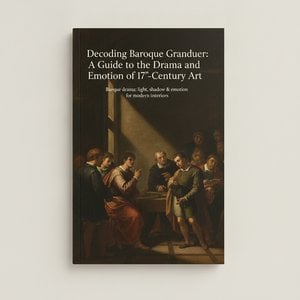
Decoding Baroque Grandeur: A Guide to the Drama and Emotion of 17th-Century Art
Explore the breathtaking drama of 17th-century Baroque art. Our expert guide decodes the use of chiaroscuro, emotional intensity, and historical grandeur to help you appreciate and curate timeless masterpieces for your collection.

Barokní mistrovská díla: 10 obrazů, které definovaly umělecký styl | ArtsDot.cz
Objevte 10 ikonických děl barokního umění – od Caravaggia po Rembrandta. Ponořte se do příběhů mistrů, technik a emocí tohoto velkolepého období. Reprodukce obrazů nejvyšší kvality na ArtsDot.com! Prozkoumejte celou kolekci online.

Umění 17. století: Top 10 děl a jejich příběhy | ArtsDot.cz
Prozkoumejte 10 ikonických děl umění 17. století – od Rembrandta po Vermeera! Objevte příběhy, techniky a barokní krásu těchto mistrovských kousků. Reprodukce obrazů nejvyšší kvality na ArtsDot.com.

Top 10 mistrovských děl holandského baroka – obrazy a umělci | ArtsDot.cz
Objevte 10 ikonických děl holandského baroka! Prozkoumejte příběhy Rembrandta, Vermeera a dalších mistrů. Repliky obrazů nejvyšší kvality pro váš interiér na ArtsDot.cz – inspirace a umělecké reprodukce online.

Rembrandt van Rijn: Top 25 mistrovských děl pro váš interiér | ArtsDot.cz
Prozkoumejte 25 nejlepších děl Rembrandta van Rijna – od portrétů po biblické scény. Objevte příběhy, techniky a inspiraci nizozemského baroka. Reprodukce obrazů pro váš interiér na ArtsDot.cz.
