Zobrazit v interiéru
 Odeslat
 Sdílet
 Podrobnosti
 Průvodce

 Stáhnout obrázek
 Podobné kousky
 Rentgenové snímky
 Slideshow
 Statistiky
Springime


 Přečíst si více
Ručně malovaná olejová reprodukce
Ručně malované olejné plátno v libovolném rozměru i s rámem, vyrobené našimi umělci na zakázku. ( Přepnout na tiskové verze Přepnout na digitální verzi obrazu)




P118B Kč10

P118H Kč10

P118W Kč10

P438Z Kč10

P508JH Kč12

P508YH Kč12

P805H Kč10

P805Z Kč10

P919BZ Kč10

P919G Kč10

P919XJ Kč10

P959ZH Kč10

P968JZ Kč12

W106C Kč8

W218G Kč10

W218JH Kč8

W218Y Kč10

W307PJ Kč10

W316G Kč10

W316PJ Kč8

W316Y Kč10

W398PJ Kč8

W4111J Kč10

W500HY Kč15

W500JH Kč15

W692G Kč12

W849H Kč8

W940BG Kč15

W953PJ Kč8




Vyberte si z našich přednastavených velikostí, které odpovídají původním proporcím díla.

Zadejte šířku a výšku, které potřebujete pro váš rám nebo stěnu. Protože se jedná o ruční malbu, při výběru jiného formátu může umělec kolem obrazu domalovat o něco více, nebo jej mírně oříznout — rozhodnete si vy. Před zahájením malby vám zašleme digitální náhled ke schválení. Obraz zobrazený na této stránce neodpovídá skutečnému výsledku — pouze digitální náhled jej zobrazuje.
Po přijetí objednávky vám tým ArtsDot.com zašle e-mail s pokyny a poskytne náhledovou verzi.
Celosvětová doprava () za 3–4 týdny namísto standardních 5 týdnů. (18 říjen). Bez kompromisů v kvalitě.

Zdarma celosvětová expresní doprava

Vysoce kvalitní lněné plátno

Úplné pojištění přepravy

Záruka vrácení celního poplatku

Záruka věrného barevného shodu

100dení lhůta pro vrácení zboží (pouze při vadách výroby)

100% garance vrácení peněz

Sleva při více objednávkách
 Skleněná varianta je dostupná pouze u rozměrů menších než 110 cm

Springime
Technika provedení
Velikost reprodukce
-


Celková cena
Kč 5576
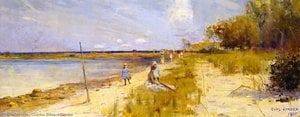
A Moment of Renewal: Introducing Charles Edward Conder’s “Springime”
Charles Edward Conder's "Springime," painted in 1892, isn’t merely a depiction of springtime; it’s an immersion into the very essence of renewal. This oil on canvas, currently residing within the hallowed halls of the Tate Gallery in London, captures a fleeting moment of vibrant beauty – a celebration of burgeoning life against a backdrop of warm, inviting hues. Conder, a pivotal figure in Australia's Heidelberg School movement, masterfully blends Impressionistic techniques with a distinctly Australian sensibility, creating an artwork that resonates with both tranquility and dynamic energy.
The painting immediately draws the eye to its foreground: a profusion of delicate pink blossoms clustered around a graceful tree. These aren’t simply flowers; they are symbols of rebirth, mirroring the season's promise of new beginnings. Behind this vibrant display, a smaller, more distant tree provides depth and scale, anchoring the scene within a broader landscape. The careful layering of colors – from the warm yellows dominating the sky to the subtle greens of the foliage – establishes a harmonious balance between light and shadow, creating an atmosphere that is both luminous and deeply felt.
The Heidelberg School: A New Vision of Australian Art
To fully appreciate “Springime,” it’s crucial to understand its context within the Heidelberg School. Emerging in late 19th-century Australia, this group of artists sought to capture the unique beauty and spirit of their homeland – a landscape vastly different from the European traditions dominating the art world at the time. Rejecting academic formality, they embraced *plein air* painting, working directly outdoors to observe and record nature’s nuances with immediacy and sensitivity. Conder, along with Tom Roberts and Frederick McCubbin, became central figures in this movement, developing a distinctive style characterized by loose brushstrokes, vibrant colors, and an emphasis on everyday Australian life.
Conder's work often reflected his own experiences – his early years in India, his move to Australia, and his travels throughout Europe. “Springime,” however, feels distinctly rooted in the Australian landscape, capturing not just a visual representation but also a feeling of optimism and connection to the natural world. The painting’s composition subtly evokes the vastness of the Australian outback, hinting at both its beauty and its inherent challenges.
Technique and Symbolism: A Dance of Light and Color
Conder's masterful use of color is a defining characteristic of “Springime.” He employs broken brushstrokes to create an impressionistic effect, allowing the colors to blend and shimmer in the viewer’s eye. The warm yellows and oranges of the sky are juxtaposed with the cooler greens and pinks of the foliage, creating a dynamic interplay of light and shadow. The artist's attention to detail is evident in the delicate rendering of the flowers and leaves, as well as the subtle variations in tone that suggest depth and texture.
Beyond its aesthetic qualities, “Springime” carries symbolic weight. The blossoming tree represents hope and regeneration, while the distant landscape suggests a connection to something larger than oneself. The painting’s overall mood is one of serenity and contemplation – an invitation to pause and appreciate the simple beauty of nature. It's a testament to Conder's ability to capture not just what he saw but also what he felt.
Bringing “Springime” Home: Reproductions and Artistic Inspiration
“Springime” is more than just a painting; it’s an experience. High-quality reproductions offer a remarkable way to bring this captivating artwork into your home or office, adding a touch of timeless beauty and tranquility to any space. Whether you're drawn to the painting's vibrant colors, its evocative symbolism, or simply its undeniable charm, “Springime” is sure to inspire and delight.
Otázky a odpovědi
Umožňuje autorské právo k dílu „Springime“ od Charles Edward Conder jeho reprodukce?
Dílo „Springime“ od Charles Edward Conder, které je součástí sbírky Tate Britain, spadá do patří do volného užití – autorská práva vypršela. Tento stav určuje, zda lze vytvářet reprodukce tohoto obrazu.
Do které místnosti by se vzhledem k barevné skladbě doporučovalo umělecké dílo „Springime“ od Charles Edward Conder?
Vzhledem k jeho Earthy barevnosti je dílo „Springime“ doporučeno do místnosti Living Room.
Patří dílo „Springime“ od Charles Edward Conder do volného užití, a proč?
Dílo „Springime“ od Charles Edward Conder spadá do patří do volného užití – autorská práva vypršela. Doba trvání autorského práva se počítá od úmrtí umělce, ke kterému došlo v roce 1909.
Související díla


Biografie umělce
Early Life and Artistic Journey
Charles Edward Conder (1868 – 1909) byl anglický malíř, grafický umělec a návrhář. Narodil se v Tottenhamu, Middlesex, druhým synem z šesti dětí, Jamese Condora, civilního inženýra a Mary Ann Ayresové. Jeho rané roky byly poznamenány smrtí matky v Indii krátce po narození, kdy byl jen čtyři letý. Umělecká cesta v Austrálii
V roce 1884 se přestěhovala do Sydney, Austrálie, kde pracovala pro svého příbuzného jako zeměměřičský technik pro Novou Gallii Britskou. Nicméně nezaujal ho tento druh práce a mnohem více si oblíbil kreslení krajiny než zeměřování. Už roku 1886 opustil zaměstnání a stal se umělcem pro „Illustrated Sydney News“, kde působil společně s dalšími významnými umělci jako Albert Henry Fullwood, Frank Mahony a Benjamin Edwin Minns. Studoval také na Akademii Julian v Paříži a byl součástí kruhu umělců včetně Henriho Toulouse-Lautrece.
The Heidelberg School and Notable Works
Conderův největší dílo, Odjezd Orientu – Kružnice Quay (1888), ukázalo jeho nové mistrovství ve formě a štětcem. Tato dokonalá výstava přístavu v Sydney Cove byla rychle prodána galerii Orientální v Sydney a Conder tak získal první své dílo, které vstoupilo do veřejné sbírky.
Výstavu „9 x 5 impresionistické výstavy“ v Melbourne společně s Tom Robertem a Arthurem Streetonem si Conder vybudoval pozici ve školském hnutí Heidelberg. Jeho práce byly prezentovány na mnoha výstavách, včetně samostatných výstav.
Legacy and Later Life
Conderovy pozdější roky byly poznamenány nemocí, včetně ochranného nervového systému a epizod děsivé třeskotavosti. Přesto pokračoval v malování a zanechal si dědictví klíčové osoby ve školském hnutí Heidelberg. Jeho dílo bylo lépe přijato v Anglii než ve Francii, kde byl jeho portrét namalován Henri de Toulouse-Lautrecem v roce 1892.

Charles Edward Conder
1868 - 1909 , Spojené království
Rychlé informace
- Artistic Movement Or Style: Heidelberg School
- Artists Who Influenced This Artist:
- Alfred Daplyn
- Victor Mann
- Julian Ashton
- Date Of Birth: October 24, 1868
- Date Of Death: February 9, 1909
- Full Name: Charles Edward Conder
- Nationality: British
- Notable Artworks:
- Departure of the Orient – Circular Quay
- A holiday at Mentone
- Under The Southern Sun
- Place Of Birth: Tottenham, United Kingdom
Související články

John Constable: 25 mistrovských děl krajinářské poezie | ArtsDot.com
Prozkoumejte 25 ikonických děl Johna Constabla, mistra anglického krajinářství a romantismu. Obdivujte jeho olejomalby, plátna s venkovskou atmosférou a inspirujte se pro dekoraci interiéru. Reprodukce obrazů nejvyšší kvality na ArtsDot.com

Romantická krajina v malbě: 10 mistrovských děl, které definovaly umělecký proud | ArtsDot
Prozkoumejte 10 ikonických děl romantické krajinářské malby! Objevte příběhy Caspara Davida Friedricha, Turnera a dalších mistrů. Reprodukce obrazů nejvyšší kvality pro váš interiér na ArtsDot.com.

Stephen Bone: A Reassessment of Colour, Form & the British Neo-Romantic Landscape Tradition
Explore the vibrant world of Stephen Bone (1904-1958), a key figure in British Neo-Romanticism. Discover his captivating landscapes, impactful war art & unique artistic style. Learn about his life, influences & legacy.

Edward Hopper: Top 25 děl mistra samoty a amerického realismu | ArtsDot.com
Prozkoumejte top 25 děl Edwarda Hoppera, mistra amerického realismu. Objevte příběhy za ikonickými obrazy plnými samoty a atmosféry. Reprodukce obrazů v nejvyšší kvalitě na ArtsDot.com.

Edward Wilkins Waite: A Victorian Vision of Surrey's Serene Landscapes & Artistic Legacy
Explore the serene landscapes of Edward Wilkins Waite (1854-1924), a prolific Victorian painter celebrated for his depictions of Surrey's countryside. Discover his artistic influences, career highlights & collecting guide.