


 Náhled
 Sdílet
 Sdílet
 Podrobnosti o díle

 Stáhnout
 Podobné položky
 Rentgenové snímky
 Slideshow
Man Pulling a Rope

 Zobrazit více
Ručně malovaná olejová reprodukce
Ručně malovaná olejná barva na plátně ve vašem zvoleném rozměru i s rámem, vyrobená našimi umělci na zakázku. ( Koupit tisk Koupit obrázek)




P118B $10

P118H $10

P118W $10

P438Z $10

P508JH $12

P508YH $12

P805H $10

P805Z $10

P919BZ $10

P919G $10

P919XJ $10

P959ZH $10

P968JZ $12

W106C $8

W218G $10

W218JH $8

W218Y $10

W307PJ $10

W316G $10

W316PJ $8

W316Y $10

W398PJ $8

W4111J $10

W500HY $15

W500JH $15

W692G $12

W849H $8

W940BG $15

W953PJ $8




Vyberte si z našich přednastavených velikostí, které odpovídají původním proporcím díla.

Můžete zadat vlastní rozměry pro konkrétní rám nebo prostor. Pokud se vámi vybraná velikost neshoduje s proporcemi původního obrazu, dílo buď ořízneme, nebo jej doplníme ručně malovanými prvky. Před zahájením výroby vám bude zaslán digitální náhled ke schválení.
Upozorňujeme, že náhled na obrazovce neodpovídá skutečnému ořezu ani rozšíření. Pouze digitální náhled přesně zobrazí finální kompozici.
Ačkoliv je možné zvolit vlastní velikost, pro zachování původních proporcí doporučujeme vybrat rozměr z předdefinovaného seznamu.
Po přijetí objednávky vám tým ArtsDot.com zašle e-mail s pokyny a poskytne náhledovou verzi.
Celosvětová doprava () za 3–4 týdny namísto standardních 5 týdnů. (19 srpen). Bez kompromisů v kvalitě.

Zdarma celosvětová expresní doprava

Vysoce kvalitní lněné plátno

Kompletní přepravní pojištění

Záruka vrácení celního poplatku

Záruka přesného barevného shodu

60denní lhůta pro vrácení zboží (pouze při vadách výroby)

100% garance vrácení peněz

Sleva při hromadné objednávce
 Skleněná varianta je dostupná pouze u rozměrů menších než 110 cm

Man Pulling a Rope
Technika reprodukce
Rozměry reprodukce
-


Celková cena za výběr
$ 263
Podobná umělecká díla


Biografie umělce
Early Life and Training
Charles André van Loo, born February 15, 1705, in Nice, France, was the youngest son of Louis-Abraham van Loo and Jean-Baptiste van Loo—a lineage steeped in artistic tradition. His father, a respected painter himself, instilled in him a profound appreciation for visual art from an early age, shaping his formative years within the vibrant cultural landscape of Savoyard Provence. Unlike many artists of his time, Van Loo’s upbringing wasn't solely focused on formal instruction; it encompassed exposure to diverse artistic practices and intellectual pursuits—a testament to the enlightened values of his family. Initial training commenced in Turin, where he studied under Benedetto Luti, a prominent sculptor known for his meticulous attention to detail and mastery of classical forms. This early immersion in sculpture undoubtedly honed Van Loo’s observational skills and fostered an understanding of spatial relationships – qualities that would prove invaluable throughout his artistic career. Subsequently, he traveled to Rome—the epicenter of Baroque art and intellectual ferment—where he pursued intensive studies under Pierre Legros, a celebrated teacher who championed the revival of classical ideals within painting. This formative period solidified Van Loo’s grounding in humanist principles and established him as a student deeply committed to artistic excellence. His Parisian education followed suit, enrolling at the Académie royale de peinture et de sculpture—the bastion of French artistic training—and swiftly gaining recognition for his exceptional talent. The Academy's rigorous curriculum demanded technical proficiency alongside intellectual engagement, fostering Van Loo’s ability to synthesize observation and conceptual understanding. Crucially, he secured first prize for drawing in 1723 and subsequently achieved the prestigious honor of winning first prize for historical painting in 1727—a decisive victory that catapulted him into the spotlight of Parisian artistic circles. This accomplishment underscored his dedication to mastering the foundational skills necessary for producing monumental works of art.Artistic Career and Notable Works
Charles André van Loo’s artistic style epitomized the elegance and grandeur characteristic of Rococo painting, a movement that flourished in France during Louis XV's reign. Unlike the solemn formality of Baroque art—which prioritized dramatic emotion and theatrical spectacle—Rococo embraced delicacy, grace, and ornamentation, reflecting aristocratic tastes for refined beauty and sensual pleasure. Van Loo skillfully navigated this stylistic milieu, producing canvases imbued with shimmering colors, intricate textures, and exquisitely rendered figures—a hallmark of his distinctive oeuvre. His subject matter spanned a remarkable breadth, encompassing portraits depicting royalty and nobility, mythological scenes celebrating heroic narratives, historical paintings commemorating significant events, allegories conveying moral lessons, and genre depictions capturing everyday life in aristocratic society. These diverse explorations demonstrated Van Loo’s versatility as an artist and underscored his ability to engage with complex themes—both intellectual and emotional—through the medium of painting. Among his most celebrated achievements were *Venus and Amor* (Kunsthalle Bremen)—a masterpiece showcasing Van Loo's mastery of Rococo technique and compositional balance—and *Halt of the Hunt* (The Metropolitan Museum of Art)—which captured the opulent atmosphere of aristocratic pursuits with breathtaking realism. His portrait of Marie Leszczynska, Queen of France, stands as a testament to his skill in conveying psychological nuance and capturing the regal dignity of his subject. Furthermore, *Jupiter and Antiope*, a monumental mythological tableau, exemplifies Van Loo’s ambition to tackle ambitious artistic challenges—a feat accomplished with remarkable precision and artistry. Notably, he produced multiple versions of *Perseus and Andromeda*, demonstrating his unwavering commitment to exploring classical mythology—a genre favored by artists throughout Europe during the Enlightenment. And *Mademoiselle Clairon as Medea*—a captivating Rococo portrait executed in 1760—captures a moment of dramatic intensity with exquisite detail and psychological insight. These works cemented Van Loo’s reputation as one of France's foremost painters, securing his place within the annals of art history.Patronage and Royal Recognition
Charles André van Loo enjoyed considerable patronage from influential figures within the French court—most notably Madame de Pompadour—who recognized his artistic talent and championed his endeavors. Her unwavering support ensured that Van Loo’s work received widespread acclaim and contributed to shaping the aesthetic sensibilities of Parisian society. Recognizing his exceptional contribution to the arts, Louis XV bestowed upon him the Order of Saint Michael—a prestigious honor signifying royal favor and acknowledging his distinguished service to the monarchy. This accolade underscored Van Loo's elevated status within the artistic community and solidified his legacy as a painter celebrated by the highest echelons of French power. ## Influences and Legacy Van Loo’s artistic development was profoundly shaped by his familial heritage—particularly by the influence of his father and brother, both accomplished painters who established standards for excellence and fostered a tradition of artistic innovation. He benefited from their guidance and mentorship, absorbing their techniques and stylistic sensibilities—a testament to the importance of familial support within artistic lineages. Despite facing competition with François Boucher—another prominent Rococo artist—Van Loo maintained his own distinctive voice—characterized by meticulous observation and unwavering adherence to classical principles. His work exerted a considerable impact on the burgeoning “modern French school,” establishing a stylistic idiom that prioritized clarity, elegance, and refined craftsmanship. Critics lauded Van Loo’s “simplicity of style and correctness of design”—a judgment that resonated throughout the artistic landscape of his time and continues to inspire admiration today. ## Museums Collections & Further Exploration His paintings are housed in prominent museums across Europe, including the Louvre (where *The Marriage of the Virgin* resides), Kunsthalle Bremen, and The Metropolitan Museum of Art—testaments to their enduring beauty and artistic significance. For more information about Charles André van Loo’s life and work, visit ArtsDot: https://www.ArtsDot.com/artists/charles-andre-van-loo/
Charles André van Loo
1705 - 1765 , Francie
Rychlé fakta
- Artistic Movement Or Style: Rokoko
- Artists Who Influenced This Artist:
- Benedetto Luti
- Pierre Le Gros
- Date Of Birth: 15. února 1705
- Full Name: Charles-André van Loo
- Nationality: Francouzský
- Notable Artworks:
- Venus a Amor
- Přistání lovců
- Portrét Marie Leszczynské
- Place Of Birth: Nice, Francie
Související články

Charles-André van Loo: A Study in Rococo Portraiture & the French Court's Artistic Dynamics
Explore the elegant world of Charles-André van Loo, a master of Rococo portraiture at the French court. Discover his life, techniques, and enduring influence on 18th-century art. Hand-painted reproductions available.
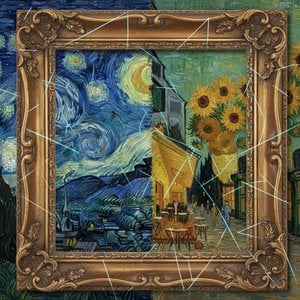
Vincent van Gogh: Top 25 mistrovských děl pro váš domov | ArtsDot.cz
Prozkoumejte 25 nejlepších děl Vincenta van Gogha! Obrazy Slunečnic, Hvězdné noci a další mistrovská díla impresionismu. Reprodukce obrazů pro váš domov s ArtsDot.cz – inspirace a umění na dosah.

Rembrandt van Rijn: Top 25 mistrovských děl pro váš interiér | ArtsDot.cz
Prozkoumejte 25 nejlepších děl Rembrandta van Rijna – od portrétů po biblické scény. Objevte příběhy, techniky a inspiraci nizozemského baroka. Reprodukce obrazů pro váš interiér na ArtsDot.cz.

The Rococo Aesthetic: Opulence, Rebellion & the Pursuit of Pleasure in 18th-Century Art
Explore the opulent world of Rococo art! Discover its origins, key artists like Watteau & Boucher, and lasting influence on design. Expert insights for collectors & enthusiasts.

Top 10 mistrovských děl rokokového umění | ArtsDot.cz
Prozkoumejte 10 ikonických děl rokokového umění – Fragonard, Boucher a další. Objevte příběhy mistrů, techniky a pastelové barvy tohoto elegantního stylu. Reprodukce obrazů nejvyšší kvality na ArtsDot.cz!



