


 Náhled
 Sdílet
 Sdílet
 Podrobnosti o díle

 Stáhnout
 Podobné položky
 Rentgenové snímky
 Slideshow
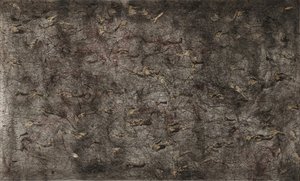
Personal Structures

 Zobrazit více
Giclée / Umělecký tisk
Giclée nebo plátěný tisk muzeální kvality s rychlou výrobou a flexibilními možnostmi povrchové úpravy. ( Koupit ručně malovaný obraz Koupit obrázek)




































Vyberte si z našich přednastavených velikostí, které odpovídají původním proporcím díla.

Můžete zadat vlastní rozměry tak, aby výtvor odpovídal konkrétnímu rámu nebo prostoru. Pokud zvolená velikost nebude odpovídat poměru stran původního obrazu, dílo buď ořížeme, nebo obraz rozšíříme pomocí zrcadlového efektu či jednobarevného okraje. Před zahájením výroby vám bude zaslán digitální náhled k schválení.
Mějte prosím na paměti, že náhled na obrazovce neodráží skutečné oříznutí nebo rozšíření. Pouze digitální náhled přesně zobrazí finální kompozici.
Ačkoliv jsou k dispozici i vlastní rozměry, pro zachování původních proporcí doporučujeme vybrat si rozměr z předdefinovaného seznamu.
Celosvětové doručení () do 2 týdnů namísto standardních 4/5 týdnů. (18 srpen)

Zdarma celosvětová expresní doprava

Vysoce kvalitní lněné plátno

Kompletní přepravní pojištění

Záruka vrácení celního poplatku

Záruka přesného barevného shodu

60denní lhůta pro vrácení zboží (pouze při vadách výroby)

100% garance vrácení peněz

Sleva při hromadné objednávce
 Skleněná varianta je dostupná pouze u rozměrů menších než 110 cm

Personal Structures
Giclée / Umělecký tisk
Rozměry reprodukce
-


Celková cena za výběr
$ 62
Podobná umělecká díla


Biografie umělce
Carl Andre: A Biography
- Born: Quincy, Massachusetts (1935)
- Died: January 24, 2024, New York City
- Nationality: American
Early Life and Education
- Carl Andre was born in Quincy, Massachusetts, on September 16, 1935. His father was a master designer of freshwater plumbing for ships.
- He attended the Quincy public school system and later Phillips Academy in Andover, Massachusetts (1951-1953).
- During his time at Phillips Academy, he formed a significant friendship with Hollis Frampton, who profoundly influenced Andre's artistic trajectory through discussions about art and introductions to other artists.
- Andre served in the U.S. Army in North Carolina from 1955 to 1956.
- He moved to New York City in 1956, where Frampton introduced him to Constantin Brâncuși and Frank Stella, leading to a shared studio space with Stella from 1958 to 1960.
Artistic Development and Minimalism
- Early Influences: Andre's early work in wood was initially inspired by Brâncuși. Conversations with Frank Stella regarding space and form shifted his artistic direction.
- "Cut" Sculptures: While sharing a studio with Stella, Andre developed a series of wooden "cut" sculptures like *Radial Arm Saw Cut Sculpture* (1959) and *Maple Spindle Exercise* (1959). Stella famously remarked that the removed pieces were also sculpture.
- Blue-Collar Experience: From 1960 to 1964, Andre worked as a freight brakeman and conductor for the Pennsylvania Railroad in New Jersey. This experience with manual labor and the ordered nature of rail work significantly influenced his later sculptures and personal style (often dressing in overalls).
- Poetry and Writing: A period between 1960 and 1965 saw Andre focus primarily on writing, culminating in *12 Dialogues* (published 1980), a collaborative book of poetry and essays with Hollis Frampton.
- Emergence as a Minimalist: In 1965, he had his first public exhibition at the Tibor de Nagy Gallery. Andre's work became associated with Minimalism, characterized by its emphasis on industrial materials, geometric forms, and spatial relationships. His controversial "Lever" was included in the seminal 1966 show *Primary Structures* at the Jewish Museum.
Major Works and Controversies
- Notable Sculptures: Andre is recognized for works like *144 Lead Square* (1969), *Twenty-Fifth Steel Cardinal* (1974), *Stone Field Sculpture* (1977, Hartford, CT), and *Lament for the Children* (1976, Long Island City, NY).
- "Bricks Controversy": In 1972, Britain's Tate Gallery acquired *Equivalent VIII*, an arrangement of firebricks. The piece gained notoriety in 1976 when it was defaced with blue food dye after being featured in the Sunday Times, sparking a major public debate about contemporary art and its accessibility.
- Representation: Andre was represented by Paula Cooper Gallery (New York), Konrad Fischer Galerie (Düsseldorf & Berlin), Sadie Coles HQ (London), and Yvon Lambert Gallery (Paris).
Personal Life and Legacy
- Relationship with Ana Mendieta: Andre met artist Ana Mendieta in 1979. They married in 1985, but their relationship ended tragically when Mendieta died after falling from the balcony of Andre's apartment in 1985.
- Legal Proceedings: Andre was charged with second-degree murder in connection with Mendieta’s death but was acquitted in a bench trial in 1988, a verdict that generated considerable controversy within the art world.
- Critical Reception: The evolution of critical understanding of Carl Andre's work is documented in *About Carl Andre: Critical Texts Since 1965*, which compiles essays and reviews by influential art historians and critics like Clement Greenberg, Donald Kuspit, Lucy R. Lippard, Robert C. Morgan, Barbara Rose, and Roberta Smith.
- Death: Carl Andre died on January 24, 2024, in New York City at the age of 88.

Carl Andre
1935 - , United States of America
Rychlé fakta
- Artistic Movement Or Style: Minimalism
- Artists Who Influenced This Artist:
- Constantin Brâncuși
- Frank Stella
- Date Of Birth: September 16, 1935
- Date Of Death: January 24, 2024
- Full Name: Carl Andre
- Nationality: American
- Notable Artworks:
- Stone Field Sculpture
- Lament for the Children
- 144 Magnesium Square
- Place Of Birth (City And Country): Quincy, United States
Související články

10 legendárních bronzových soch, které změnily umění | ArtsDot
Objevte 10 legendárních bronzových soch od Michelangela, Rodina a dalších mistrů! Ponořte se do historie umění, technik a příběhů za těmito nadčasovými díly. Najděte inspiraci pro váš interiér s ArtsDot.com – repliky nejvyšší kvality.

The Enduring Form: Exploring Themes & Techniques in Sculpture Across Historical Periods
Explore the rich history of sculpture from ancient masterpieces to contemporary innovations. Discover key techniques, influential artists & investment potential for discerning art collectors.

10 legendárních bronzových mistrovských děl, která změnila umění | ArtsDot
Objevte 10 legendárních bronzových mistrovských děl od Rodina, Donatella a dalších. Ponořte se do historie umění a nechte se inspirovat nadčasovými sochařskými replikami pro váš interiér. Prozkoumejte celou kolekci online na ArtsDot.com!

The Enduring Form: Sculpture Across History, Technique & Emotional Resonance
Explore the rich history of sculpture with ArtsDot. Discover key techniques, influential artists & investment potential for discerning collectors. Expert insights into valuing and collecting timeless masterpieces.

Trvalé dědictví bronzového sochařství: Historie, techniky a současné interpretace
Prozkoumejte historii a techniky bronzového sochařství. Průvodce pro sběratele, investory i milovníky umění. Objevte hodnotu a dědictví bronzu.

