

 Náhled v interiéru
 Sdílet
 Sdílet
 Podrobnosti o díle
 Průvodce

 Stáhnout
 Podobné položky
 Rentgenové snímky
 Slideshow
 Otázky a odpovědi
 Statistiky
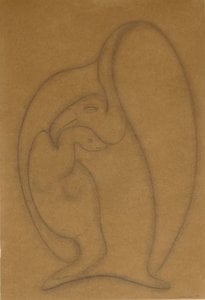
Tagh è Bostan

 Zobrazit více
Giclée / Umělecký tisk
Giclée nebo plátěný tisk muzeální kvality s rychlou výrobou a širokou nabídkou povrchových úprav. ( Koupit ručně malovaný obraz Přepnout na digitální obraz)




































Vyberte si z našich přednastavených velikostí, které odpovídají původním proporcím díla.

Zadejte šířku a výšku, které potřebujete pro váš rám nebo stěnu. Tisk lze pouze oříznout, nikdy však nelze zvětšit obraz nad jeho původní rozměr, proto při výběru jiného formátu dochází ke ztrátě části obrazu. Před samotným tiskem vám zašleme digitální náhled k schválení. Obraz zobrazený na této stránce nenabízí skutečný výřez — ten uvidíte pouze v náhledu.
Celosvětové doručení () do 2 týdnů namísto standardních 4/5 týdnů. (10 listopad)

Zdarma celosvětová expresní doprava

Vysoce kvalitní lněné plátno

Kompletní pojištění přepravy

Záruka vrácení celního poplatku

Záruka věrného barevného souladu

100dení lhůta pro vrácení zboží (pouze při vadách výroby)

100% záruka vrácení peněz

Sleva při více objednávkách
 Skleněná varianta je dostupná pouze u rozměrů menších než 110 cm

Tagh è Bostan
Giclée / Umělecký tisk
Rozměry reprodukce
-


Celková cena za vybrané možnosti reprodukcí
Kč 1375
Podobná díla




Biografie umělce
Jules-Georges Bondoux: A Pioneer of Persian Landscapes
Jules-Georges Bondoux (1866 – 1920) was a French painter whose career, though relatively brief, left an indelible mark on the world of Orientalist art. Primarily known for his meticulously detailed depictions of ancient Persia, particularly the ruins of Susa and the surrounding landscapes, Bondoux’s work offers a unique window into a bygone era – a time when European artists were captivated by the exotic allure of the East and eager to document its architectural wonders and evocative beauty.
Born in Paris, Bondoux's artistic journey began with studies at the École des Beaux-Arts. However, it was his travels to Persia during the late 19th century that truly ignited his passion and shaped his distinctive style. Unlike many of his contemporaries who focused on grand narratives or portraits of local dignitaries, Bondoux dedicated himself to capturing the subtle nuances of Persian life and landscape – the weathered stones of ancient cities, the vast expanse of arid plains, and the interplay of light and shadow across crumbling walls.
Early Influences and Artistic Development
Bondoux’s artistic development was undoubtedly influenced by the prevailing trends of his time. The late 19th century witnessed a surge in interest in Orientalism – a genre that romanticized and often exoticized depictions of the Middle East, North Africa, and Asia. Artists like Eugène Delacroix, with his vibrant scenes from the Orient, and Alexandre Cabanès, who specialized in Persian subjects, paved the way for Bondoux’s exploration of this rich visual tradition. However, Bondoux distinguished himself through a remarkable level of technical skill and an almost obsessive attention to detail.
His early works demonstrate a clear debt to academic painting – characterized by precise draftsmanship, careful observation, and a commitment to realistic representation. Yet, he quickly moved beyond mere imitation, developing his own unique approach that combined meticulous realism with a subtle sense of atmosphere and mood. He wasn’t simply documenting ruins; he was conveying the weight of history, the passage of time, and the enduring beauty of these ancient sites.
The Ruins of Susa: A Central Theme
The ruins of Susa (Shush) in modern-day Iran became the central focus of Bondoux’s artistic output. This ancient city, once a major capital of the Elamite and later Persian empires, offered an unparalleled opportunity to study the remnants of a glorious past. Bondoux spent considerable time at Susa, meticulously sketching and painting its crumbling walls, intricate carvings, and imposing gateways. His most celebrated works from this period include “Le Tell de Suse pendant les travaux” (The Tower of Susa during construction) and "Panorama des ruines de Suse (côté Sud)" (Panoramic View of the Ruins of Susa – Southern Side).
These paintings are not merely topographical studies; they are imbued with a profound sense of melancholy and reverence. Bondoux’s use of muted earth tones, subtle gradations of light and shadow, and carefully rendered textures creates an atmosphere of timelessness and quiet contemplation. He captured the essence of these ruins – their grandeur, their decay, and their silent testament to the rise and fall of civilizations.
Technique and Style
Bondoux’s technical mastery is evident in every brushstroke. His paintings are characterized by an extraordinary level of detail, achieved through countless hours of painstaking observation and execution. He employed a meticulous layering technique, building up his compositions gradually with thin glazes of oil paint – a method that allowed him to create subtle variations in color and tone.
His style can be described as a blend of Orientalism and academic realism. While he embraced the conventions of Orientalist painting – such as the use of dramatic lighting, exotic costumes, and evocative landscapes – he also demonstrated a remarkable sensitivity to the nuances of Persian culture and architecture. He avoided romanticizing or idealizing his subjects, instead presenting them with an honest and unvarnished portrayal.
Legacy and Historical Significance
Despite his relatively short career, Jules-Georges Bondoux made a significant contribution to the field of Orientalist art. His meticulous depictions of Susa and other Persian sites provided valuable insights into the architecture, culture, and history of ancient Persia. His work helped to popularize these ruins among European audiences and contributed to a growing appreciation for the artistic achievements of the Middle East.
Today, Bondoux’s paintings are exhibited in museums and private collections around the world. They stand as a testament to his technical skill, artistic vision, and enduring fascination with the mysteries of ancient Persia – a captivating reminder of a time when European artists sought to capture the beauty and grandeur of the East.

Bondoux Jules Georges
1866 - 1920
Rychlé informace o umělci
- Artistic Movement Or Style: Persian landscapes
- Artists Or Movements Influenced By This Artist:
- British Impressionism
- Symbolism
- Artists Who Influenced This Artist:
- George Clausen
- George Roux
- Date Of Birth: 1866
- Date Of Death: 1920
- Full Name: Jules-Georges Bondoux
- Nationality: French
- Notable Artworks:
- Le Tell de Suse pendant les travaux
- Panorama des ruines de Suse (côté Sud)
- Tagh è Bostan
- Place Of Birth: Paris, France
Související články

Léon Bonnat: Realism, Academic Mastery & the Depths of Portraiture
Explore the life & work of Léon Bonnat, a leading French Realist painter renowned for his masterful portraits and Spanish Baroque influence. Discover his academic legacy & pursuit of psychological depth in 19th-century art.

Louvre: Top 25 uměleckých děl | Reprodukce obrazů a inspirace pro interiér
Prozkoumejte 25 nejvýznamnějších uměleckých děl Louvre v Paříži! Obdivujte Monu Lisu, Michelangelova Davida a další klasiky renesance, impresionismu a baroka. Najděte inspiraci pro váš interiér a luxusní reprodukce obrazů na ArtsDot.com.