

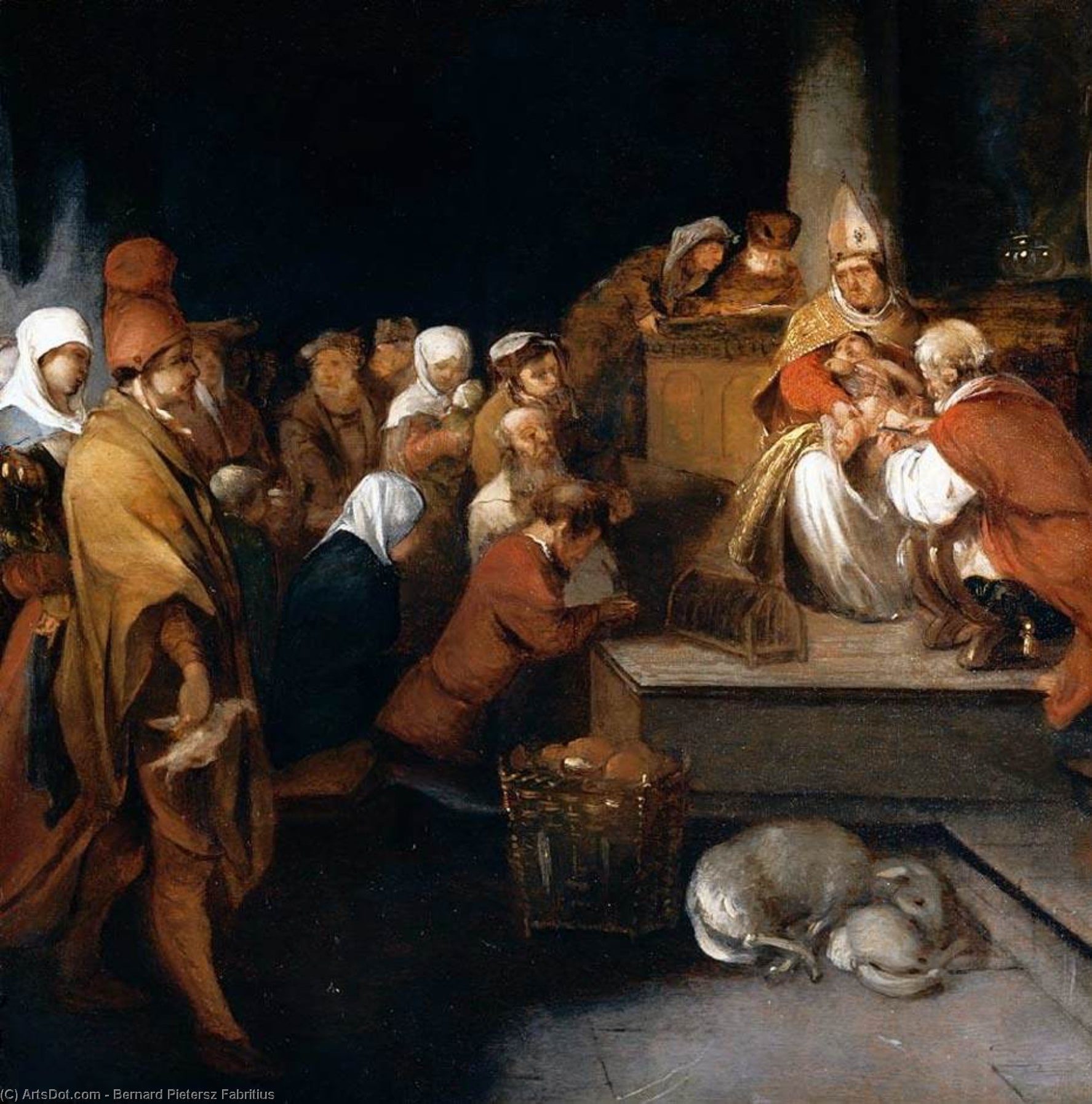
 Náhled v interiéru
 Sdílet
 Sdílet
 Podrobnosti o díle
 Průvodce

 Stáhnout
 Podobné položky
 Rentgenové snímky
 Slideshow
 Statistiky
Barent - the circumcision
 Zobrazit více
Ručně malovaná olejová reprodukce
Rukou malované olejné plátno v libovolném rozměru i s rámem, vyrobené našimi umělci na zakázku. ( Přepnout na tisk Přepnout na digitální obraz)




































Vyberte si z našich přednastavených velikostí, které odpovídají původním proporcím díla.

Zadejte šířku a výšku, které potřebujete pro váš rám nebo stěnu. Protože se jedná o ruční malbu, při výběru jiného formátu může umělec kolem obrazu domalovat o něco více, nebo jej mírně oříznout — rozhodnete si vy. Před zahájením malby vám zašleme digitální náhled ke schválení. Obraz zobrazený na této stránce neodpovídá skutečnému výsledku — pouze digitální náhled jej zobrazuje.
Po přijetí objednávky vám tým ArtsDot.com zašle e-mail s pokyny a poskytne náhledovou verzi.
Celosvětová doprava () za 3–4 týdny namísto standardních 5 týdnů. (27 říjen). Bez kompromisů v kvalitě.

Zdarma celosvětová expresní doprava

Vysoce kvalitní lněné plátno

Kompletní pojištění přepravy

Záruka vrácení celního poplatku

Záruka věrného barevného souladu

100dení lhůta pro vrácení zboží (pouze při vadách výroby)

100% záruka vrácení peněz

Sleva při více objednávkách
 Skleněná varianta je dostupná pouze u rozměrů menších než 110 cm

Barent - the circumcision
Technika reprodukce
Rozměry reprodukce
-


Celková cena za vybrané možnosti reprodukcí
Kč 5641
Podobná díla


Biografie umělce
The Enigmatic Master of Light: The Life and Legacy of Bernard Pietersz Fabritius
In the golden era of the Dutch Baroque, few names evoke as much quiet intrigue as Bernard Pietersz Fabritius. Born in Muiden in 1624, Fabritius emerged from the shadows of the Netherlands' rich artistic landscape to become a painter of profound psychological depth and technical brilliance. While his life was tragically truncated by illness in 1673, the impact of his brushwork remains etched in the annals of art history. His journey began under the tutelage of Hendrick Jacobsz van Dyck, where he absorbed the intricate stylistic precepts of Flemish Mannerism. This early training provided him with a robust foundation in portraiture and genre scenes, yet Fabritius would soon transcend mere imitation to develop a voice that was uniquely his own—one characterized by an almost unsettling realism and a masterful command over the interplay of light and shadow.
The artistry of Fabritius is defined by a singular ability to capture the ephemeral. He did not merely paint subjects; he breathed life into them through a meticulous attention to detail and a dedication to anatomical accuracy that mirrored the burgeoning scientific curiosity of his age. His canvases often serve as windows into the intimate, much more human moments of 17th-century life. Whether depicting the stark, visceral reality of daily existence in works like The Slaughtered Pig or portraying the quiet dignity of rural labor in Ruth and Boaz, Fabritius possessed a rare talent for finding the extraordinary within the ordinary. His use of chiaroscuro—the dramatic contrast between light and dark—was not merely a technical feat but an emotional tool used to guide the viewer's eye and evoke a sense of spiritual or psychological tension.
A Convergence of Science, Spirit, and Style
Fabritius’s creative evolution was deeply intertwined with the intellectual ferment of his time. Living and working during the flourishing of Leiden University, he found himself at the heart of a community where art and science began to dance in close proximity. His connections to luminaries such as Johannes Vermeer and Willem van der Helm suggest an artist who was deeply engaged with the innovations of his peers. This environment of intellectual curiosity likely encouraged his exploration of new perspectives and his pursuit of a more luminous, naturalistic aesthetic. This intersection of disciplines is perhaps most evident in his biblical compositions, where he utilized dramatic lighting to convey profound spiritual fervor, turning theological narratives into palpable, human experiences.
The breadth of his repertoire allowed him to navigate between the sacred and the secular with seamless grace. His achievements can be seen across a diverse spectrum of subject matter:
- Biblical Narratives: In masterpieces such as Abraham Dismissing Hagar and Ishmael, he utilized dramatic compositions to capture the weight of divine and human emotion.
- Genre Painting: He excelled in capturing the textures of everyday life, bringing a sense of tactile reality to scenes of domesticity and labor.
- Portraiture: His ability to imbue faces with psychological insight made him a sought-after chronicler of the human condition, most notably seen in the poignant Young Painter.
Ultimately, the historical significance of Bernard Pietersz Fabritius lies in his role as a bridge between the structured elegance of Mannerism and the profound realism of the Dutch Golden Age. He was an artist who understood that light does not just illuminate a scene; it defines its soul. Though his career ended far too soon, the enduring power of his works continues to captivate modern audiences, offering a hauntingly beautiful glimpse into a world where every shadow tells a story and every highlight holds a truth.

Bernard Pietersz Fabritius
1624 - 1673 , Netherlands
Rychlé informace o umělci
- Artistic Movement Or Style: Dutch Baroque
- Artists Who Influenced This Artist: ['Hendrick Jacobsz van Dyck']
- Full Name: Bernard Pietersz Fabritius
- Nationality: Dutch
- Notable Artworks:
- The Slaughtered Pig
- Ruth and Boaz
- Abraham Dismissing Hagar and Ishmael
- Self-Portrait as a Shepherd
- Place Of Birth: Muiden, Netherlands
- Date Of Birth: 1624
- Date Of Death: 1673