


 Sdílet
 Sdílet
 Podrobnosti o díle

 Stáhnout
 Podobné položky
 Slideshow
Saint Peter
 Marble
- Sculpture
- Renaissance
 1400
1400- Renaissance
 54.0 x 42.0 cm
 Castelvecchio Museum
 Zobrazit více
Giclée / Umělecký tisk
Giclée nebo plátěný tisk muzeální kvality s rychlou výrobou a flexibilními možnostmi povrchové úpravy. ( Koupit ručně malovaný obraz Koupit obrázek)




































Vyberte si z našich přednastavených velikostí, které odpovídají původním proporcím díla.

Můžete zadat vlastní rozměry tak, aby výtvor odpovídal konkrétnímu rámu nebo prostoru. Pokud zvolená velikost nebude odpovídat poměru stran původního obrazu, dílo buď ořížeme, nebo obraz rozšíříme pomocí zrcadlového efektu či jednobarevného okraje. Před zahájením výroby vám bude zaslán digitální náhled k schválení.
Mějte prosím na paměti, že náhled na obrazovce neodráží skutečné oříznutí nebo rozšíření. Pouze digitální náhled přesně zobrazí finální kompozici.
Ačkoliv jsou k dispozici i vlastní rozměry, pro zachování původních proporcí doporučujeme vybrat si rozměr z předdefinovaného seznamu.
Celosvětové doručení () do 2 týdnů namísto standardních 4/5 týdnů. (23 srpen)

Zdarma celosvětová expresní doprava

Vysoce kvalitní lněné plátno

Kompletní přepravní pojištění

Záruka vrácení celního poplatku

Záruka přesného barevného shodu

60denní lhůta pro vrácení zboží (pouze při vadách výroby)

100% garance vrácení peněz

Sleva při hromadné objednávce
 Skleněná varianta je dostupná pouze u rozměrů menších než 110 cm

Saint Peter
Giclée / Umělecký tisk
Rozměry reprodukce
-


Celková cena za výběr
$ 62
Popis sběratelského kousku
The Weight of Devotion: Encountering Saint Peter
In the quiet presence of Bartolomeo Giolfino’s Saint Peter, one is immediately struck by a sense of monumental permanence. This marble masterpiece, dating from approximately 1400, does not merely depict a figure; it embodies the very foundation of the Christian papacy. The sculpture presents Saint Peter as a papal prototype, captured with a compact and heavy mass that commands the space around it. There is a profound gravity to his seated posture, a physical weight that mirrors the spiritual responsibility of the first Pope. As your eyes trace the contours of the marble, you encounter a face weathered by wisdom, framed by a long, flowing white beard that cascades with a life of its own. The artist has masterfully balanced the stillness of the stone with the dynamic energy of late Gothic drapery, creating a tension between eternal stability and the fluid movement of fabric.
The artistry of Giolfino reveals a sophisticated dialogue between different sculptural traditions of the 15th century. While the figure possesses a certain ruggedness characteristic of the Veronese school, there is an unmistakable influence of contemporary Venetian models breathing through the work. This stylistic fusion allows the sculpture to transcend simple religious iconography, offering instead a study in texture and form. The meticulous carving of the Saint's robes—heavy, dense, and intricately folded—demonstrates a technical virtuosity that was meant to inspire awe in the viewer. For the collector or the lover of classical antiquities, this piece serves as a window into a period where sculpture was used to bridge the gap between the earthly realm and the divine.
A Legacy Carved in Stone
To understand the soul of this work, one must look to the lineage of its creator. Bartolomeo Giolfino was not merely an individual artist but a vital link in a dynasty of master stonemasons and engravers active in Verona. His work carries the DNA of a family tradition that would eventually produce painters of immense quality, such as Nicola Giolfino. This sense of heritage is palpable in the sculpture; it feels rooted in the very earth of Italy, possessing a structural integrity that suggests it was destined to endure for centuries. The use of marble allows for a play of light and shadow—a chiaroscuro effect in three dimensions—that brings a lifelike vitality to the Saint’s features, making him appear as though he might stir from his contemplative repose at any moment.
For those looking to integrate such profound historical beauty into a contemporary interior, this reproduction offers more than just decoration; it offers an anchor of cultural significance. Whether placed in a sunlit gallery or a sophisticated study, the presence of Saint Peter introduces a narrative of strength, leadership, and timelessness. The piece invites contemplation, encouraging anyone in its presence to pause and reflect on the enduring power of faith and the incredible skill of the Renaissance masters. It is an exquisite choice for designers seeking to infuse a space with a sense of history, dignity, and an unmistakable aura of classical elegance.
Podobná umělecká díla


Biografie umělce
Bartolomeo Giolfino: A Venetian Renaissance Sculptor and Painter
Bartolomeo Giolfino (c. 1410 – c. 1486) stands as a pivotal figure in the artistic landscape of Venice during the High Renaissance, recognized primarily for his monumental sculptures and his contribution to the vibrant religious art scene of his era. Though overshadowed by contemporaries like Titian and Tintoretto, Giolfino’s distinctive style—characterized by meticulous detail and an expressive handling of drapery—secured him a prominent place within the Venetian artistic tradition and cemented his legacy as one of the foremost sculptors of his time.- Early Life and Family Legacy: Giolfino’s origins lay in Verona, where he descended from a family renowned for its sculptural prowess. His father, Giovanni Giolfino, was a sculptor active in the cathedral of Verona, establishing a tradition that would continue through Bartolomeo's own artistic endeavors. This familial connection undoubtedly fostered an early exposure to artistic principles and techniques, shaping his formative years.
- Training and Artistic Influences: Giolfino’s training is largely undocumented, but scholars believe he honed his skills under the tutelage of Giovanni Battista Bisscarra, a sculptor known for his work on the Basilica Nuovo in Verona. His artistic sensibilities were profoundly influenced by Byzantine art—particularly the sculptural traditions of Constantinople—which permeated Venetian culture during Giolfino’s formative years. Furthermore, he absorbed stylistic elements from Florentine sculpture, notably Michelangelo Buonarroti, whose innovative approach to form and anatomy resonated deeply with Giolfino's own creative vision.
Sculptural Achievements: The Glory of Verona and Beyond
Giolfino’s sculptural output is concentrated primarily in Verona, where he created several impressive monuments celebrating saints and religious figures. His most celebrated work is undoubtedly the monumental statue of Saint Peter housed in the Cappella Colleoni Chapel—a masterpiece of Venetian Gothic sculpture that exemplifies Giolfino's mastery of drapery and anatomical precision. The chapel itself, designed by Giovanni Battista Falconetto, serves as a testament to Giolfino’s collaborative spirit with architects and fellow sculptors. Beyond Verona, he undertook commissions for churches in Brescia and Venice, demonstrating his versatility and adapting his style to diverse contexts.Painting: A Delicate Balance Between Byzantine Tradition and Venetian Innovation
While Giolfino is predominantly remembered as a sculptor, he also produced a notable body of paintings—primarily altarpieces—that reveal a sophisticated understanding of color theory and compositional principles. His frescoes in the Cappella Colleoni Chapel showcase his ability to integrate sculptural elements seamlessly into painted surfaces, creating immersive visual experiences that captivated audiences during his lifetime. Giolfino’s palette favored muted hues—particularly blues and golds—reflecting the influence of Byzantine iconography while simultaneously embracing Venetian artistic conventions. Notable paintings include “Saint Peter” and “Madonna col Bambino e santi,” which are currently housed in the Accademia Albertina and Museo di Castelvecchio respectively.Legacy and Historical Significance
Bartolomeo Giolfino’s contribution to Venetian art is undeniable. He represents a crucial link between Byzantine sculptural traditions and the burgeoning Renaissance style of Venice, embodying the artistic dynamism of his era. His sculptures—particularly Saint Peter—remain iconic symbols of Venetian Gothic art and continue to inspire admiration for their technical excellence and expressive power. Although Giolfino’s name may not be as widely recognized as some of his contemporaries, his enduring influence on Venetian sculpture ensures that his legacy will endure for generations to come.
bartolomeo giolfino
1410 - 1486 , Italy
Rychlé fakta
- Artistic Movement Or Style: Renaissance Art
- Artists Or Movements Influenced By This Artist: ['Lorenzo Lotto']
- Artists Who Influenced This Artist:
- Simone Martini
- Pietro Lorenzetti
- Date Of Birth: Verona, Italy (1410)
- Date Of Death: 1486
- Full Name: Bartolomeo Giolfino
- Nationality: Italian
- Notable Artworks: ['Saint Peter']
- Place Of Birth: Verona
Související články

Top 10 slavných obrazů vládnutých bílou barvou – Umění a inspirace pro interiér
Objevte top 10 slavných obrazů, kde bílá barva hraje klíčovou roli. Claude Monet, Van Gogh a další mistři! Inspirace pro váš interiér a reprodukce umění nejvyšší kvality na ArtsDot.com.
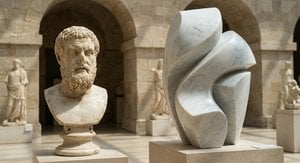
The Enduring Allure of Marble in Art History: From Classical Sculpture to Modern Abstraction
Explore the captivating history of marble sculpture from ancient Greece to modern art. Discover renowned artists like Canova & Michelangelo, carving techniques, and investment insights at ArtsDot.

10 legendárních bronzových soch, které změnily umění | ArtsDot
Objevte 10 legendárních bronzových soch od Michelangela, Rodina a dalších mistrů! Ponořte se do historie umění, technik a příběhů za těmito nadčasovými díly. Najděte inspiraci pro váš interiér s ArtsDot.com – repliky nejvyšší kvality.

The Enduring Form: Exploring Themes & Techniques in Sculpture Across Historical Periods
Explore the rich history of sculpture from ancient masterpieces to contemporary innovations. Discover key techniques, influential artists & investment potential for discerning art collectors.

10 legendárních bronzových mistrovských děl, která změnila umění | ArtsDot
Objevte 10 legendárních bronzových mistrovských děl od Rodina, Donatella a dalších. Ponořte se do historie umění a nechte se inspirovat nadčasovými sochařskými replikami pro váš interiér. Prozkoumejte celou kolekci online na ArtsDot.com!

